
 5 hours ago
11
5 hours ago
11
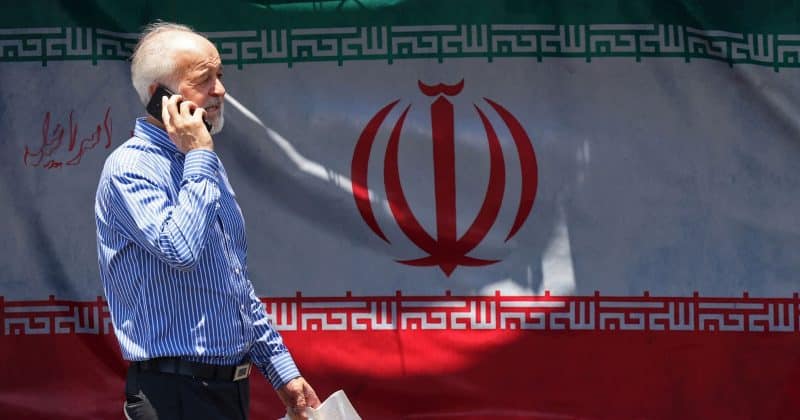
President Trump, Vice President JD Vance, and Iranian Parliament Speaker Mohammad Bagher Qalibaf signed a memorandum of understanding aimed at ending nearly four months of conflict between the US and Iran. The agreement, reached on June 15, 2026, addresses the two flashpoints that brought the nations to the brink: Iran’s nuclear ambitions and control of the Strait of Hormuz.
The core terms of the MOU hit on three immediate priorities. First, the Strait of Hormuz reopens to maritime traffic. Second, the US lifts its naval blockade on Iranian ports. Third, the existing ceasefire extends and now includes provisions covering hostilities involving Lebanon.
A formal signing ceremony is scheduled for June 19, 2026, in Switzerland, likely Geneva. After that, the clock starts ticking on 60 days of negotiations focused on Iran’s nuclear program and related disputes.
Iranian officials have been emphasizing the potential for sanctions relief and reconstruction funding. US officials, meanwhile, are stressing what they call a “performance-based approach” to compliance, meaning Iran doesn’t get financial relief until it demonstrates it’s holding up its end of the bargain. There are no immediate large-scale cash transfers baked into this agreement.
How we got here
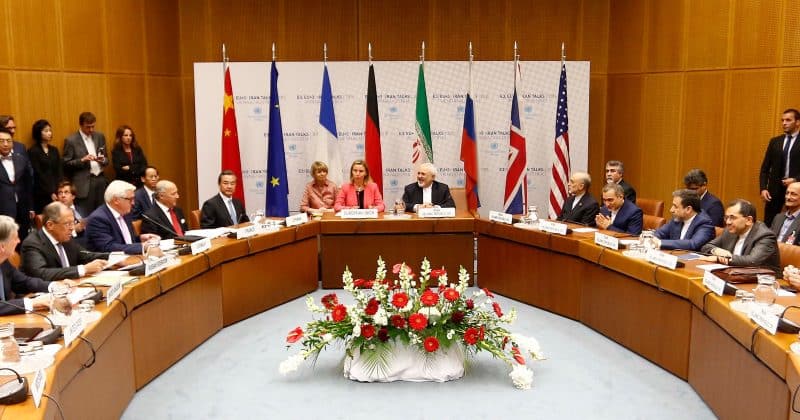
Tensions reached a peak in February 2026, marking a significant escalation in hostilities between the US, Israel, and Iran, alongside Iran’s proxies. Central to the conflict were concerns over Iran’s nuclear aspirations and its strategic hold over the Strait of Hormuz, through which roughly a fifth of the world’s oil supply passes on any given day. Previous rounds of indirect negotiations mediated by countries such as Pakistan and Qatar laid a fragile groundwork that the new MOU aims to solidify.
The choice of Qalibaf as Iran’s signatory is notable. As Speaker of Iran’s parliament, he holds significant political influence but is not the supreme leader or the president. Earlier tentative agreements discussed in May and June of 2026, particularly highlighted by interactions between Vice President Vance and Speaker Qalibaf, set the stage for this diplomatic development.
What this means for markets and investors
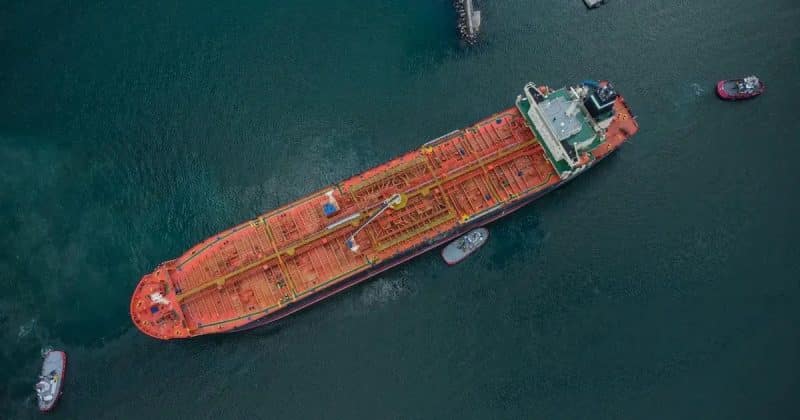
The reopening of the Strait of Hormuz is the single biggest immediate market variable here. Its reopening, combined with the lifting of the naval blockade, should ease pressure on oil prices that had been elevated throughout the conflict period.
Investors should also watch for how sanctions relief, if it materializes, interacts with the global oil supply picture. Iran returning to full production capacity would add meaningful supply to energy markets, which ripples through inflation expectations, central bank policy decisions, and ultimately the rate environment that drives asset valuations across every market.
The 60-day negotiation window that starts after June 19 is the real event to track. The MOU itself is a framework, not a resolution. Everything that matters, sanctions relief, nuclear compliance mechanisms, long-term security arrangements, still has to be negotiated under a tight deadline with two parties that are already publicly disagreeing about what they agreed to.
Disclosure: This article was edited by Editorial Team. For more information on how we create and review content, see our Editorial Policy.

 English (US) ·