
 1 hour ago
19
1 hour ago
19
President Trump just handed Ukraine something more valuable than missiles: the ability to build them. During the NATO summit in Ankara, Turkey on July 8, Trump announced that the US would grant Ukraine a license to manufacture Patriot missile interceptors domestically, making it only the third country ever authorized to produce the system.
“That’s pretty cool, right?” Trump said of the decision, adding that the license means Ukraine “can’t complain that we’re not giving ’em enough.”
What actually happened
The announcement represents a significant pivot in US defense export policy. Rather than shipping finished interceptors, Washington is now letting Kyiv set up its own production lines for PAC-3 interceptors. These are the missiles that actually knock incoming ballistic threats out of the sky.
The two companies at the center of this, Lockheed Martin and RTX Corporation (formerly Raytheon), haven’t been formally looped in yet. Trump indicated their involvement would come later in the process.
US Representative Mike Turner had been pushing for exactly this kind of production rights transfer since June 2026, and the announcement aligns with a broader strategy favoring technology transfer and co-production over direct arms shipments.
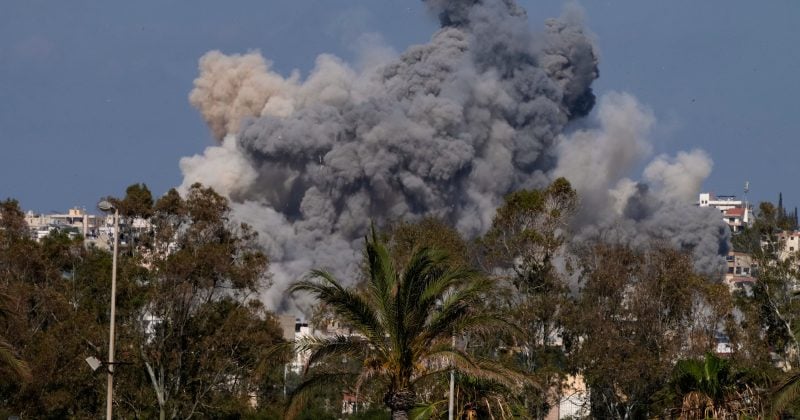
Defense analysts have been quick to point out that the technical complexities involved, combined with the need to build an entirely new supply chain inside a country actively being bombed, could push actual operational production out by several years.
The defense sector ripple effects
For investors watching Lockheed Martin and RTX, this is a story worth tracking closely. Both companies stand to benefit from what would essentially be a new licensing and technical support revenue stream. When the US licenses production abroad, the original manufacturers typically provide engineering support, quality assurance, and component supply, all billable.
Ukraine becoming the third country licensed to produce Patriots also sets a precedent. If this model works, other allied nations facing persistent missile threats could push for similar arrangements, transforming the business model for these defense contractors from pure manufacturing to something closer to a franchise operation, with recurring licensing and support revenue.
Why crypto and macro investors should care
The fact that Ukraine needs to build its own interceptor manufacturing capability tells you something about the expected duration of the conflict. This isn’t a short-term emergency measure. It’s infrastructure planning for a country that expects to be defending itself against ballistic missile attacks for the foreseeable future.
Defense exports have traditionally been a meaningful contributor to the US trade surplus in goods, and shifting to a licensing model changes the math on currency and trade flows.
Disclosure: This article was edited by Editorial Team. For more information on how we create and review content, see our Editorial Policy.





 English (US) ·