
 1 hour ago
14
1 hour ago
14
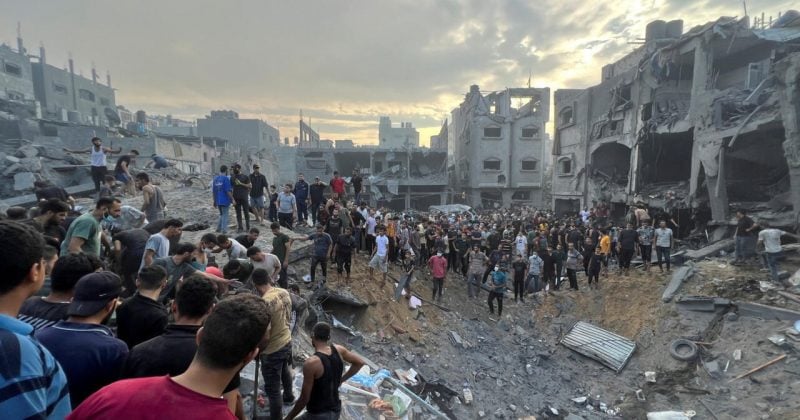
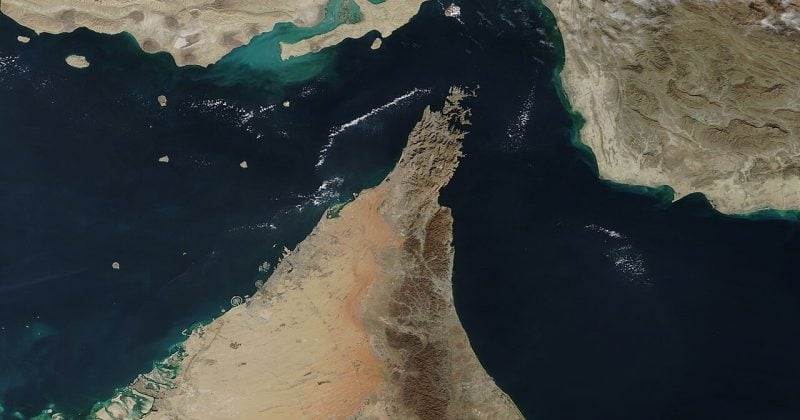
The resumption of military conflict between the U.S. and Iran in the Strait of Hormuz marks a significant escalation in the ongoing 2026 crisis. The conflict reignited following the collapse of the Islamabad Memorandum ceasefire, leading to U.S. Central Command launching retaliatory strikes on Iranian positions. Iran’s declaration of the strait’s closure has brought shipping activities to a standstill, affecting roughly 25% of global seaborne oil trade. These developments contribute to a global fuel crisis, with markets adjusting expectations in response to the heightened geopolitical tensions.
Key Takeaways
- Market activity suggests a decrease in expectations for Strait of Hormuz traffic normalization by July 7, consistent with continued disruptions.
- Pricing indicates that fewer than 150 ships transiting the Strait between July 6 and July 12 appears likely, reflecting current military escalations.
- The likelihood of traffic normalizing by July 15 has decreased, as evidenced by current market pricing against a quick resolution.
What to Watch
The situation’s evolution hinges on diplomatic and military actions from key actors such as the U.S., Iran, and international bodies. Observers should monitor any potential ceasefire negotiations or military escalations, which could significantly impact shipping traffic expectations. Further Iranian military actions or U.S. responses may indicate prolonged disruption, while diplomatic breakthroughs could change the trajectory toward traffic normalization.
Get live prediction-market analysis, powered by Vera. Sign up for Vera.
Disclosure: This article was edited by Estefano Gomez. For more information on how we create and review content, see our Editorial Policy.







 English (US) ·