
 1 hour ago
14
1 hour ago
14
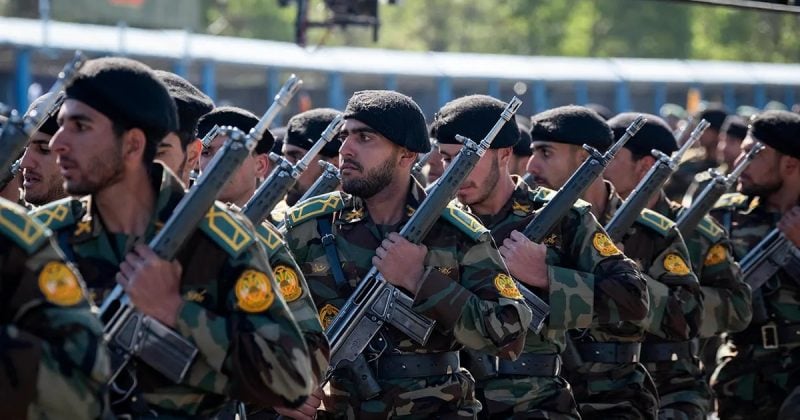
The United States military has confirmed the completion of its 13th consecutive night of strikes on Iran, according to Reuters. This sustained military operation is focused on degrading Iranian military infrastructure, including command centers and missile sites, amid ongoing tensions in the Strait of Hormuz. The strikes are part of a broader effort to counter perceived threats to maritime security and reflect a significant escalation in U.S.-Iran relations. The situation has also seen reciprocal strikes involving U.S.-allied targets in the region, suggesting a widening conflict.
Key Takeaways
- The ongoing U.S. strikes on Iran appear to be consistent with increased military tensions and a broadening conflict beyond Iran’s borders.
- Market pricing suggests a heightened likelihood of Iran implementing a full airspace closure, with a notable increase in probability over the past week.
- The escalation in military actions supports scenarios where Iran might take defensive measures, such as airspace closure, due to increased threats.
What to Watch
Observers should monitor any official statements from the Civil Aviation Organization of Iran regarding airspace status, as these could influence future market movements. Additionally, any de-escalation indications from the U.S., such as diplomatic efforts or a halt in military operations, could affect the likelihood of an airspace closure. Upcoming developments in the region, including military actions or diplomatic negotiations, will be key indicators for the market.
Get live prediction-market analysis, powered by Vera. Sign up for Vera.
Disclosure: This article was edited by Estefano Gomez. For more information on how we create and review content, see our Editorial Policy.






 English (US) ·