
 1 month ago
60
1 month ago
60
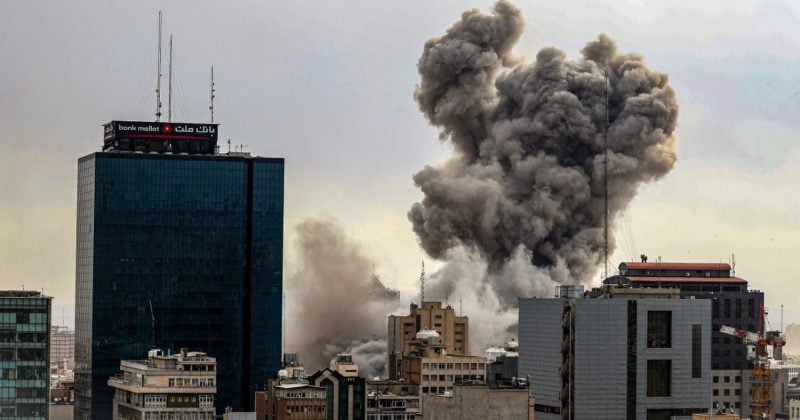
US Secretary of State Marco Rubio has proposed a ceasefire framework to both Lebanese President Joseph Aoun and Israeli Prime Minister Benjamin Netanyahu, calling for Hezbollah to halt all attacks on Israel in exchange for Israel refraining from military escalation in Beirut.
The proposal, confirmed by a US official on May 31, represents the latest chapter in a diplomatic push that began in April 2026.
The deal on the table
US-brokered talks kicked off in April 2026 and produced an initial 10-day truce. That truce was later extended by three weeks following direct negotiations held in Washington. Rubio’s latest calls to Aoun and Netanyahu suggest the administration is trying to build on that fragile momentum.
Why crypto traders care about Beirut
When ceasefire announcements first broke in mid-April 2026, Bitcoin rallied to approximately $74,650. Reduced geopolitical tension tends to boost risk appetite across all asset classes, and crypto sits firmly in the “risk-on” bucket for most institutional allocators.
Trading volume on Polymarket for contracts tied to Israel-Hezbollah ceasefire timelines surged past $1.2 million in a single day following those April announcements.
The darker crypto connection
Israeli authorities have seized approximately $1.7 million in digital assets linked to Hezbollah and Iran’s Quds Force, with the financing networks primarily running through Tether (USDT) on the Tron network.
Tron’s low transaction fees and high throughput make it the preferred rail for this kind of activity. For Tether specifically, every headline linking USDT to sanctioned groups adds another data point to the regulatory risk column. The company has cooperated with law enforcement in freezing wallets, but the persistent association with illicit finance remains a headwind for broader institutional adoption of stablecoins.
What this means for investors
Bitcoin’s April rally to $74,650 was partly built on ceasefire optimism. A collapse in negotiations could unwind some of that positioning, particularly if escalation in Beirut triggers broader regional instability.
Polymarket’s $1.2 million single-day volume on ceasefire contracts demonstrates genuine product-market fit for geopolitical betting.
Traders should watch for three signals in the coming days: whether Israel publicly endorses the framework, whether Hezbollah’s political wing issues any statement acknowledging the proposal, and whether Polymarket contract prices shift meaningfully in response.
Disclosure: This article was edited by Editorial Team. For more information on how we create and review content, see our Editorial Policy.






 English (US) ·