
 4 hours ago
22
4 hours ago
22
A bipartisan group of US senators has agreed on legislation that would hand President Trump sweeping new powers to punish countries that keep buying Russian and Iranian energy. The deal, which came together in mid-July, would authorize tariffs as high as 100% on the top five purchasers of Russian oil and gas.
What’s in the bill
The legislation builds on the Sanctioning Russia Act of 2025, which originally targeted entities like Rosneft and Lukoil involved in energy trade with sanctioned nations. The new version goes considerably further.
Under the proposed framework, the president could impose tariffs of up to 100% on the five largest national purchasers of Russian exports. For certain Russian goods or energy-related imports, duties could climb as high as 500%.
The bill also introduces enhanced penalties targeting Iranian energy exports, bundling two of Washington’s favorite sanctions targets into a single legislative package.
One specific focus is Russia’s so-called “shadow fleet,” a network of aging tankers used to circumvent existing sanctions by obscuring the origin and destination of oil shipments. The legislation aims to close those loopholes by giving enforcement agencies sharper tools to track and penalize these operations.
A procedural vote is scheduled for July 28, and the bill has reportedly built considerable momentum following the recent death of Senator Lindsey Graham, who initially championed the effort.
The crypto bill that got bumped
The push to advance this sanctions legislation before the summer recess has directly delayed progress on the Digital Asset Market Clarity Act. The Digital Asset Market Clarity Act was designed to provide regulatory frameworks including clear definitions of which tokens are securities, which are commodities, and who regulates what. That discussion has been put on hold so senators can focus on energy sanctions.
What this means for markets
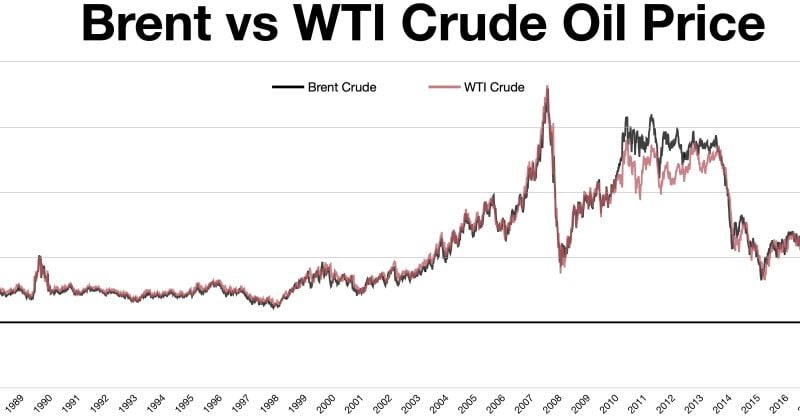
Tariffs of up to 100% on major Russian energy purchasers would create significant upward pressure on global oil prices. Countries like China and India, which have been importing Russian crude at a discount, would face a stark choice: find alternative suppliers at higher prices, or risk punitive US tariffs on their own exports.
The sanctions bill’s potential duties of up to 500% on certain Russian imports represent the most aggressive trade penalty framework proposed in recent memory. For investors across every asset class, the weeks surrounding the July 28 vote deserve close attention.
Disclosure: This article was edited by Editorial Team. For more information on how we create and review content, see our Editorial Policy.






 English (US) ·