
 43 minutes ago
8
43 minutes ago
8
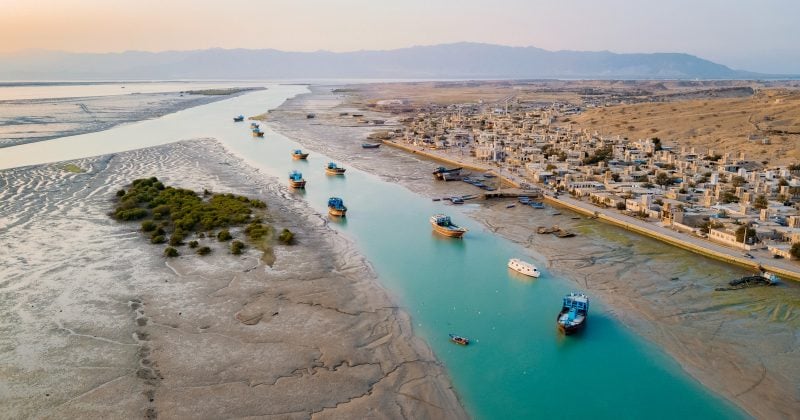
Kish Island sits at the edge of the Strait of Hormuz, which means it sits at the edge of everything: global oil flows, regional power dynamics, and, somewhat unexpectedly, Iran’s most ambitious digital finance experiment. On July 13, 2026, US strikes hit the island, with at least one projectile exploding near a water and electricity facility. The conflict that the ceasefire was supposed to end, apparently did not end.
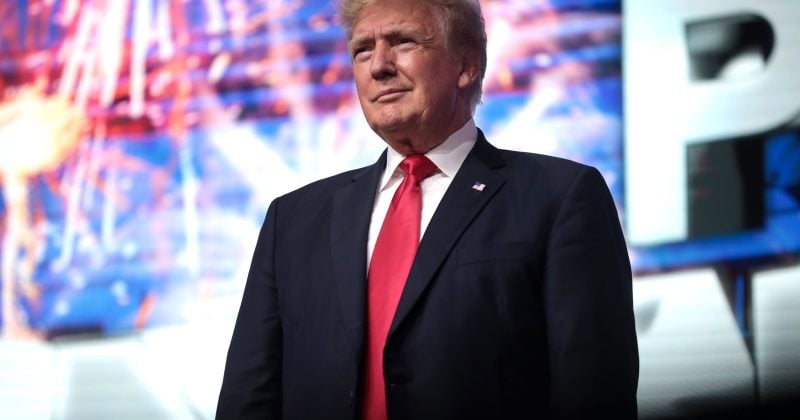
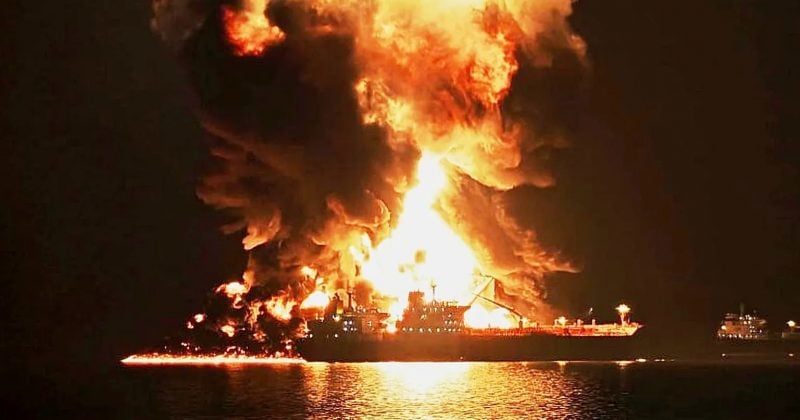
Iranian state media reported between two and six separate explosions. Social media footage showed fires at the island’s port area. US Central Command confirmed the strikes were ordered by President Trump and targeted military-related infrastructure on the island. Strikes continued into July 14.
Why Kish Island is more than a military target
Kish is a free-trade zone and resort island in the Persian Gulf, roughly 19 kilometers off Iran’s southern coast. Its location near the Strait of Hormuz gives it outsized strategic weight: roughly 20% of global oil shipments pass through that chokepoint.
But the island’s significance runs deeper than geography. Iran’s ICT Ministry floated plans in 2021 to transform Kish into a regional hub for cryptocurrency exchanges and mining operations. The pitch was straightforward: a relatively liberal economic zone with existing foreign-business infrastructure, positioned as a crypto-friendly destination to attract regional capital that might otherwise flow to Dubai or Istanbul.
Then in 2024, Iran’s Central Bank chose Kish as the pilot site for its retail digital rial, the country’s central bank digital currency. The CBDC rollout was designed to test digital transactions for both residents and the island’s substantial tourist population, a controlled environment before any broader national deployment.
Geopolitical risk lands on the balance sheet
The broader US-Iran conflict, reignited after the collapse of a ceasefire, has resumed strikes focused on military and energy targets across the region. Prediction markets shifted to reflect a higher probability of Iranian regime change before 2027 following the resumption of hostilities.
For crypto markets broadly, Iran occupies a complicated position. The country has used Bitcoin mining as a partial workaround for sanctions pressure, with the government at various points both licensing and cracking down on mining operations depending on domestic energy politics.
On the exchange hub ambitions, regional crypto capital that Iran was hoping to attract toward Kish will find the current news cycle an effective deterrent. The competing jurisdictions, including the UAE, Bahrain, and increasingly Saudi Arabia, have been aggressively building crypto regulatory frameworks precisely to capture the Gulf region’s digital asset flows.
Disclosure: This article was edited by Editorial Team. For more information on how we create and review content, see our Editorial Policy.



 English (US) ·