
 2 hours ago
8
2 hours ago
8
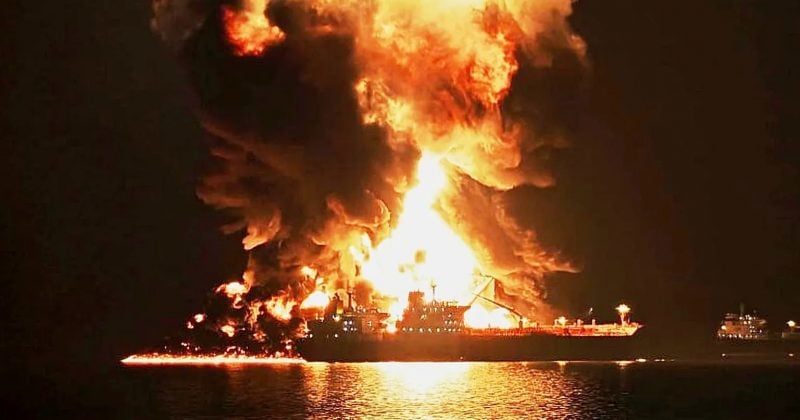
US Central Command launched strikes against military targets on Qeshm Island on July 12, 2026, with Iranian state media reporting that 10 to 11 projectiles hit the island. Qeshm sits just inside the Strait of Hormuz, the narrow waterway through which roughly 20% of the world’s daily oil supply passes.
The governor of Qeshm, Hossein Amir Teymouri, confirmed the strikes via Iranian state outlet IRNA, noting zero casualties. Additional explosions were reported near Bandar Abbas and Sirik during the same period.
What happened and why it matters
US Central Command framed the strikes as self-defense actions targeting Revolutionary Guard Corps installations. The military activity on and around Qeshm fits into a broader pattern of US-Iran exchanges that escalated throughout 2026, beginning in June and continuing into July.
For now, crypto markets have been largely unmoved. No significant price or volume movements in major crypto assets were linked to the IRNA announcement about the strikes. Bitcoin did not spike. Stablecoins did not see unusual flows.
Why crypto stayed calm, and what could change that
The more interesting indirect signal to watch is stablecoin demand. When geopolitical uncertainty rises in regions with limited access to traditional dollar banking, demand for dollar-denominated stablecoins tends to increase. If tensions in and around the Strait of Hormuz continue escalating, that dynamic could emerge as a measurable on-chain signal before it shows up in Bitcoin’s price.
Miners operating in regions with oil-linked electricity pricing are more exposed than those in markets powered by renewables or hydroelectric sources. A sustained conflict that meaningfully disrupts Hormuz throughput would not affect all miners equally, but it would affect the network’s overall cost structure.
Disclosure: This article was edited by Editorial Team. For more information on how we create and review content, see our Editorial Policy.






 English (US) ·