
 1 hour ago
25
1 hour ago
25
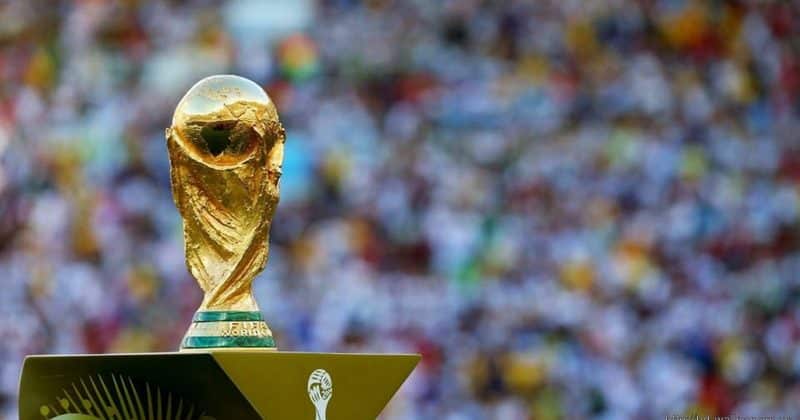
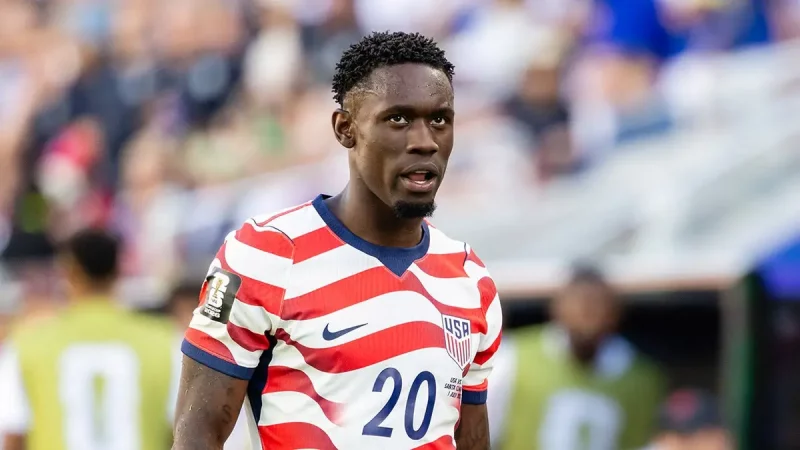
The US Men’s National Team’s 2026 World Cup dream ended exactly how nobody in American soccer wanted it to: early, emphatically, and at home. A 4-1 loss to Belgium in the Round of 16 on July 6 sent the so-called “golden generation” packing from their own tournament, and the fallout extends well beyond the pitch.
The US campaign started with genuine promise. A 4-1 demolition of Paraguay in the group stage had fans believing this squad, under coach Mauricio Pochettino, could make a deep run. They topped Group D. Then Belgium happened.
The 4-1 scoreline in Seattle marked the first time the USMNT exited a home World Cup in the knockout stage. Pochettino acknowledged the disappointment, recognizing that co-hosting the biggest sporting event on the planet and failing to advance past the first knockout round is, to put it mildly, not the outcome anyone planned for.
The crypto sponsorship gap
As of mid-2026, the USMNT had zero dedicated crypto sponsorships, zero fan token partnerships, and zero NFT deals. In a landscape where European and South American football clubs have been monetizing blockchain-based fan engagement for years, American soccer’s flagship program was sitting on the sidelines of an entire revenue category.
This void is particularly striking given that Chiliz, the blockchain company behind the Socios fan token platform, has committed up to $100 million for US soccer development and fan-token initiatives connected to the 2026 World Cup cycle. The infrastructure and capital were available. The USMNT just didn’t plug into it in any meaningful way before the tournament kicked off.
What this means for crypto and sports investors
For anyone watching the intersection of crypto and sports marketing, the USMNT situation is a case study in timing risk. The value of a sports crypto partnership is directly tied to how long a team stays relevant in a tournament. An early exit means fewer eyeballs, fewer engagement opportunities, and a shorter window to activate any digital fan experience.
That said, the absence of any crypto deals at all means there’s no immediate financial damage to absorb on the blockchain side. Nobody lost money on a USMNT fan token because no USMNT fan token existed. The loss is purely hypothetical revenue — the opportunity cost of inaction rather than the realized cost of a bad bet.
Chiliz’s $100 million commitment to US soccer development suggests the company sees long-term value in American football regardless of this tournament’s outcome. The 2026 World Cup was always going to be a catalyst moment for soccer’s growth in the US, and that growth trajectory doesn’t disappear because of one bad result against Belgium.
Disclosure: This article was edited by Editorial Team. For more information on how we create and review content, see our Editorial Policy.




 English (US) ·