
 1 month ago
119
1 month ago
119
TLDR
- The S&P 500 recorded 52 market breadth divergence days in 2026, matching the 2000 peak.
- A small group of AI-linked megacap stocks continues to support the broader index.
- The VIX stayed below 20, while single-stock volatility measured by VIXEQ rose above 50.
- Alphabet and Tesla earnings could test confidence in heavy corporate AI spending.
- Microsoft, Amazon, Apple, and Meta shares fell between 0.8% and 2.3%.
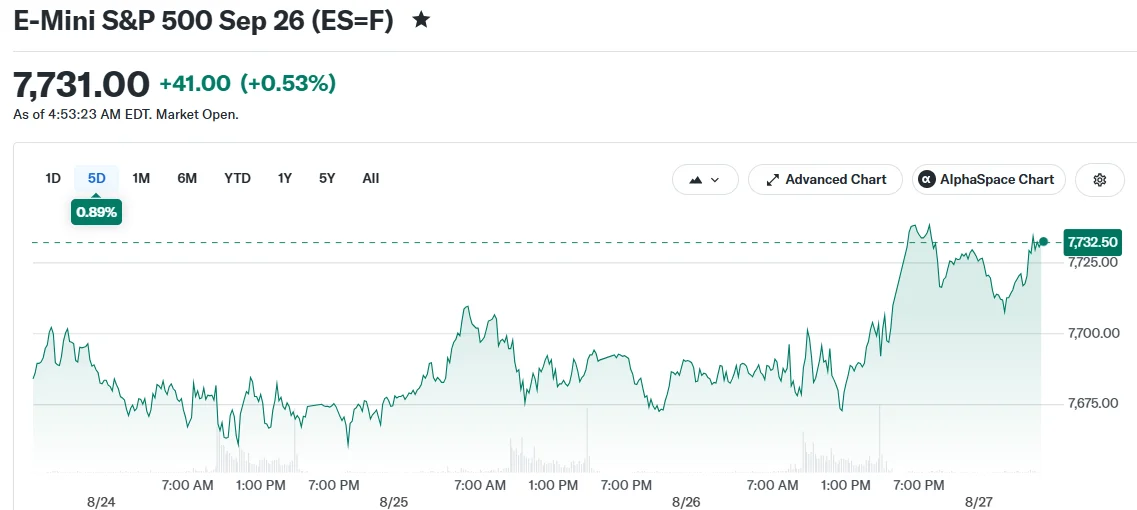
The S&P 500 moved higher on Wednesday, but fewer stocks supported the advance. BTIG said the index has diverged from market breadth on 52 trading days in 2026. That total matches the peak recorded in 2000, with more than five months left this year.
The narrow rise shows that a small group of AI-linked companies still carries the index. Many other stocks remain weak or trade without clear direction. This gap has increased concern about the strength of the wider US stock market. Advancing and declining shares stood evenly matched on the New York Stock Exchange.
AI Leaders Face a Tough Earnings Test
Investors turned their focus toward quarterly reports from Alphabet and Tesla after Wednesday’s closing bell. The results will test whether large AI spending plans can produce stronger sales and profits. Alphabet shares stayed flat before its report, while other megacap stocks moved lower.
Bret Kenwell of eToro said companies must prove they deserve premium valuations. “Good reports right now are not good enough. They need to be great,” he said.
The comment reflects doubts about whether current prices can hold without stronger earnings growth. Microsoft, Amazon, Apple, and Meta fell between 0.8% and 2.3%.
The VIX remained below 20, suggesting limited fear across the main indexes. However, the VIXEQ index, which tracks volatility in individual shares, rose above 50. The spread between the two measures reached a record level and showed heavy movement beneath calm index trading.
 US equity market breadth is flashing RED:
The S&P 500’s performance and its market breadth, meaning how many stocks are actually moving with the index, have diverged on 52 trading days so far this year, according to BTIG.
That already matches 2000 for the 3rd-highest number… pic.twitter.com/FbQeGpHWt1
— Global Markets Investor (@GlobalMktObserv) July 22, 2026
Technology shares also showed mixed performance. The Philadelphia Semiconductor Index gained 1.4%, but it had fallen in five of the previous ten sessions. Super Micro Computer jumped 23.8% after reporting more than $60 billion in new fourth-quarter orders. Dell rose 10%, while Hewlett Packard Enterprise gained 5.2%.
Geopolitical Risks Add Pressure
Oil prices climbed near six-week highs as conflict in the Middle East threatened key shipping routes. President Donald Trump said the United States would strike Iranian infrastructure after attacks on ships in the Strait of Hormuz. Higher oil prices may keep inflation concerns active.
The Federal Reserve is expected to hold rates steady through 2026, according to a Reuters poll. Traders placed a 72% chance on no rate change next week. Meanwhile, Nasdaq decliners exceeded advancers, while the index recorded more new lows than new highs. The S&P 500 gained 0.18%, while the Nasdaq slipped 0.03%. The Dow gained 0.37%, supported by AT&T and Philip Morris after both companies posted stronger quarterly results.
The post Warning Signs in US Stocks: Market Breadth Divergence Hits Alarming Levels Amid AI Concentration appeared first on Blockonomi.



 English (US) ·