
 1 hour ago
18
1 hour ago
18
Key Takeaways
- Wells Fargo reduced its S&P 500 year-end forecast from 7,950 down to 7,700, suggesting minimal upside potential of approximately 1%
- Analysts point to late-cycle market conditions that historically result in compressed valuations
- Technology sector downgraded to equal-weight due to concerns about AI infrastructure spending and regulatory pressures
- Healthcare sector elevated to overweight status as strategists favor defensive positioning
- Bank of America simultaneously increased its projection to 7,400 while cautioning about unfavorable seasonal trends
Wells Fargo has revised its S&P 500 year-end projection downward from 7,950 to 7,700, signaling diminished confidence in the equity market’s momentum. This revised forecast suggests limited upside potential of roughly 1% through the remainder of 2026.
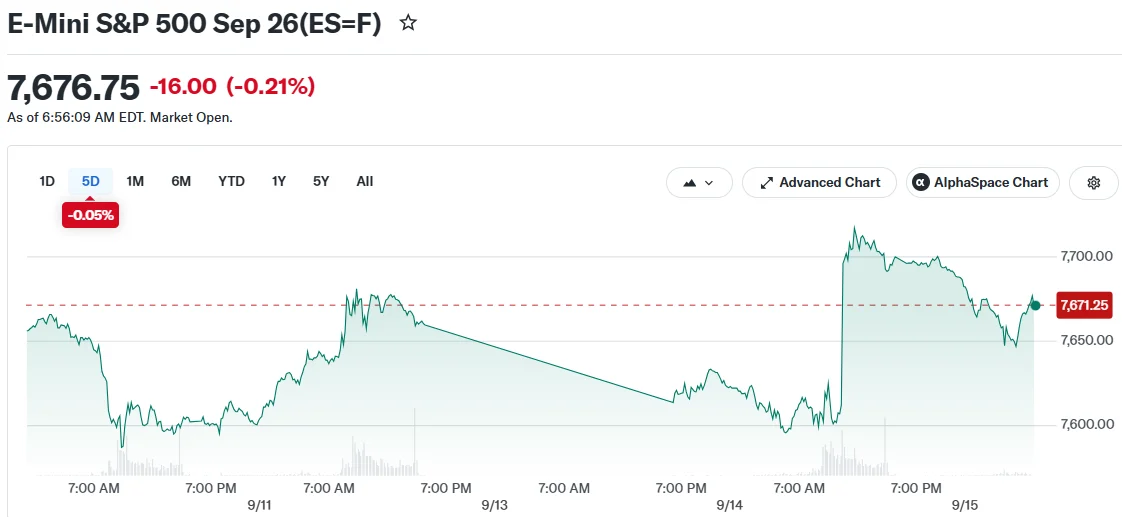 E-Mini S&P 500 Sep 26(ES=F)
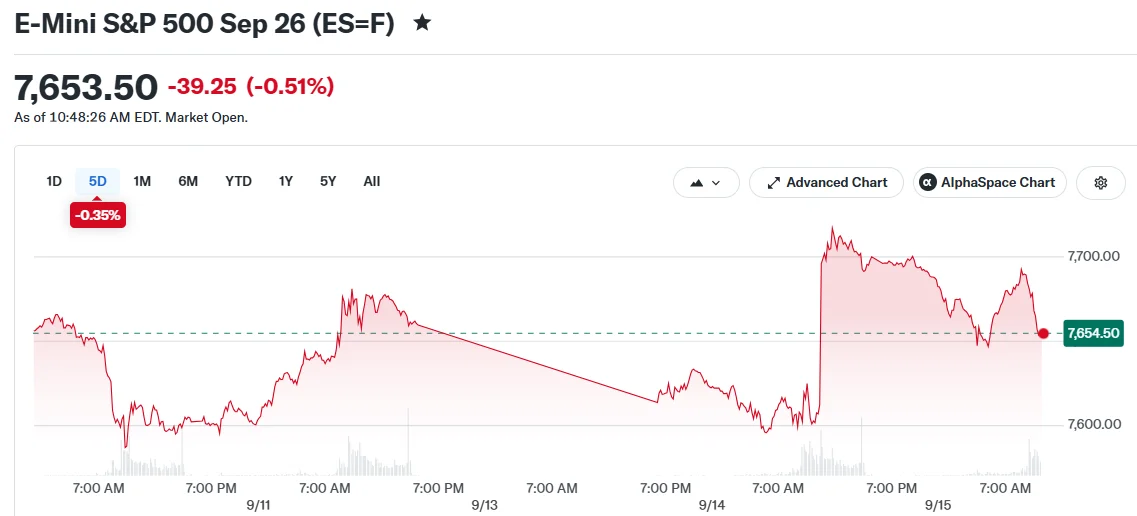
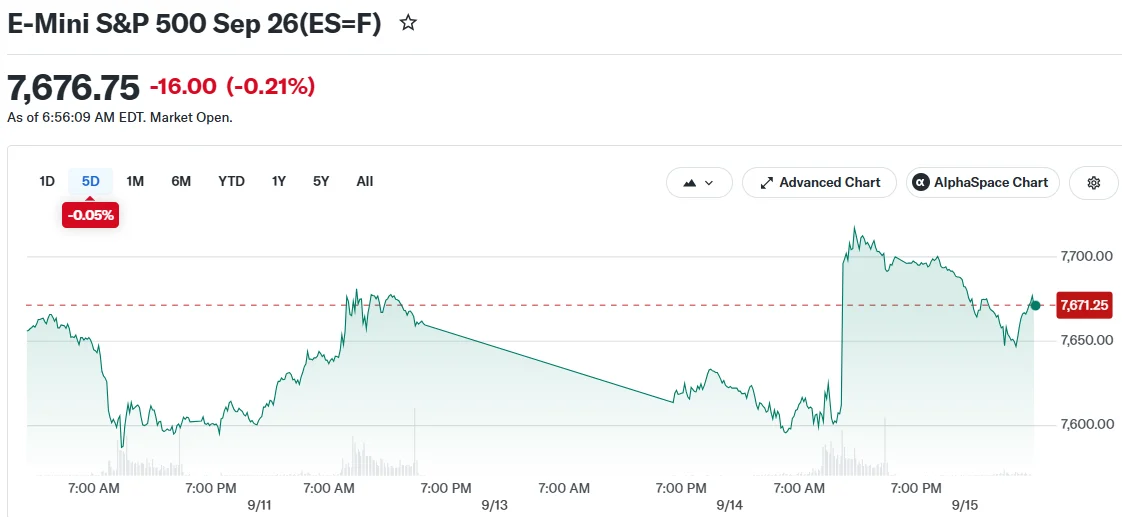
The strategic adjustment was announced by equity strategist Ohsung Kwon and his team on September 14. At Monday’s close, the S&P 500 stood near 7,620, reflecting year-to-date gains of 11%.
Valuation Compression in Final Cycle Phase
According to Wells Fargo’s assessment, equity markets are transitioning into the mature phase of the current expansion cycle. During such periods, historical patterns show that price-to-earnings ratios typically contract as investors become more cautious about paying premium valuations.
Despite the reduced index target, the firm actually increased its earnings expectations. Wells Fargo now projects S&P 500 earnings per share of $425 for 2027 and $460 for 2028.
However, strategists highlighted a significant risk factor. Current 2027 earnings estimates sit approximately 42% above the typical trendline for comparable cycle stages. This represents the widest deviation recorded since the 1950s.
The bank also expressed concern that any deceleration in artificial intelligence capital expenditures by major technology corporations could negatively impact 2028 profit projections. Last quarter’s impressive 50% year-over-year earnings growth for the S&P 500 is unlikely to be sustained, according to the firm’s analysis.
Sector Rotation: Technology Out, Healthcare In
Wells Fargo downgraded the technology sector from overweight to equal-weight positioning. This decision followed Monday’s widespread technology sector decline, which was precipitated by prominent AI executives advocating for voluntary development pauses on certain technological advancements.
The upcoming midterm elections represent another challenge for technology equities. Growing bipartisan resistance to expansive data center projects poses regulatory risks, with a potential Democratic majority potentially intensifying scrutiny. Despite these headwinds, tech stocks have appreciated 28% year-to-date.
Among technology subsectors, Wells Fargo expressed preference for software enterprises over semiconductor manufacturers.
Conversely, the healthcare sector received an upgrade from equal-weight to overweight. A Democratic electoral victory could lead to the restoration of expanded Affordable Care Act premium subsidies, creating tailwinds for healthcare providers and insurers. The sector has posted 9% gains this year.
In contrast, Bank of America adjusted its outlook in the opposite direction, elevating its year-end S&P 500 target from 7,100 to 7,400. Nevertheless, BofA strategists cautioned that markets are entering a historically challenging seasonal window and recommended defensive sector positioning.
Wells Fargo’s shares climbed 3% following the publication of its market outlook. TipRanks currently assigns the bank a Moderate Buy consensus rating, with analysts establishing an average 12-month price objective of $101.05.
The post Wells Fargo Slashes S&P 500 Forecast to 7,700 Amid Late-Cycle Concerns appeared first on Blockonomi.




 English (US) ·