
 8 months ago
131
8 months ago
131
- Strategy tokens convert NFT floor exposure into liquid ERC-20 assets with automated buy-sell-burn mechanics.
- PNKSTR, VIBESTR, and CHIMPSTR offer different types of NFT exposure with deflationary flywheel effects.
- The model is promising but still risky, requiring strong volume and careful treasury monitoring.
NFT Strategy tokens have quietly turned into one of the more surprising waves of late-cycle innovation in the NFT world. Instead of forcing people to buy a single expensive NFT, TokenStrategy.fun wraps entire collections into liquid ERC-20 tokens that anybody can trade. The system creates this strange but clever flywheel where trading fees build a treasury, the treasury buys floor NFTs, resells them for profit, and then burns supply. The whole loop keeps spinning as long as people keep trading, giving these tokens a weird mix of liquidity, floor exposure, and built-in deflation that standard NFTs don’t really offer.
Why NFT Strategy Tokens Exist
Traditional NFTs are powerful because each one is unique — but that uniqueness also makes them hard to trade. If you want a blue-chip like a CryptoPunk or even a new prestige PFP, you need tens or maybe hundreds of ETH… plus time… and hopefully a buyer someday. NFT Strategy tokens solve that by letting people buy fungible exposure instead. The token tracks floor movement through repeated buy-sell cycles, and it burns supply when profits come in, which adds pressure on price. It’s a way for smaller investors to tap premium NFT ecosystems without needing the upfront capital or the headache of selling a single NFT later.
How the Flywheel Mechanism Actually Works
The mechanics are simple on paper but surprisingly effective in practice. Whenever a strategy token is bought or sold, a fee (usually around 10%) gets skimmed. Most of that goes into an ETH treasury. When the treasury hits the floor price of the cheapest NFT in that collection, the smart contract just sweeps it. The NFT is relisted with a markup — roughly 20% above the entry price. If it sells, the ETH profit is used to buy back and burn tokens, shrinking supply. Sometimes a slice goes back to liquidity pools too. Newer strategy tokens even add optional royalties to the original NFT artists, which is an interesting twist in long-term alignment.
This loop keeps going: fee → treasury → floor buy → relist → profit → token burn. It connects NFT floors with ERC-20 liquidity in a way older collections never managed to.
PNKSTR, VIBESTR, and CHIMPSTR: The Leading Players
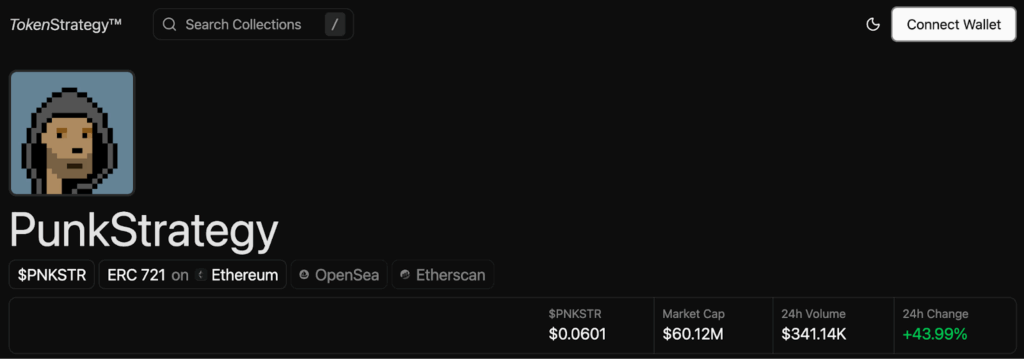
PNKSTR is the OG strategy token tied to CryptoPunks. Because Punks are basically NFT royalty, PNKSTR has stronger credibility in its buy-sell cycles. The brand recognition alone gives every floor sweep a sense of weight that newer collections don’t always carry. Investors get exposure to Punk floor movement with way less capital, and with liquidity that traditional NFTs simply can’t match.
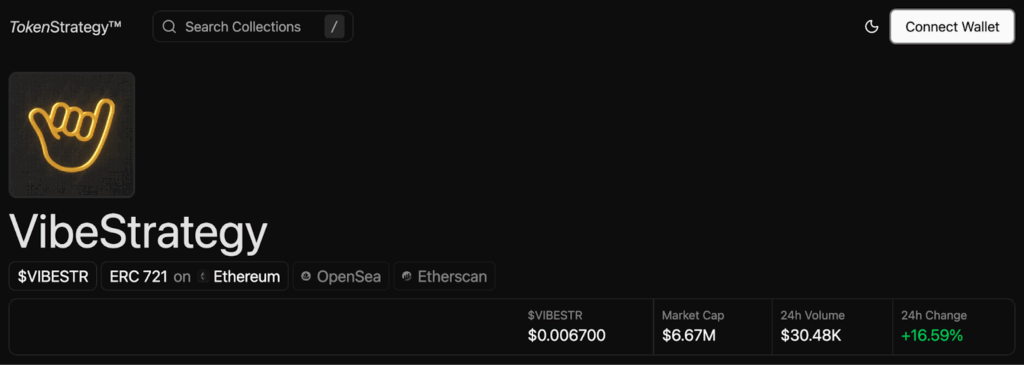
VIBESTR connects to Good Vibes Club, a 3D PFP collection built by Toast + SuperRare. It’s less about the old-school punk nostalgia and more about an art-forward design, storytelling, and fresh brand identity. The mechanics are the same, but the appeal is different: you’re betting on a new IP gaining traction, not just blue-chip stability.
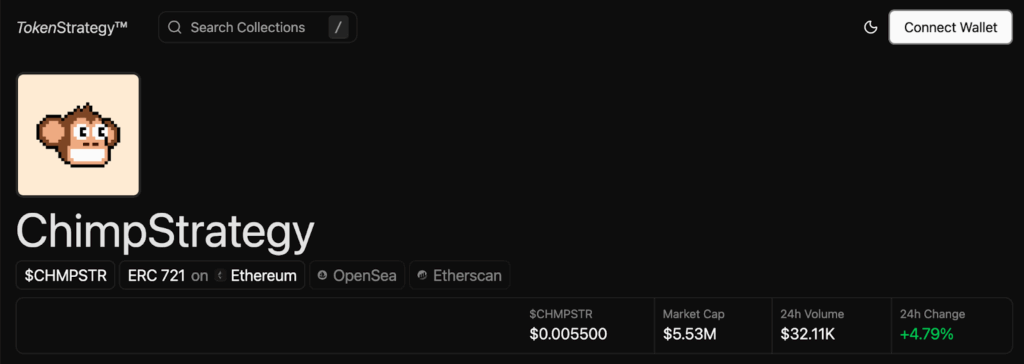
CHIMPSTR is tied to Chimpers, a project with strong community identity and potential expansion into media, games, or licensing. The strategy-token mechanics make it familiar, but the upside feels more tied to future IP growth than historical prestige.
Together, these three tokens represent different risk flavors: legacy blue-chip (PNKSTR), premium new art (VIBESTR), and IP-driven growth (CHIMPSTR).
What This Means for Investors
Strategy tokens offer a way to get diversified exposure to premium NFTs without spending 30, 40, 100 ETH on a single asset. They’re liquid, flexible, and easy to trade. The automatic floor-support mechanism can stabilize collections and keep value rotating back into holders. But all of this is still experimental. The model relies heavily on volume — without trading, the flywheel slows down. It’s high-risk, high-variance crypto engineering… the kind of thing that works beautifully when markets are active and can stall when sentiment dries up.
Final Thoughts
TokenStrategy.fun and the broader NFT Strategy model try to fix NFTs’ biggest flaw: illiquidity. By turning floor exposure into fungible, tradeable ERC-20 tokens and injecting automated buy/sell/burn mechanics, they create a new category of NFT-adjacent assets. PNKSTR delivers blue-chip Punk exposure, VIBESTR captures the vibe of a new creative IP, and CHIMPSTR mixes strategy mechanics with brand expansion potential. But as with any emerging system, caution makes sense — start small, diversify across collections, and watch how treasury health and floor dynamics evolve over time.
The post What is TokenStrategy.fun? Everything to Know About the Rise of “NFT Strategy” Tokens first appeared on BlockNews.






 English (US) ·