
 1 hour ago
18
1 hour ago
18
The White House labeled the Federal Reserve’s latest interest rate hike “quite regrettable,” a phrase that lands somewhere between diplomatic frustration and a barely concealed grimace. The Fed raised its benchmark rate by 25 basis points on September 16, pushing the target range to 3.75%-4%, and the administration is not pretending to be happy about it.
This is the first rate increase since July 2023, ending a three-year stretch of relative stability. The timing could hardly be worse for an administration heading into midterm season with borrowing costs climbing.
The Fed’s inflation problem won’t go away quietly
The decision was unanimous under Chair Kevin Warsh, who Trump himself appointed back in May. That detail makes this whole situation a bit awkward. Trump picked Warsh after criticizing his predecessor’s policies as inadequate, presumably expecting a more accommodative approach to rates.
Instead, Warsh is hiking. The reason is straightforward: inflation has exceeded the Fed’s 2% target for over five years running, and the forces pushing prices higher aren’t fading.
Oil price spikes tied to the US-Iran conflict have added fuel to an already overheated price environment. Ongoing tariffs continue to inflate costs across supply chains. And a surge in artificial intelligence investment, while broadly positive for productivity in the long run, has been injecting demand into an economy that was already running hot.
Analysts are predicting this won’t be a one-and-done move. Additional rate hikes before year-end are considered likely as long as inflation remains materially above target.
A White House caught between message and reality
President Trump has been vocal about wanting the “lowest interest rate in the world” to keep America’s economy competitive. That framing resonates politically, but it runs directly into the math of persistent inflation. You can’t have rock-bottom rates and stable prices when oil costs are surging and tariffs are raising input costs across the board.
White House officials have been careful to publicly respect the Fed’s independence, even while making their displeasure obvious. Calling a rate hike “quite regrettable” is the political equivalent of saying “I’m not angry, I’m disappointed.” It preserves the institutional boundary while leaving zero ambiguity about the administration’s preference.
But the Fed’s mandate doesn’t include electoral calendars. Warsh and the FOMC voted unanimously, signaling that internal consensus around fighting inflation is solid. There was no dissent for the White House to point to, no dovish minority to quietly cheer on.
What tighter money means for markets
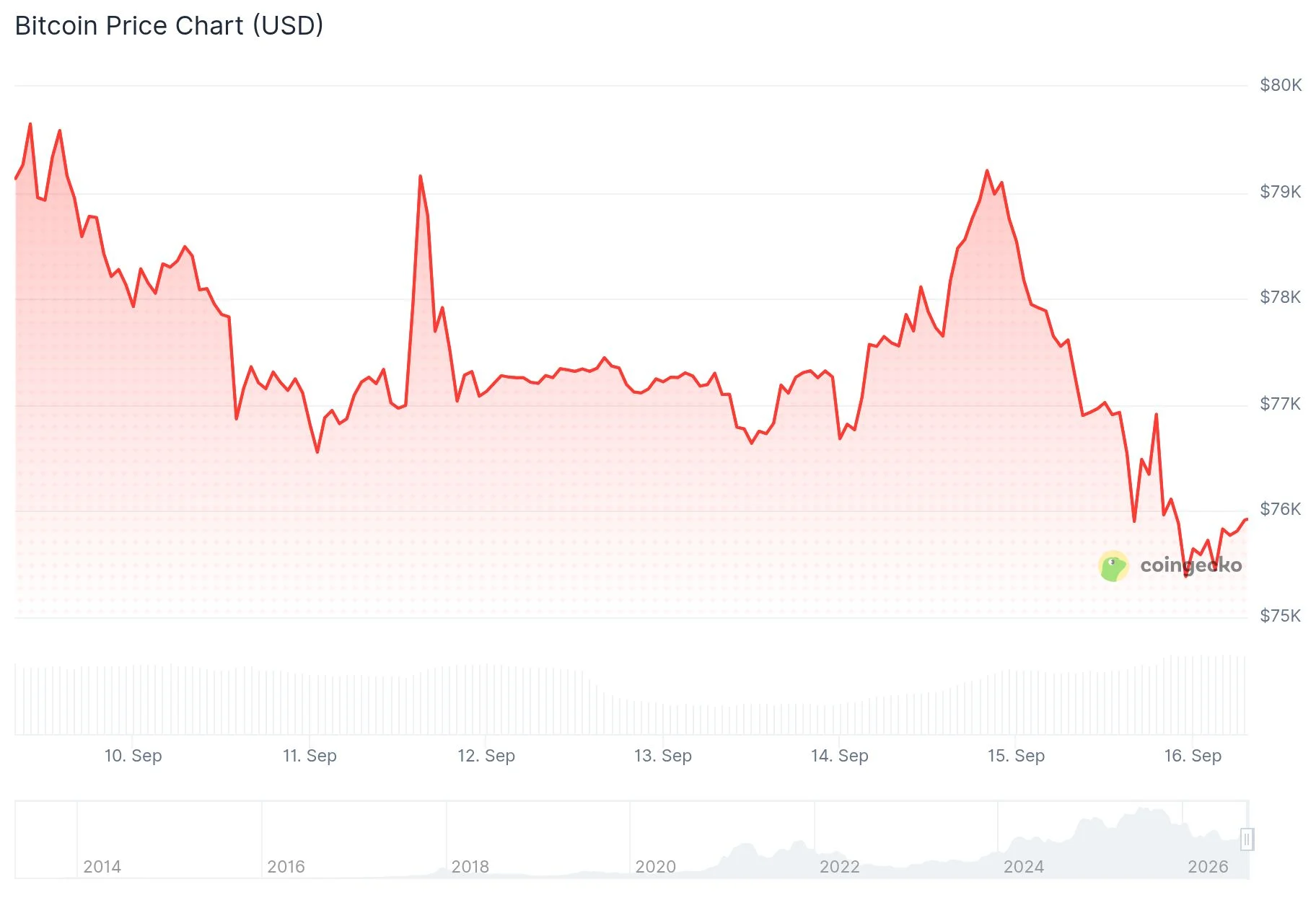
The last major tightening cycle in 2022-2023 coincided with significant drawdowns across digital assets, and while conditions today are different in important ways, the directional logic is similar. When safe yields go up, the hurdle rate for riskier bets goes up with them.
The Fed has given no indication that one adjustment will be sufficient, and forward guidance suggesting more tightening could keep markets on edge through the rest of the year.
Disclosure: This article was edited by Editorial Team. For more information on how we create and review content, see our Editorial Policy.





 English (US) ·