
 1 hour ago
9
1 hour ago
9
Wilson Isidor just scored one of the most talked-about goals of the 2026 FIFA World Cup. A long-range strike in the 43rd minute at Atlanta Stadium gave Haiti a lead against Morocco, and for a brief moment, it looked like one of the tournament’s biggest upsets was brewing.
Morocco ultimately won 4-2, booking their place in the knockout stage as the first African team to do so. But the viral moment belonged to Isidor and Haiti, who scored their first-ever World Cup goals in the process.
A historic match with zero crypto footprint
The match took place on June 24, 2026, in Atlanta, Georgia. Haiti’s Joseph added another goal alongside Isidor’s screamer, while Morocco’s comeback featured strikes from Achraf Hakimi and Ismael Saibari, among others.
No fan tokens tied to Haiti or Morocco gained traction. No blockchain-based ticketing platforms made headlines. No player NFT moments flooded social feeds.
The rise and quiet retreat of crypto in football
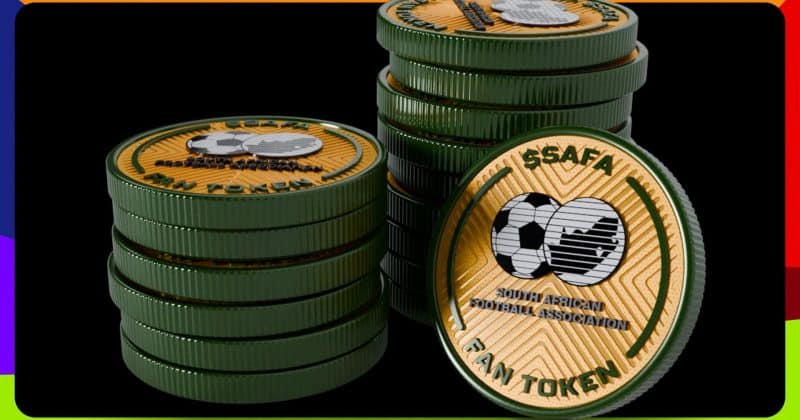
The crypto-football marriage peaked during the last bull cycle. Fan tokens, primarily issued through platforms like Socios and Chiliz, promised supporters governance rights and exclusive perks tied to their favorite clubs. Major teams from FC Barcelona to Paris Saint-Germain jumped in.
The 2022 World Cup in Qatar had Crypto.com as an official sponsor. That deal was struck when the exchange was spending aggressively on brand awareness, including its reported naming rights deal for the former Staples Center in Los Angeles.
What this means for the sports-crypto intersection
Platforms like NBA Top Shot normalized the concept of digital collectible moments in basketball, and football was supposed to be next. That vision hasn’t materialized at scale.
For investors watching the sports-crypto space, the Chiliz ecosystem remains the most direct play. CHZ, the token powering the Socios fan token platform, still underpins dozens of club partnerships. But trading volumes for individual fan tokens have thinned dramatically from their peaks.
FIFA itself explored blockchain-based platforms during the 2022 cycle, and the organizational infrastructure for tokenized fan engagement hasn’t disappeared. But right now, the World Cup’s most electric moments are living on traditional social media, not on-chain.
Disclosure: This article was edited by Editorial Team. For more information on how we create and review content, see our Editorial Policy.

 English (US) ·