
 4 hours ago
15
4 hours ago
15
Spain and Portugal will meet in the World Cup round of 16 on July 6, 2026, at Dallas Stadium.
Dani Olmo, the Spanish midfielder who helped his country win the European Championship, expressed confidence ahead of the clash. He acknowledged the midfield battle will be fierce, with Spain’s trio of Olmo, Rodri, and Pedri lining up against Portugal’s Vitinha, João Neves, and Bruno Fernandes.
The match everyone wants to watch
Spain are expected to deploy a 4-2-3-1 formation that leans heavily on midfield control.
Cristiano Ronaldo, who at this point in his career is chasing what might be his last realistic shot at a World Cup title, adds a narrative layer that transcends the sport itself.
Spain enter as defending European champions. Portugal, meanwhile, have consistently underperformed at World Cups relative to their talent pool.
Where crypto fits (and where it doesn’t)
For this particular fixture, the most tangible blockchain tie is the existence of official Panini LaLiga Select NFTs, which feature players like Olmo as digital trading cards.
There are no match-specific token launches, no fan token pumps tied to either national team’s World Cup run, and no major crypto exchange sponsorship deals directly linked to this game.
The sports NFT market has cooled considerably since its 2021-2022 peak, when NBA Top Shot moments were selling for six figures and every league rushed to mint digital collectibles.
Fan tokens haven’t gained meaningful traction for this particular matchup. Neither Spain nor Portugal appears to have active crypto partnerships generating buzz around the tournament.
What this means for crypto investors
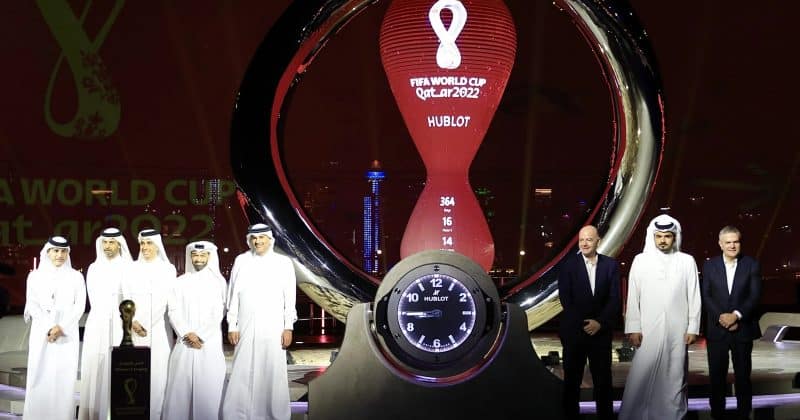
Major sporting events have historically served as catalysts for crypto adoption through sponsorship deals and fan engagement platforms. The 2022 World Cup in Qatar featured prominent crypto exchange branding.
Post-FTX, sports sponsorships carry reputational risk for both sides. Leagues and federations are more cautious about who they partner with, and crypto companies are more selective about where they spend marketing dollars.
Panini’s blockchain integration shows that established brands see long-term utility in the technology, even if speculative interest has waned.
Disclosure: This article was edited by Editorial Team. For more information on how we create and review content, see our Editorial Policy.





 English (US) ·