
 1 month ago
61
1 month ago
61
- XRP has fallen roughly 70% from last year’s peak, but growing adoption could support a long-term recovery.
- Ripple continues expanding into tokenization, payments, and blockchain infrastructure, creating new use cases for XRP.
- While some analysts predict double-digit prices, a more measured outlook points to a return toward previous highs if adoption continues.
XRP sentiment is about as low as it has been in quite some time. After losing roughly 70% from last year’s highs, the world’s sixth-largest cryptocurrency is now hovering near the $1 mark, leaving many investors wondering whether the best days are already behind it.
Yet despite the gloomy mood surrounding the market, Ripple continues to build. And for long-term investors, that may ultimately matter more than today’s price chart.
The company behind XRP has spent years expanding its business beyond simple cross-border payments, positioning itself as a broader blockchain infrastructure provider. If those efforts continue gaining traction, XRP could eventually benefit alongside the growing ecosystem.
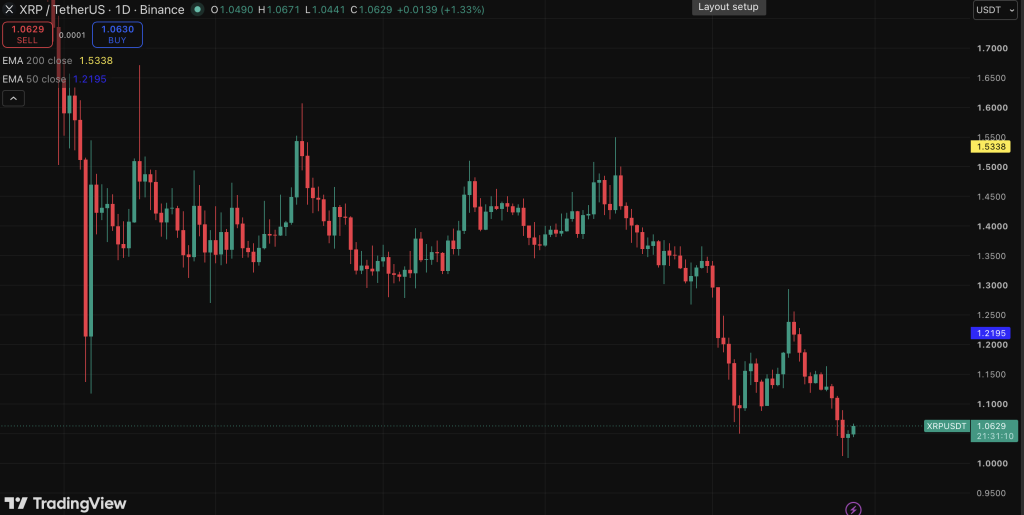
Ripple Keeps Expanding XRP’s Real-World Utility
One of the biggest arguments supporting XRP’s long-term outlook is the steady expansion of Ripple’s business.
Originally known for helping financial institutions move money across borders faster and more efficiently, Ripple has gradually pushed into several other areas of blockchain finance. Today, the company is increasingly involved in tokenizing real-world assets, a sector many analysts believe could become one of crypto’s largest growth markets over the next decade.
Traditional financial firms are also becoming more comfortable with blockchain technology as settlement speeds improve and operating costs decline. That trend has allowed Ripple to establish relationships with major financial institutions while building a business reportedly valued at around $50 billion.
To strengthen its position, Ripple has invested billions of dollars into blockchain and crypto-related acquisitions and partnerships. The goal is simple: create more services that increase activity across the XRP ecosystem and generate additional demand for the network over time.
Artificial intelligence could eventually become another growth driver as well. Some industry observers believe AI agents may increasingly rely on blockchain networks to make automated payments, and XRP Ledger has occasionally been mentioned as one possible settlement layer for those transactions. While that opportunity remains speculative today, it illustrates how Ripple continues exploring new applications beyond its original payment focus.
How High Could XRP Climb?
Price forecasts for XRP remain all over the map.
A more conservative outlook suggests XRP could eventually revisit the $4 level, a price it briefly approached during previous rallies. Reaching that area would already represent a significant recovery from current levels.
Some analysts, however, have issued far more aggressive targets. Forecasts ranging from $20 to $30 occasionally appear across the crypto market, while the most optimistic predictions even speculate about a future move toward $100.
Those numbers certainly attract attention, but investors should also consider the mathematics behind them.
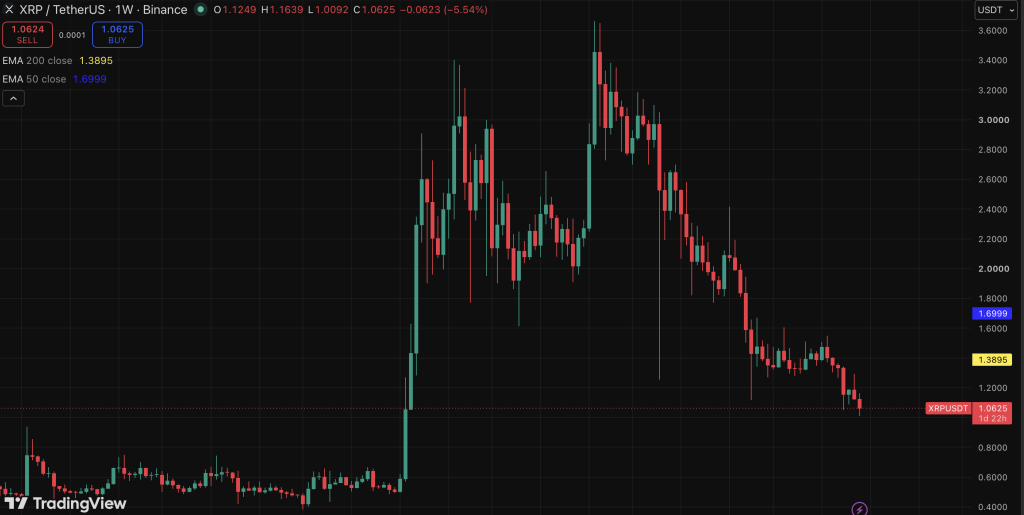
Why Market Cap Still Matters
One reason many analysts remain cautious is XRP’s large circulating supply.
With roughly 62 billion coins in circulation, every major increase in price dramatically expands the network’s overall market capitalization. If XRP returned to around $4, its valuation would climb to roughly $250 billion based on the current supply, placing it above the present market value of many of crypto’s largest projects.
That doesn’t make higher prices impossible, but it does show why extremely bullish forecasts require enormous amounts of new capital entering the market.
Because of that, many investors see a more realistic scenario where XRP gradually trades within a broader $1 to $4 range over the next few years as Ripple continues expanding its financial infrastructure and blockchain services.
The Bigger Opportunity May Be Further Out
The longer-term story could ultimately depend less on short-term price swings and more on the adoption of blockchain finance itself.
Markets such as real-world asset tokenization remain in their early stages, but many financial institutions continue investing heavily in the sector. If tokenized assets become a meaningful part of global finance later this decade, Ripple could find itself in a strong position thanks to years of infrastructure development.
That does not guarantee XRP will surge overnight. Adoption takes time, regulation continues evolving, and competition remains intense across the blockchain industry.
Still, if Ripple successfully executes its long-term strategy and blockchain-based financial services continue expanding, XRP may have considerably more room to grow than recent price action would suggest.
Disclaimer: BlockNews provides independent reporting on crypto, blockchain, and digital finance. All content is for informational purposes only and does not constitute financial advice. Readers should do their own research before making investment decisions. Some articles may use AI tools to assist in drafting, but every piece is reviewed and edited by our editorial team of experienced crypto writers and analysts before publication.




 English (US) ·