
 18 hours ago
45
18 hours ago
45
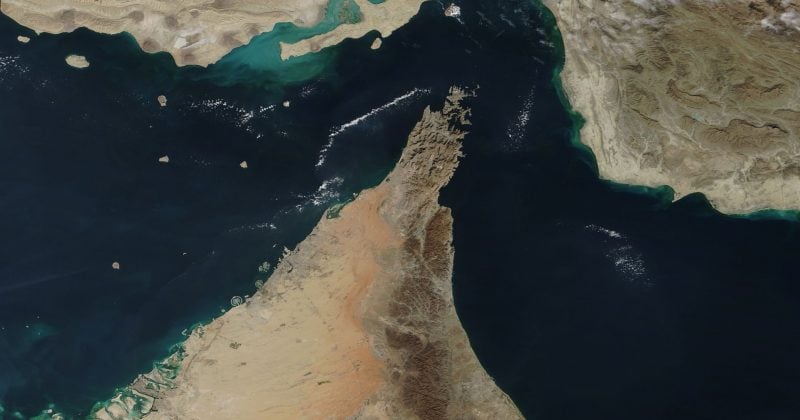
An Iranian parliamentarian has called for the closure of the strategic Strait of Hormuz, labeling it a “natural response” to actions by the United States and Israel in the region. This development comes amid the ongoing 2026 Iran war, involving military engagements between Iran, the U.S., and Israel. The Strait of Hormuz is a vital maritime passage for global oil and gas shipments, and any potential closure could escalate the conflict significantly by disrupting maritime traffic. Historically, statements from Iran’s parliament regarding the strait’s closure have served as political posturing unless endorsed by the Supreme National Security Council, which holds the final authority on such matters.
Key Takeaways
- Market pricing suggests that the call for closure is seen as a potential escalation in regional tensions, impacting the likelihood of the Strait of Hormuz returning to normal traffic conditions.
- Current market odds for the strait’s normalization by August 31, 2026, have decreased to 8.5% from 10% a day ago, reflecting increased concerns over the situation.
- The statement by the Iranian parliament member appears consistent with scenarios that anticipate further disruptions in the region, affecting international shipping and oil markets.
What to Watch
Observers should monitor any statements from Iran’s Supreme National Security Council, which would indicate whether the parliamentary call has official backing. Developments such as military actions by the U.S. or Israel, or diplomatic engagements involving key actors like Iranian President Masoud Pezeshkian or U.S. President Donald Trump, could significantly influence market perceptions. Additionally, updates on maritime traffic through the Strait of Hormuz and global oil prices will be key indicators of how the situation unfolds.
Get live prediction-market analysis, powered by Vera. Sign up for Vera.
Disclosure: This article was edited by Estefano Gomez. For more information on how we create and review content, see our Editorial Policy.






 English (US) ·