
 1 hour ago
16
1 hour ago
16
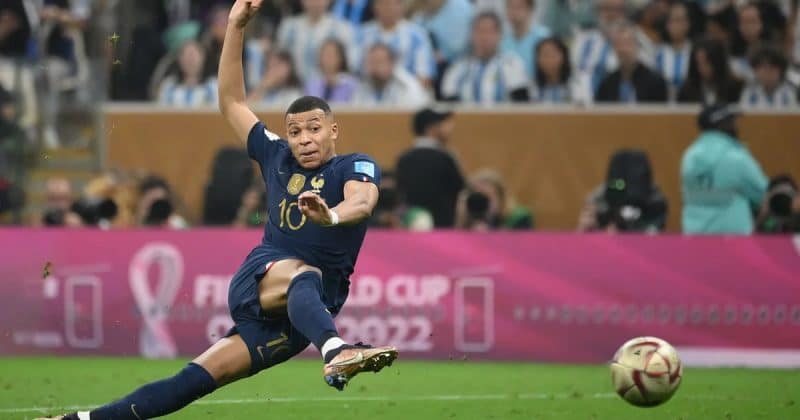
Carlo Ancelotti has a plan for penalties at the 2026 FIFA World Cup, and Vinicius Júnior is not a central part of it.
The Brazil head coach has identified his five preferred penalty takers, and the list reads: Neymar Jr. first, followed by Igor Thiago, Endrick, Bruno Guimarães, and Gabriel Martinelli. Vini Jr. sits outside that hierarchy entirely, noted only as a backup choice for penalty situations.
The list that will surprise a lot of people
Vini Jr. carries a documented record of penalty misses at the highest level, and Ancelotti is making a cold calculation here based on that evidence.
Neymar leading the list makes intuitive sense. His technical precision from twelve yards has been demonstrated at club and international level under pressure for over a decade.
Igor Thiago sits at number two. Endrick at three adds youth to the equation. Bruno Guimarães and Martinelli round out the five.
Why this matters beyond the penalty spot
By publicly establishing a penalty hierarchy that excludes Vini Jr. from the top five, Ancelotti is setting realistic expectations and insulating him from a high-pressure situation where his miss record creates unnecessary risk, while signaling to the rest of the squad that no name is too big for a merit-based decision.
What investors should take from the sports-crypto angle
There are no officially sanctioned crypto tokens, NFT projects, or blockchain initiatives connected to the Brazil national squad or Ancelotti in any verified capacity. Any token trading on these players’ names right now is operating without endorsement and without infrastructure. Unofficial meme coins and previous NFT projects exist, but no authorized tokens or blockchain initiatives associated with these players have been established.
For investors who do want exposure to the sports-finance overlap, the more durable play has historically been in platforms that have secured legitimate, contractual partnerships with governing bodies or individual athletes, rather than in assets that surface opportunistically around tournament cycles.
Disclosure: This article was edited by Editorial Team. For more information on how we create and review content, see our Editorial Policy.



 English (US) ·