
 1 hour ago
12
1 hour ago
12
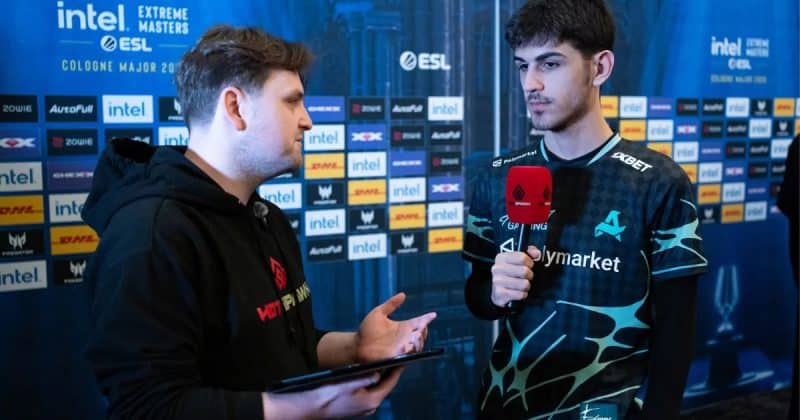
Aurora Gaming, currently ranked #7 in the world, will square off against BetBoom Team, ranked #14, in the quarterfinals of the 2026 IEM Cologne Major on June 18. The best-of-three matchup is a compelling one on paper, but the real story sits on Aurora’s jersey: Polymarket, the decentralized prediction platform, is now the team’s main sponsor.
That sponsorship deal, announced on June 10, makes this quarterfinal one of the more symbolically loaded matches in recent Counter-Strike history. One team is backed by a traditional betting operator. The other is repping a crypto-native prediction market.
The matchup and what’s at stake
Aurora’s roster features MAJ3R, XANTARES, woxic, Wicadia, and soulfly, with Fabre coaching. BetBoom Team fields Boombl4, d1Ledez, FL4MUS, Magnojez, and zorte. Ranked seven spots below Aurora, they’re technically the underdog.
Polymarket meets Counter-Strike
Polymarket is a platform where users trade on the outcomes of real-world events using crypto. The platform exploded in popularity during the 2024 US presidential election cycle and has been expanding its footprint aggressively since.
Aurora locked in this deal roughly a week before the Major quarterfinals, meaning maximum eyeballs are on the Polymarket brand at exactly the moment Aurora is performing on the biggest stage.
The broader sponsorship landscape tells a different story
The 2026 IEM Cologne Major itself does not feature prominent crypto sponsorships. The shift has been toward traditional betting operators, with companies like BetBoom occupying the space that crypto firms once targeted aggressively.
Aurora’s Polymarket deal is a team-level sponsorship rather than a tournament-level one, which suggests that crypto companies may be finding more value in targeted partnerships with specific rosters than in broad event sponsorships.
What this means for investors and the prediction market space
Esports generates hundreds of matches per week across multiple titles, each with clearly defined outcomes. The audience already lives online, already holds crypto, and already has opinions about who’s going to win.
When a prediction market sponsors a team competing in matches that the same platform lists for trading, the structural conflict of interest is the kind of thing that invites scrutiny, particularly as the prediction market sector scales.
For traders and stakeholders in the prediction market vertical, the key metric to watch is whether liquidity on esports-related markets increases following high-visibility events like this Major quarterfinal. If Aurora’s Polymarket deal drives measurable growth in trading volume on match outcomes, expect other prediction platforms to pursue similar partnerships.
Disclosure: This article was edited by Editorial Team. For more information on how we create and review content, see our Editorial Policy.








 English (US) ·