
 1 month ago
31
1 month ago
31
- BIP-361 proposes freezing non-upgraded Bitcoin to protect against quantum threats
- Hoskinson warns up to 1.7 million BTC may be permanently unrecoverable
- Debate grows as quantum computing timelines push crypto toward urgent upgrades
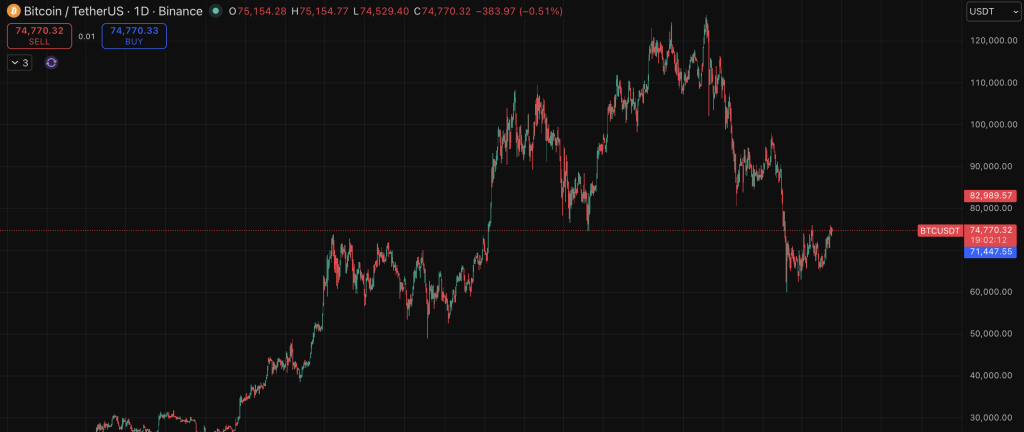
A new Bitcoin proposal—BIP-361—is starting to stir up some serious conversation, and not in a quiet way either. The idea behind it is pretty bold: protect as much as 34% of Bitcoin’s total supply, which translates to over 7 million coins, by freezing funds that don’t eventually move to quantum-resistant addresses. That’s roughly $536 billion at stake, so yeah… not exactly a small tweak to the system.
At its core, the proposal is trying to get ahead of a future problem—one that still feels distant to some, but increasingly real to others. The catch? Not everyone is convinced it actually solves what it claims to fix.

Hoskinson Pushes Back on Recovery Claims
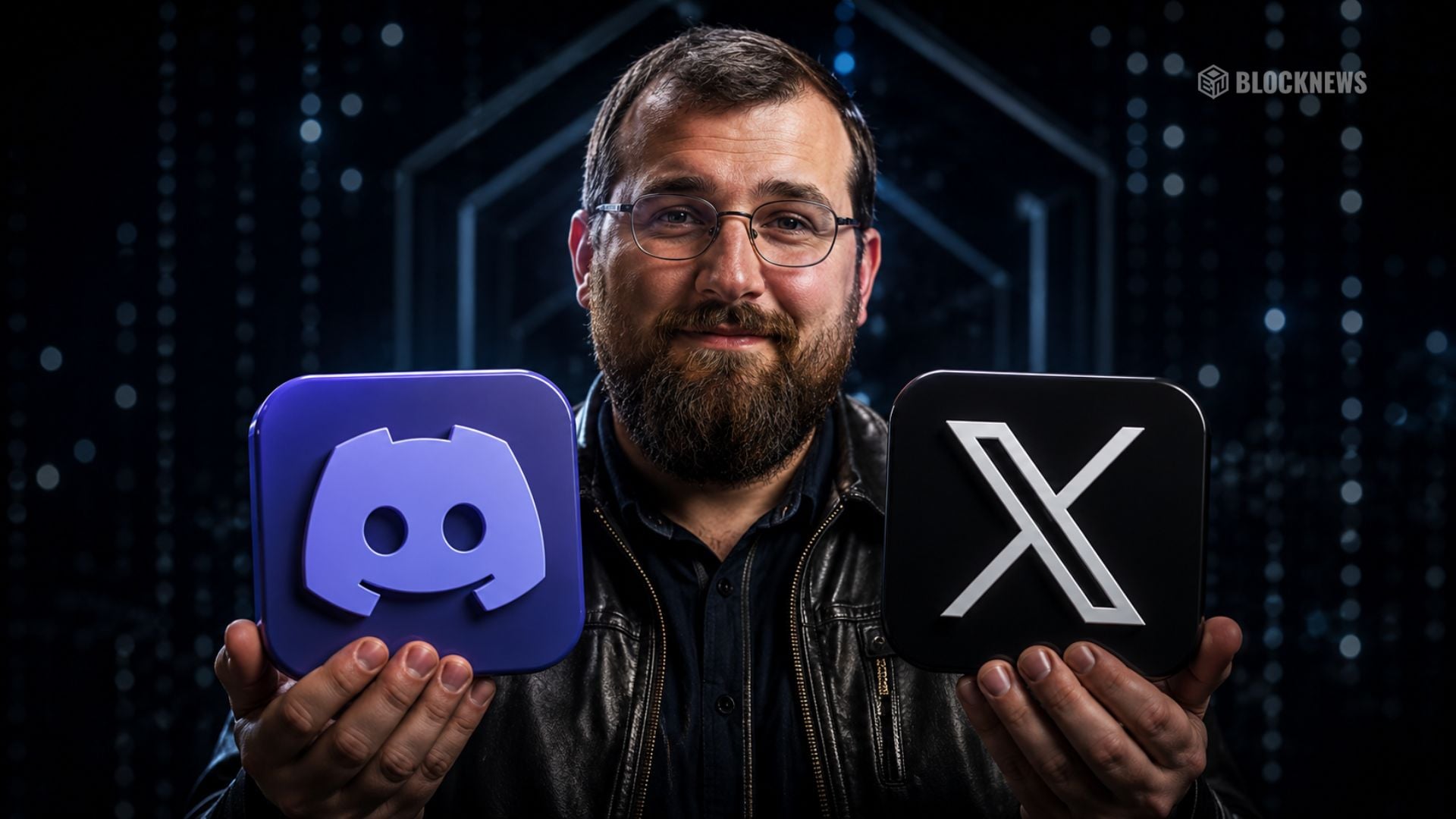
Charles Hoskinson, founder of Cardano, didn’t hold back when weighing in. While he acknowledged the intent behind the proposal, he challenged one of its key promises—the idea that frozen Bitcoin could later be recovered. According to him, that’s just not realistic, at least not at the scale being suggested.
He argues that around 1.7 million BTC could end up permanently inaccessible under this system. That’s not a trivial amount either—it’s roughly $127 billion worth of Bitcoin that, in his view, simply wouldn’t be recoverable once locked. And a large chunk of that comes from older wallets, particularly coins mined or stored before 2013, back when key generation methods were… let’s say, less advanced.
Lost Coins, Including Satoshi’s, Could Stay Frozen
A big piece of this puzzle involves early Bitcoin holdings, including those tied to Satoshi Nakamoto. Estimates suggest around 1.1 million BTC belong to Bitcoin’s mysterious creator, coins that have never moved and likely fall into the category of vulnerable addresses. If BIP-361 were implemented strictly, those funds might just stay frozen indefinitely.
That raises a weird, almost philosophical question—should untouched coins be preserved at all costs, or sacrificed for the sake of network security? There’s no easy answer, and the community seems split, as usual.
A Necessary Move… or a Forced One?
Even with his criticism, Hoskinson didn’t dismiss the proposal entirely. In fact, he admitted it makes sense in a broader context. The looming threat of quantum computing—often referred to as “Q-Day”—is becoming harder to ignore. Once quantum machines reach a certain level, they could theoretically break Bitcoin’s current cryptographic protections, exposing older wallets to theft.
That’s the fear driving proposals like this. And it’s not just speculation anymore—Google has already floated a 2029 timeline for transitioning to post-quantum cryptography in its own systems. So while the timeline isn’t immediate, it’s also not decades away like people once thought.
Governance Debate Creeps Back In
Still, Hoskinson used this moment to highlight something deeper—Bitcoin’s resistance to change. He pointed out that networks with on-chain governance, like Cardano, Polkadot, and Tezos, might be better equipped to handle challenges like this. Decisions can be made more fluidly, without the same level of gridlock.
Of course, he didn’t say it without a bit of sarcasm. Taking a jab at Bitcoin maximalists, he joked about how other ecosystems are often dismissed, even when they experiment with solutions that could actually help. It was half critique, half humor… but the underlying point landed.
And now, the conversation is out in the open. Whether BIP-361 moves forward or not, one thing feels clear—Bitcoin’s future might depend on how willing it is to adapt, even if that means making some uncomfortable decisions along the way.
Disclaimer: BlockNews provides independent reporting on crypto, blockchain, and digital finance. All content is for informational purposes only and does not constitute financial advice. Readers should do their own research before making investment decisions. Some articles may use AI tools to assist in drafting, but every piece is reviewed and edited by our editorial team of experienced crypto writers and analysts before publication.






 English (US) ·