
 3 hours ago
22
3 hours ago
22
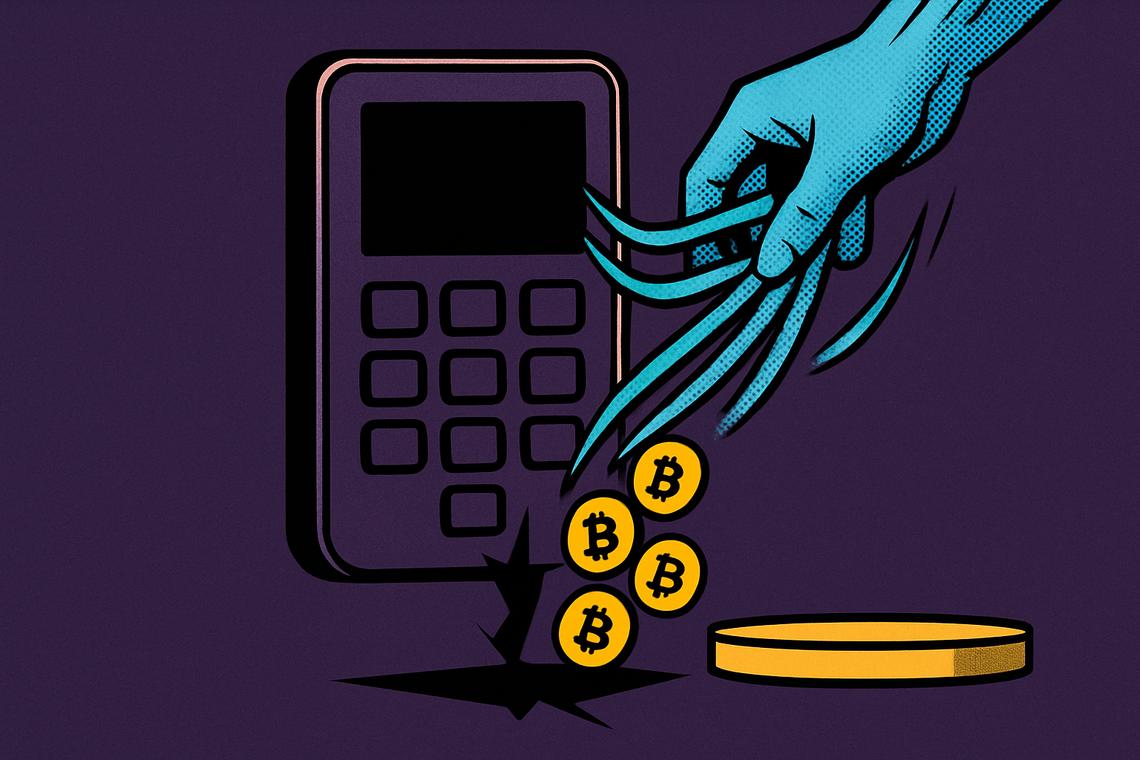
When one of the sharpest equity rallies of the year lit up Asian markets on Friday, crypto traders barely looked up. Bitcoin price stability held firm near $64,300 even as South Korea’s Kospi index staged a historic surge, chip stocks exploded higher, and a serious hardware wallet security breach drained nearly $38 million worth of bitcoin from hundreds of users. Three separate market-moving events. Zero meaningful reaction from the world’s largest cryptocurrency.
Key takeaways
- Bitcoin held near $64,300 despite one of the biggest single-day equity rallies in recent Asian market history.
- South Korea’s Kospi surged up to 17%, driven by Samsung and SK Hynix each jumping more than 23%, and Taiwan Semiconductor rising 10%.
- A key generation flaw in Coldcard hardware wallets resulted in approximately 594 Bitcoin — worth roughly $38 million — being stolen from around 500 wallets.
- BNB was the only major cryptocurrency to post a meaningful weekly gain, rising 3% on the day to $590.
- Despite the Coldcard breach, Bitcoin’s market price showed no reaction whatsoever.
Bitcoin Price Stability Amid a Global Market Surge
Bitcoin briefly spiked to $65,300 during early Asian trading hours before giving back those gains within an hour and settling back near $64,300. That kind of quick rejection tells its own story — buyers weren’t particularly committed, but neither were sellers. The market found equilibrium and stayed there.
The contrast with equities was stark. While the Kospi was recording one of its best sessions ever and U.S. tech futures pushed higher on the back of blockbuster cloud earnings from Amazon and Microsoft, crypto markets seemed to exist in a parallel universe. Ether traded at $1,907. XRP sat at $1.08. Solana held at $74. Dogecoin barely moved from $0.07. None of the major tokens did anything dramatic.
BNB was the lone exception, rising 3% on the day to $590 and standing out as the only major cryptocurrency holding a meaningful weekly gain. Every other major name was slightly in the red on the week: Bitcoin down 2%, Solana and XRP each off 3%, and Hyperliquid’s HYPE shedding 5% over seven sessions. Ether and Dogecoin edged up just 1%.
What this pattern reveals is that crypto is currently decoupled from the broader risk-on sentiment driving equities. Historically, a sharp surge in global tech stocks — especially AI-adjacent chip names — has lifted crypto alongside it, given the shared investor base and the correlation between speculative assets. The absence of that linkage on Friday suggests either that crypto markets are operating on a different cycle right now, or that liquidity and positioning within the space are simply not responding to macro tailwinds the way they once did.
South Korea’s Kospi Surges 17%, Led by Chip Stocks
The Kospi’s move was extraordinary by any measure. The index surged as much as 17%, reversing a brutal three-day rout that had dragged it more than 40% below its June peak, according to CNBC. The rebound was fueled almost entirely by semiconductor names.
Samsung Electronics and SK Hynix both jumped more than 23%, while Taiwan Semiconductor gained 10%. The gains came after the iShares Semiconductor ETF (SOXX) surged more than 8% overnight in the U.S., following stronger-than-expected cloud results from Amazon and Microsoft. Amazon beat second-quarter revenue estimates on cloud strength, and Microsoft had already rallied 16% during Thursday’s regular session on faster-than-expected Azure growth.
Andrew Jackson, head of equity strategy at Ortus Advisors, described Microsoft’s results as having “sparked a huge rebound for risk-on and AI.” In a note published Friday, he pointed out that Azure cloud revenue beat expectations while management kept capital spending disciplined — a signal the market had been waiting for after weeks of concern that AI infrastructure costs were running out of control.
Japanese chip stocks joined the rally as well. Advantest climbed nearly 18%, Tokyo Electron gained almost 9%, Disco rose over 13%, Lasertec advanced more than 12%, and SoftBank Group — an AI proxy through its ownership of Arm — jumped more than 9%, according to CNBC. The broader Asian advance underlined just how tightly the region’s equity markets are wired to U.S. tech sentiment, and how quickly that sentiment can flip.
Coldcard Wallet Breach: $38 Million Stolen, Bitcoin Unmoved
Separate from the equity story, a significant security incident unfolded in the Bitcoin ecosystem. A flaw in the key generation process of certain Coldcard hardware wallets allowed hackers to systematically drain funds from affected users. According to CoinDesk, around 500 wallets were compromised, with approximately 594 bitcoin — worth roughly $38 million — swept out on Thursday.
Hardware wallets like Coldcard are widely considered among the most secure methods for storing Bitcoin, positioned as a step above software wallets precisely because private keys never leave the device. A key generation vulnerability undermines that fundamental premise. If the random number generation process that creates private keys is flawed or predictable, an attacker who knows the flaw can reconstruct the keys and drain wallets without ever needing physical access to the device.
The scale — 500 wallets, $38 million — is significant enough that it would ordinarily register as a market event. It did not. Bitcoin’s price showed no measurable reaction to the breach, which may reflect the relatively contained scope of the incident compared to the overall Bitcoin market, or simply that broader macro conditions dominated trader attention on the day.
Still, the implications for hardware wallet security confidence are harder to dismiss than the price chart suggests. Users who rely on Coldcard devices for cold storage now face uncertainty about whether their key generation process was affected, and the incident raises wider questions about verification standards across the hardware wallet industry — questions that the market may be slow to price in, but that users cannot afford to ignore.
FAQ
Did the Coldcard hardware wallet breach affect Bitcoin’s market price?
No. Despite approximately 594 Bitcoin worth around $38 million being stolen from about 500 compromised wallets, Bitcoin’s market price showed no reaction to the Coldcard security breach.
Which cryptocurrencies showed notable price changes during the global equity rebound?
Most major cryptocurrencies — including Ether, XRP, Solana, and Dogecoin — showed only minor changes. BNB was the standout, rising 3% on the day to $590 and posting the only meaningful weekly gain among major tokens.
What caused the sharp surge in South Korea’s Kospi index?
The Kospi surged up to 17%, led by Samsung and SK Hynix each jumping more than 23% and Taiwan Semiconductor rising 10%. The rally followed stronger-than-expected cloud earnings from Amazon and Microsoft, which reignited confidence in AI infrastructure spending and drove a sharp rebound in semiconductor stocks across Asia.
How extensive was the security flaw impact in Coldcard wallets?
Approximately 500 Coldcard wallets were compromised through a flaw in the hardware wallet’s key generation process. Hackers used the vulnerability to steal around 594 Bitcoin, valued at roughly $38 million at the time of the theft.
Article produced with the assistance of artificial intelligence and reviewed by the editorial team.







 English (US) ·