
 3 months ago
67
3 months ago
67
- Bitcoin has outperformed gold during Q2 despite rising macroeconomic uncertainty
- Analysts warn BTC/XAU is approaching a resistance zone linked to previous corrections
- Rising Treasury yields, inflation fears, and dollar strength continue pressuring crypto markets
At first glance, the market right now seems caught in a constant rotation between traditional safe havens like gold and higher-risk assets such as Bitcoin. Interestingly though, Bitcoin has quietly been gaining relative strength against gold again despite growing macroeconomic fear creeping back into financial markets.
From a technical perspective, the BTC/XAU ratio has already climbed roughly 19% during Q2, making it Bitcoin’s strongest quarterly performance against gold since the Q2 2025 cycle. That’s a notable development because the move is happening while inflation concerns, rising yields, and geopolitical uncertainty continue weighing heavily on investor sentiment.
In other words, capital still appears willing to flow into Bitcoin faster than gold — at least for the moment.
Still, not everyone believes that trend will last much longer.
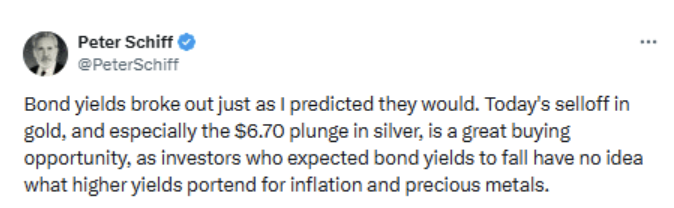
Peter Schiff Warns Gold Could Reclaim Strength
Longtime Bitcoin critic Peter Schiff recently argued that the latest pullback in gold and silver prices should actually be viewed as a buying opportunity rather than a sign of weakness.
Schiff’s broader thesis remains fairly consistent: rising inflation, higher Treasury yields, and increasing macroeconomic instability will eventually strengthen demand for traditional inflation hedges like gold while placing pressure on risk assets.
That debate becomes especially important now because BTC/XAU is approaching a major resistance area that previously triggered heavy downside volatility earlier this year.
Back in January, Bitcoin faced a similar setup near resistance before suffering a brutal correction of more than 30%, falling from around $93,000 toward roughly $62,000 within weeks. Naturally, traders are now asking whether history could be preparing to repeat itself again.
Macro Conditions Are Starting to Look Familiar
From a macro standpoint, the current environment shares several uncomfortable similarities with Q1 conditions. Inflation reportedly climbed toward 3.8% in April while Treasury yields continue pushing toward multi-month highs above 4.5%.
Those rising yields matter because they tighten liquidity conditions and make safer yield-generating assets more attractive compared to speculative investments like crypto.
At the same time, the US dollar is beginning strengthening again as global markets react to persistent inflation pressure and shifting central bank expectations. For Bitcoin, that combination can create a difficult backdrop because stronger dollar environments historically tend to reduce liquidity flowing into risk assets.
Gold, on the other hand, often benefits during periods where investors grow increasingly defensive.
That’s largely why some analysts believe Bitcoin’s current hedge narrative may soon face another serious stress test.
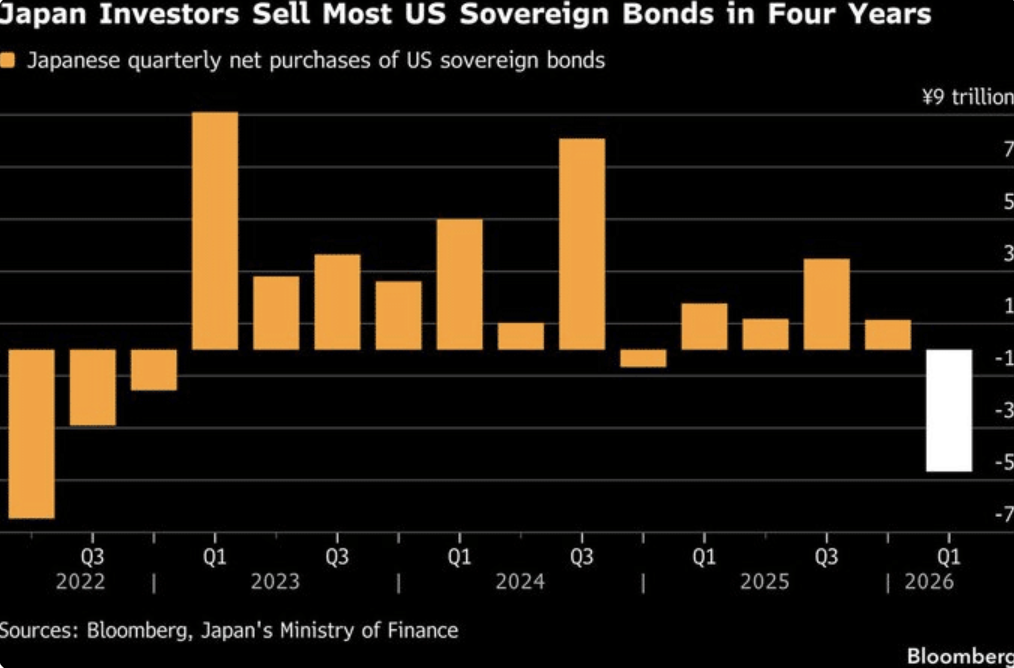
Japan’s Treasury Moves Add More Pressure
Another major factor influencing global liquidity conditions right now comes from Japan. The Japanese yen has weakened sharply recently, with USD/JPY posting its strongest weekly move since February.
Markets are increasingly pricing in the possibility of additional Bank of Japan rate hikes while the BoJ itself reportedly sold roughly $33 million worth of US Treasuries during Q1. That may sound relatively small in isolation, but it reflects a broader tightening trend that can impact liquidity conditions globally.
Importantly, those Treasury adjustments lined up closely with Bitcoin’s earlier Q1 correction against gold. As Treasury yields rose and the US dollar strengthened, global capital appeared to rotate more aggressively into gold while Bitcoin lost momentum.
Fast forward to today, and several analysts believe the market structure is beginning to resemble that same setup again.
Bitcoin’s Next Move Could Depend on Macro Liquidity
Right now, Bitcoin still holds a stronger relative position against gold than many expected given current macro uncertainty. But the market is entering a sensitive zone where technical resistance, rising yields, and global liquidity concerns are starting to collide at the same time.
If BTC/XAU gets rejected near current resistance levels again, traders may begin preparing for another broader correction cycle similar to Q1. On the other hand, if Bitcoin successfully breaks through resistance despite tightening macro conditions, it could strengthen the argument that institutional demand for BTC remains structurally stronger than many skeptics believe.
For now though, the battle between Bitcoin and gold is becoming less about hype and more about which asset investors trust most during a period of rising inflation fears and tightening global liquidity.
Disclaimer: BlockNews provides independent reporting on crypto, blockchain, and digital finance. All content is for informational purposes only and does not constitute financial advice. Readers should do their own research before making investment decisions. Some articles may use AI tools to assist in drafting, but every piece is reviewed and edited by our editorial team of experienced crypto writers and analysts before publication.








 English (US) ·