
 1 hour ago
20
1 hour ago
20
Larry Fink, the man who oversees roughly $11 trillion in assets at BlackRock, has a message for the roughly 40% of Americans who keep their money out of capital markets: you’re doing it wrong.
Speaking at the Milken Institute Global Conference on May 5, Fink called keeping money in a bank account “one of the worst financial decisions of a lifetime.” Coming from someone whose entire business model depends on people investing rather than saving, the statement carries an obvious asterisk. But the underlying math is harder to dismiss.
The case against cash
Fink’s argument isn’t particularly new, but he’s making it with sharper language than usual. Wages alone, he told the audience, don’t guarantee meaningful participation in economic growth. The only way most people can ride the wave of an expanding economy, particularly one being reshaped by artificial intelligence, is to have skin in the game through investments.
He reinforced this theme in his 2026 Annual Chairman’s Letter to Investors, where he highlighted that roughly 40% of Americans have zero exposure to capital markets. That’s not a rounding error. That’s nearly half the country watching economic growth happen to other people.
A CEO talking his book, or stating the obvious?
Let’s acknowledge the elephant in the room. Larry Fink runs the largest asset management firm on the planet. Every dollar that moves from a Chase savings account into a BlackRock ETF is a dollar that generates fees for his company. His incentives and his advice are pointing in the exact same direction, which should make anyone pause for a moment before nodding along.
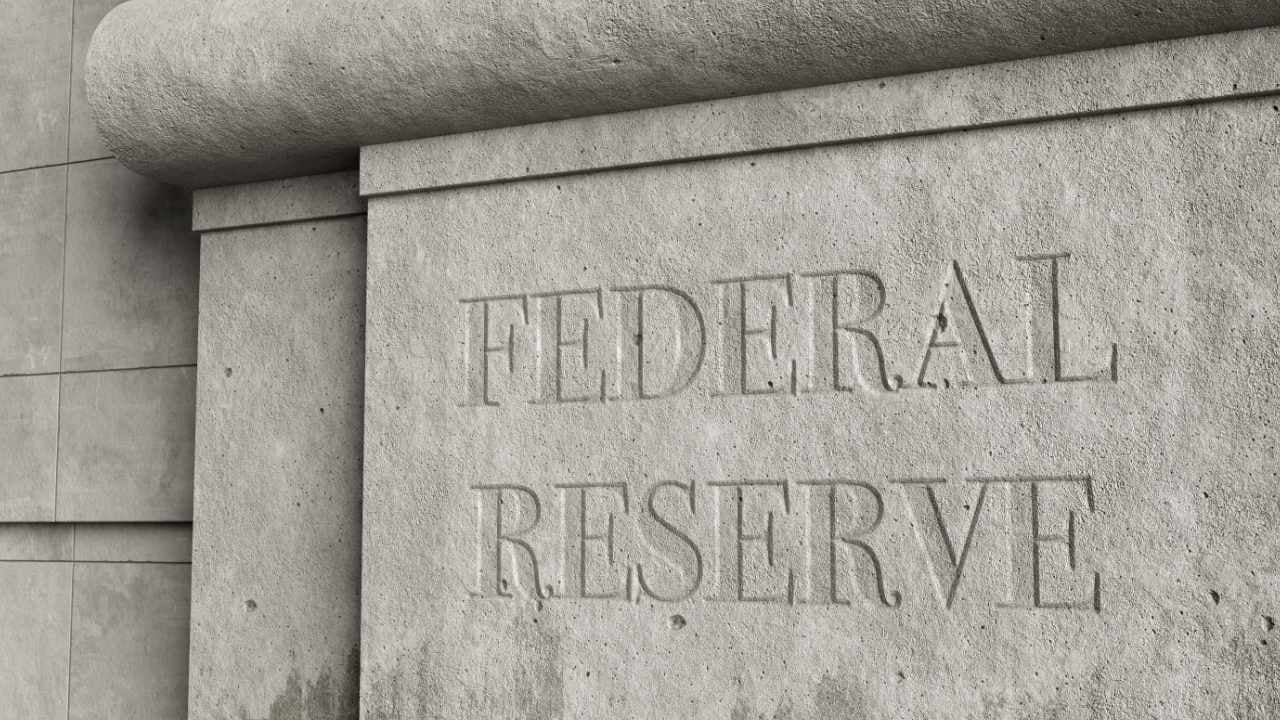
That said, the financial literacy gap he’s describing is real. The Federal Reserve’s own surveys have consistently shown that a significant share of American households hold no stocks, bonds, or mutual funds.
His emphasis on AI-related investments adds a specific flavor to the pitch. Rather than generic “buy the S&P 500” advice, Fink is pointing toward sectors where he believes transformative growth will concentrate. BlackRock has been positioning itself aggressively in AI-adjacent infrastructure and technology themes, making this less of a general exhortation and more of a preview of where the firm expects capital flows to head.
What this actually means for everyday investors
The practical takeaway from Fink’s comments isn’t that bank accounts are useless. Emergency funds still belong in liquid, low-risk vehicles, and anyone who emptied their savings account into the market in early 2020 learned a painful lesson about timing and liquidity needs.
What Fink is really arguing against is the default mode that many Americans operate in: direct deposit hits, bills get paid, whatever’s left sits in checking or savings, and capital markets remain something that happens on CNBC. For someone with a 20- or 30-year time horizon, that default is genuinely costly. The difference between a 4% savings rate and a 9% average market return compounds into hundreds of thousands of dollars over a career.
His remarks also carry weight because of the macroeconomic moment. Interest rates have been elevated relative to the near-zero era that defined the 2010s, which has made savings accounts temporarily more attractive. Fink appears to be warning people not to mistake a cyclical bump in deposit rates for a long-term strategy.
Disclosure: This article was edited by Editorial Team. For more information on how we create and review content, see our Editorial Policy.





 English (US) ·