
 2 days ago
9
2 days ago
9
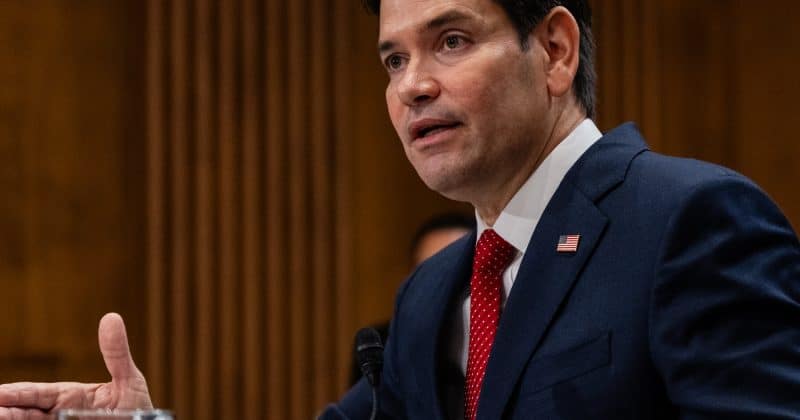
Kevin Warsh has been Fed Chair for less than a month, and bond investors are already trying to read his mind. The June 16-17 FOMC meeting, his first at the helm, will be the most closely watched Fed gathering in years, not because anyone expects a rate change, but because everyone wants to know what kind of central banker Warsh intends to be.
The federal funds rate is widely expected to stay put in the 3.50-3.75% range. The real action will be in the details: the language of the post-meeting statement, the updated Summary of Economic Projections, and, most critically, Warsh’s first press conference as chair.
A new sheriff with different instincts
Warsh took office on May 22, 2026, after being confirmed by the Senate on a 54-45 vote. He succeeds Jerome Powell, whose tenure was defined by pandemic-era emergency measures, an aggressive rate-hiking cycle, and a communication style that markets eventually learned to decode, even if they didn’t always like what they heard.
Warsh has signaled he wants something different. He’s described his vision as a more “reform-oriented” Fed, which in practice appears to mean two things: a slower pace of balance sheet reduction and less detailed forward guidance.
For bond investors, less forward guidance means more uncertainty about the rate path, which typically translates to wider ranges in fixed-income pricing and, potentially, more volatility in Treasury markets.
The macro backdrop is awkward
The labor market remains solid. The May jobs report showed nonfarm payrolls rising by 172,000, with the unemployment rate holding steady at 4.3.
Analysts expect the language in the Fed’s statement could shift from an easing bias to something more neutral. In Fed-speak, moving from “we’re inclined to cut” to “we’re watching and waiting” can move billions of dollars in bond positioning overnight.
What the dot plot might reveal
The updated Summary of Economic Projections will be Warsh’s first opportunity to shape the committee’s collective forecast. If the median dot moves higher relative to March projections, that would suggest the committee sees less room for cuts than previously thought.
What this means for investors
Warsh has given no indication he plans to pursue a central bank digital currency, which removes one source of potential disruption.
The key risk for bond investors is that Warsh uses his first meeting to establish credibility by being more hawkish than expected. His four-year term runs through May 21, 2030.
Traders should watch three things: whether the statement drops its easing language, whether the dot plot median shifts, and whether Warsh’s press conference answers sound like a man who wants to change how the Fed operates or simply manage the institution he inherited.
Disclosure: This article was edited by Editorial Team. For more information on how we create and review content, see our Editorial Policy.




 English (US) ·