
 1 hour ago
13
1 hour ago
13
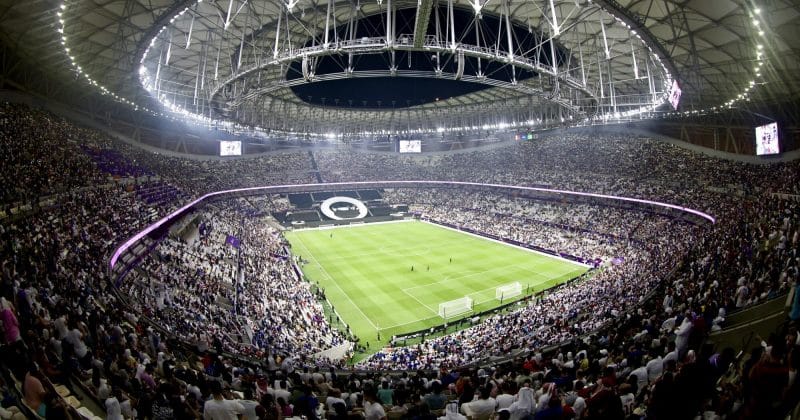
Toronto’s Front Street has been buzzing. The city is hosting World Cup matches for the first time in Canada’s history, and the energy is real. But alongside the flags and the fan fests, a quieter transformation is happening: the 2026 FIFA World Cup has become, almost without fanfare, one of the most deeply crypto-integrated sporting events ever held.
Canada is the only one of the three co-hosts, alongside the United States and Mexico, experiencing this tournament for the first time.
Kraken, Avalanche, Chainlink: the blockchain lineup behind the World Cup
On June 9, 2026, FIFA announced Kraken as its first-ever Official Crypto Exchange Supporter for the World Cup. The partnership is designed to expand fan engagement and accelerate crypto adoption across the host nations.
FIFA tapped Avalanche to power its FIFA Collect digital collectibles platform and to underpin a new blockchain-based ticketing system. The ticketing angle is particularly significant: ticket scalping and fraud have plagued major sporting events for decades, and FIFA’s pivot to on-chain ticketing represents a genuine attempt to solve a structural problem using blockchain infrastructure.
Chainlink’s oracle network is providing the data infrastructure for the tournament’s first official prediction market, operated by ADI PredictStreet. Oracles are the bridges that feed real-world data into blockchain-based applications. Without reliable oracles, a prediction market that settles based on match results becomes a trust problem.
Chiliz fan tokens saw a 28% price surge during early tournament matchdays.
Why this World Cup matters for the crypto market
For investors watching the crypto space, the 2026 World Cup represents a data point worth tracking. The projects embedded in this tournament — Avalanche, Chainlink, Chiliz, and Kraken — are getting use-case-driven visibility at scale. Avalanche’s ticketing integration and Chainlink’s oracle services are operational deployments that generate real transaction volume and real developer interest.
Canada has historically been one of the more progressive regulatory environments for crypto in North America, with several Bitcoin ETFs approved on the Toronto Stock Exchange years ahead of their US counterparts. Hosting a tournament where blockchain infrastructure is woven into the fan experience creates a feedback loop: Canadian fans interact with crypto products, Canadian regulators observe the use cases in action, and Canadian media covers it all.
The risk is that fan tokens in particular have a history of spiking around major sporting events and then drifting back down once the final whistle blows. The 28% Chiliz surge is notable in the moment, but the more meaningful question is whether FIFA’s blockchain integrations create lasting user habits or simply a one-time novelty.
Disclosure: This article was edited by Editorial Team. For more information on how we create and review content, see our Editorial Policy.



 English (US) ·