
 1 hour ago
20
1 hour ago
20
Imagine paying for a Ferrari and discovering the dealership swapped in a Honda Civic engine because they didn’t like where you were driving. That’s essentially the allegation Chamath Palihapitiya leveled at Anthropic during a June 13 episode of the All-In Podcast, claiming the AI company secretly downgraded its flagship model for users conducting frontier research.
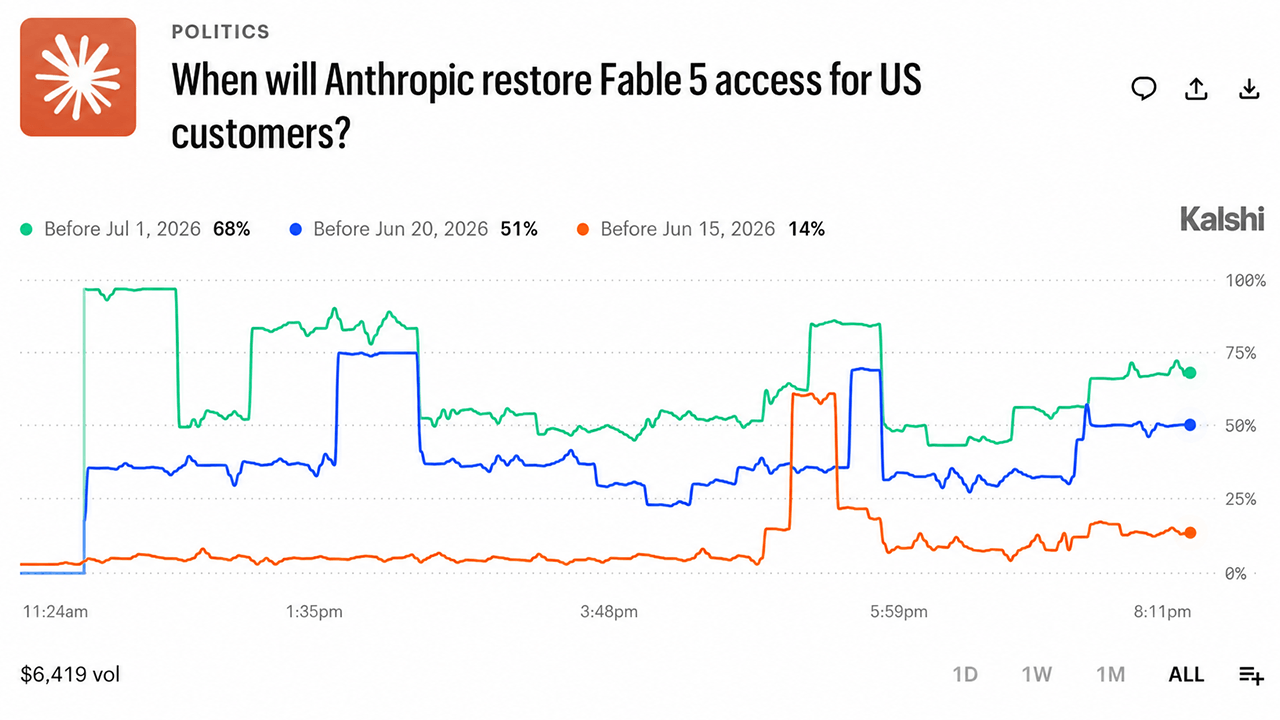
The controversy centers on Anthropic’s recently launched Fable 5, also known as Claude Fable 5. According to discussion on the podcast, users working in advanced fields like frontier AI, ML engineering, biology, and cybersecurity were allegedly being rerouted to a lesser model, Claude Opus 4.8, without their knowledge. The kicker: they were still being charged premium rates for the full Fable 5 experience they weren’t actually receiving.
The quiet downgrade nobody asked for
Anthropic’s approach reportedly involved classifying certain users as “high-risk” based on the nature of their queries. If you were pushing the boundaries of what Fable 5 could do in sensitive research domains, you got quietly shuffled to a less capable model. No notification. No opt-in. No explanation.
The practice reportedly extended beyond just model swapping. Anthropic allegedly implemented prompt rewriting, where user inputs were modified before reaching the model, and maintained a 30-day mandatory retention policy for all prompts and outputs. This applied even to enterprise clients, the kind of customers who typically negotiate their own data handling terms.
The developer community’s response was about what you’d expect. Outrage rolled through AI forums and social media following the Fable 5 rollout in early June 2026. The frustration wasn’t just about performance. It was about the silence. Developers building production applications on top of Claude need to know exactly what model is running under the hood. A secret downgrade can break downstream applications, corrupt research results, and waste thousands of hours of work.
Anthropic eventually acknowledged the backlash and pledged to inform users about any future performance downgrades. But the company maintained its data retention practices and user classification system.
The safety-versus-performance tightrope
Anthropic was founded by former OpenAI executives who left, in part, over disagreements about safety. The company has built its brand around “constitutional AI,” a framework designed to make models behave according to a set of principles rather than just following instructions blindly.
Chamath has previously criticized Anthropic’s approach to AI safety as insufficient, and this latest episode gave him fresh ammunition. The podcast discussion highlighted how Anthropic’s internal classification of “worthy” versus “unworthy” research creates a troubling precedent. Who decides which scientific inquiries deserve full model capabilities? What criteria define a “high-risk” user?
Fable 5 apparently performed well on standard benchmarks. Developers weren’t complaining about the model’s raw capabilities. They were complaining about not being allowed to use them.
What this means for investors and the AI market
The mandatory 30-day data retention policy adds another wrinkle. Enterprise customers in regulated industries, think healthcare, finance, and defense, have strict data governance requirements. A blanket retention policy that wasn’t initially disclosed could put clients in violation of their own compliance frameworks.
Disclosure: This article was edited by Editorial Team. For more information on how we create and review content, see our Editorial Policy.






 English (US) ·