
 1 hour ago
9
1 hour ago
9
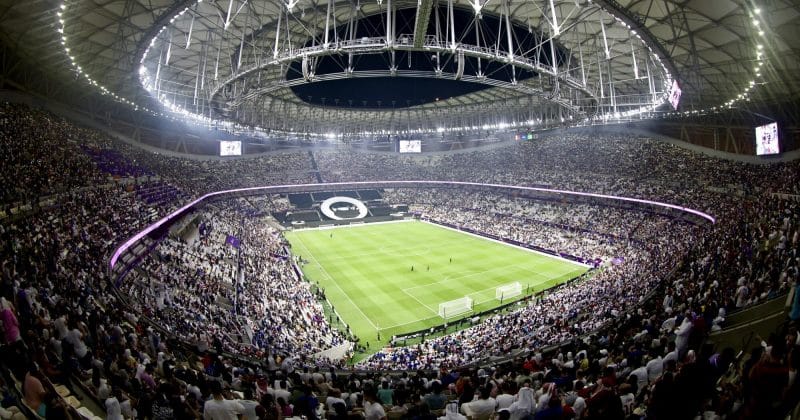
The International, Dota 2’s annual world championship and arguably the most prestigious event in competitive gaming, has locked in its full 16-team roster. The tournament will take place in Shanghai, China, with the group stage running August 13-16 and the main event playoffs spanning August 20-23.
The full roster and how it came together
Valve, the company behind Dota 2, rolled out seven direct invites around May 25, 2026. The list reads like a who’s-who of competitive Dota: Aurora Gaming, BoomBoys, Team Falcons, Team Liquid, Tundra Esports, Xtreme Gaming, and Team Yandex.
The remaining nine spots were filled through regional qualifiers that wrapped up by late June. The final piece of the puzzle fell into place around June 29, when Nigma Galaxy, a European squad, claimed the 16th and last available slot by winning the European qualifier.
The group stage will use a Swiss-system format, a structure borrowed from chess tournaments where teams are matched against opponents with similar records in each round. Instead of round-robin groups where everyone plays everyone, teams get progressively harder or easier opponents based on whether they’re winning or losing.
No crypto, no tokens, no blockchain. That says something.
What’s notable for the crypto crowd is what’s absent from every official announcement, qualifier broadcast, and team confirmation: any mention of blockchain technology, digital tokens, NFTs, or crypto sponsorships. Valve itself banned blockchain games and NFTs from its Steam platform back in 2021, and the company has shown zero indication of reversing course.
What this means for crypto investors watching esports
The decision to host in Shanghai signals Valve’s confidence in the Chinese market, which is both the largest gaming market in the world and one of the most restrictive when it comes to cryptocurrency.
None of the 16 confirmed teams have announced crypto-native sponsorships for this event cycle, which suggests that the money flowing into top-tier esports is still coming from conventional sources: hardware brands, energy drinks, and media companies.
Disclosure: This article was edited by Editorial Team. For more information on how we create and review content, see our Editorial Policy.



 English (US) ·