
 1 hour ago
17
1 hour ago
17
Two things investors hate more than anything: surprises and uncertainty. On July 29, 2026, they got a generous helping of both.
The Dow Jones Industrial Average shed roughly 800 points in morning trading, a decline of approximately 1.5% to 1.7%, as a combination of geopolitical alarm and pre-Fed nerves sent traders scrambling for the exits. The S&P 500 and Nasdaq fell in tandem, with semiconductor stocks absorbing particularly sharp losses.
The catalyst, at least the immediate one, was a threat of military strikes against Iran issued by President Trump. Oil markets reacted instantly, sending energy prices sharply higher.
When oil spikes, everything else gets complicated
Energy stocks were the clear outlier on the day, moving higher as the rest of the market sold off. That divergence is textbook risk-off behavior: money rotates away from growth and tech into commodities and defensive names.
Semiconductor stocks led the declines on the Nasdaq, which was reportedly approaching correction territory.
The Fed is in the room too
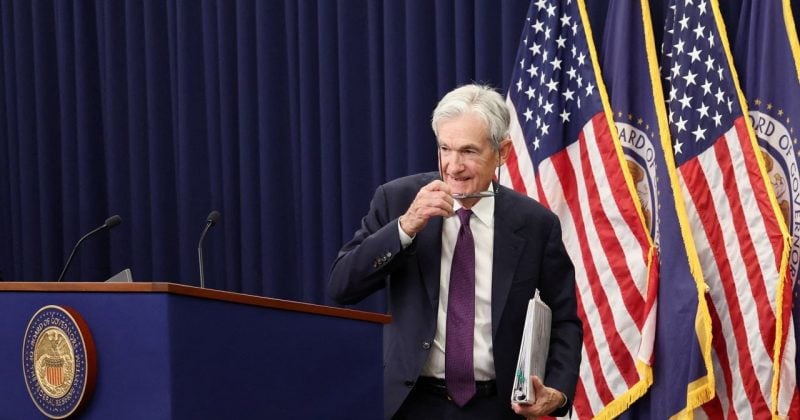
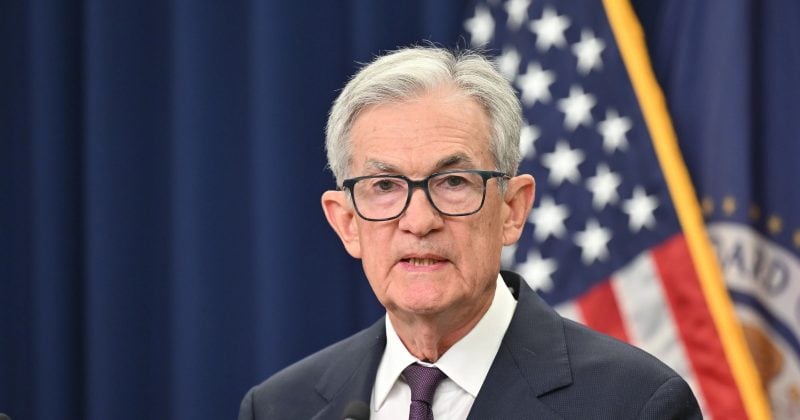
The 800-point drop did not happen in a vacuum. It landed on the same day markets were bracing for a Federal Reserve policy decision, which layers a second source of anxiety directly on top of the geopolitical noise.
The broader context here is that inflation expectations are sensitive to oil prices. If energy costs rise meaningfully and stay elevated, the Fed’s path toward eventual rate cuts becomes more complicated. Markets had been pricing in a relatively benign rate environment for the second half of 2026.
What this means for investors, including crypto ones
The energy sector’s outperformance suggests some investors are positioning for a prolonged tension scenario rather than treating this as noise.
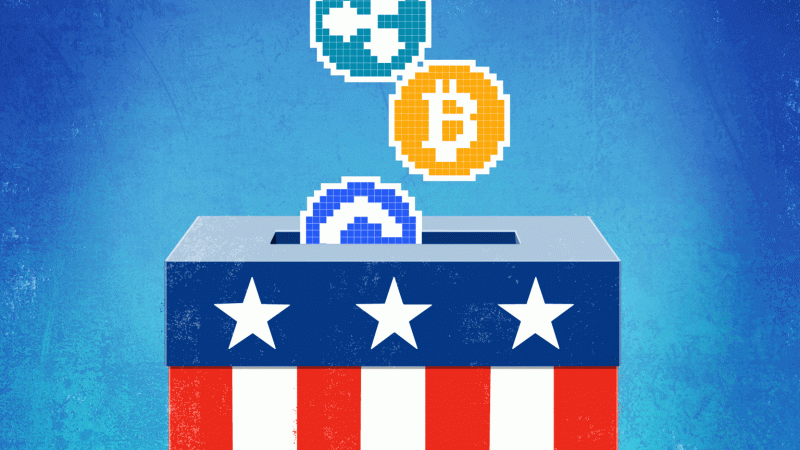
For crypto markets, the connection is less direct but not irrelevant. Bitcoin and other digital assets have historically shown correlation with broader risk sentiment during acute market stress events. When equities sell off sharply and investors move toward capital preservation, crypto often experiences reduced trading volumes and downward price pressure in the short term.
If rising oil prices complicate the Fed’s easing trajectory, that removes a tailwind that had been supporting risk assets broadly, including digital assets. A world where rates stay higher for longer because oil is keeping inflation elevated is a less friendly environment for speculative positions across the board.
Disclosure: This article was edited by Editorial Team. For more information on how we create and review content, see our Editorial Policy.





 English (US) ·