
 2 hours ago
18
2 hours ago
18
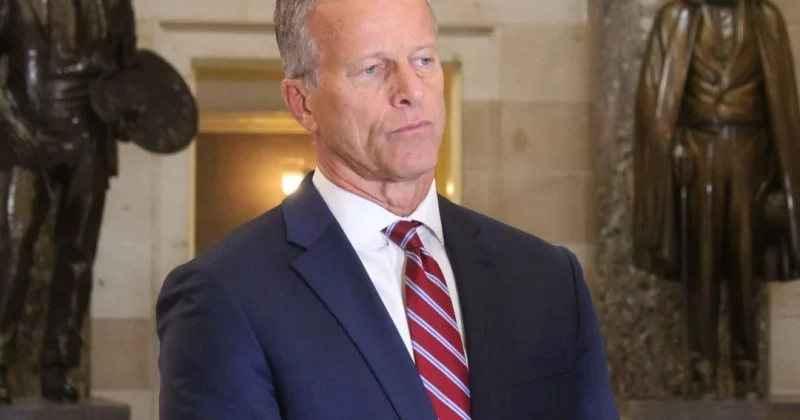
Olli Rehn, a member of the European Central Bank’s Governing Council, said he sees “few signs yet” that high inflation is becoming embedded across the eurozone. The statement lands at an interesting moment: inflation held steady at 3% in April, growth is decelerating, and the ECB is staring down what Rehn himself described as the bank’s “adverse scenario.”
What Rehn actually said
Rehn, who also serves as Governor of the Bank of Finland, framed his comments carefully. The 3% April inflation reading, he noted, was driven primarily by fuel price increases tied to ongoing geopolitical tensions rather than broad-based price pressures working their way into wages and business costs.
Rehn’s assessment is that the eurozone isn’t there yet. Fuel costs are spiking because of geopolitical instability, not because inflation expectations have become unanchored in the minds of consumers and businesses.
He also acknowledged that any future interest rate hikes from the ECB would be aimed at preserving the credibility of the bank’s policy framework. Not as a response to runaway inflation, but as a signal to markets that the ECB takes its mandate seriously.
The adverse scenario comes into focus
Rehn’s comments align with warnings previously issued by other ECB officials about a particularly uncomfortable economic trajectory: slower growth paired with stubbornly higher prices.
With inflation confirmed at 3% for April, prices are still running well above the ECB’s 2% target. But the composition of that inflation tells a nuanced story. Strip out volatile energy prices, and the underlying picture looks less alarming, which is precisely why Rehn chose to characterize the situation as lacking signs of entrenchment.
What this means for crypto and broader markets
Rehn made zero references to digital assets or crypto markets in his remarks. The ECB’s current deliberations are firmly anchored in traditional macroeconomic indicators: energy prices, wage growth, GDP trajectories, and inflation expectations.
Rehn’s framing—that inflation is externally driven rather than entrenched—points toward a central bank that may be closer to pausing its tightening cycle than extending it. Investors should watch for the next ECB rate decision and any accompanying language about whether the Governing Council’s assessment of inflation entrenchment has shifted.
Disclosure: This article was edited by Editorial Team. For more information on how we create and review content, see our Editorial Policy.






 English (US) ·