
 2 months ago
61
2 months ago
61
- Ethereum’s unstaking queue surged dramatically after a wave of major DeFi hacks shook investor confidence.
- Despite the spike in exits, a much larger amount of ETH is still waiting to enter staking, showing ongoing long-term demand.
- The situation reflects caution rather than collapse, but continued exploits could pressure trust in the ecosystem.
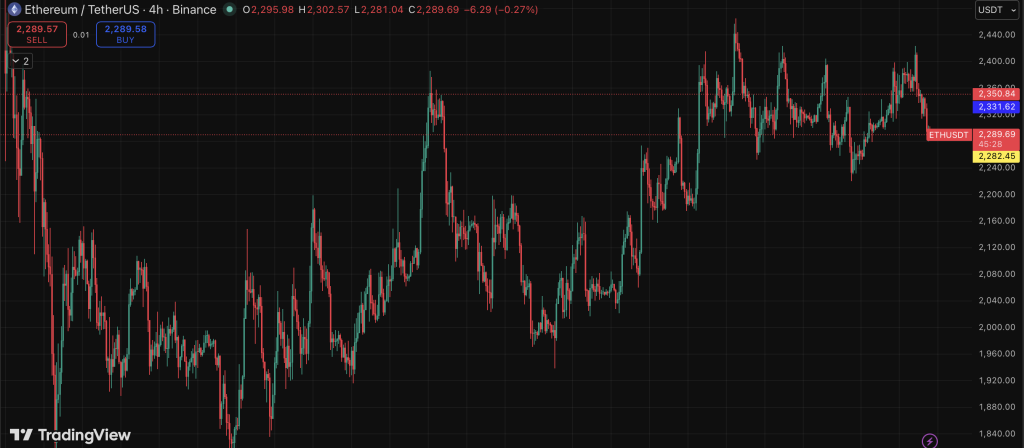
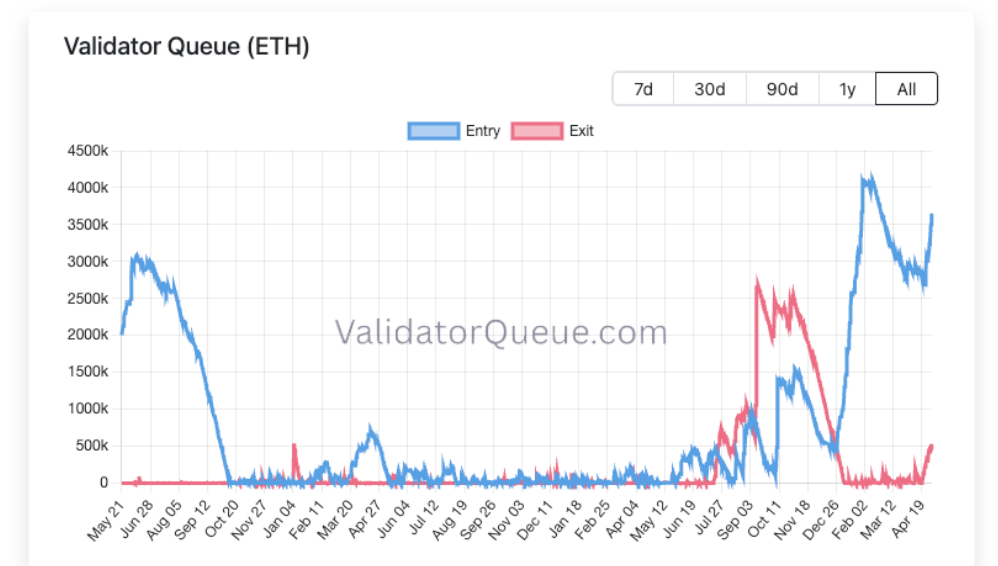
Ethereum saw something… honestly pretty wild in early May. The number of investors lining up to unstake their ETH didn’t just rise, it exploded—jumping by around 72,000% in just a couple of weeks. By May 5, the queue had swollen to more than 350,000 ETH waiting to exit, and while the actual wait time sits at roughly six days, it’s the sheer size of that queue that’s making people pause and wonder what’s really going on.
DeFi Hacks Spark a Sudden Exit Wave
The timing isn’t random. April 2026 turned into one of the worst months ever for DeFi security, with about $625 million lost across roughly 30 separate exploits. That’s not small noise, that’s real damage. A big chunk of that came from the KelpDAO bridge hack, which alone drained close to $292 million, and then… things sort of spiraled from there, with over $10 billion pulled from Aave shortly after.
So naturally, investors reacted. When confidence shakes, people don’t wait around. They pull funds, reduce exposure, and in Ethereum’s case, that often means unstaking. Since staked ETH isn’t instantly liquid, everyone rushing for the exit at the same time causes the queue to balloon. It’s less about panic selling ETH outright, and more about wanting flexibility again… just in case.
Not Everyone Is Running Away
But here’s where it gets a bit more nuanced. Unstaking doesn’t automatically mean people are dumping their holdings. In many cases, it’s just a shift—from locked to liquid. Staking yields, sitting around 2.8% annually, aren’t exactly high enough to convince people to stay locked in during uncertain times, so moving out becomes an easy choice.
And then there’s the other side of the story, which kinda gets overlooked. While the exit queue surged, the entry queue is still massive—around 3.6 million ETH waiting to be staked, with a backlog stretching over 60 days. That’s not what you’d expect if confidence was completely gone. If anything, it suggests there’s still strong long-term belief in Ethereum’s staking model, even if short-term nerves are showing.
A Stress Test, Not a Collapse
So is this a red flag? Maybe partially, but not in the way some might think. The core Ethereum network hasn’t been compromised. The issues are happening in the layers built on top of it—DeFi protocols, bridges, things that carry more risk by nature. Still, repeated exploits do chip away at trust, and that matters over time.
For now, this looks more like a stress reaction than a structural breakdown. If hack activity slows down in the coming months, the exit queue will likely shrink just as quickly as it grew, we’ve seen that kind of pattern before. But if exploits keep piling up at April’s pace… well, then it becomes a bigger conversation entirely.
Disclaimer: BlockNews provides independent reporting on crypto, blockchain, and digital finance. All content is for informational purposes only and does not constitute financial advice. Readers should do their own research before making investment decisions. Some articles may use AI tools to assist in drafting, but every piece is reviewed and edited by our editorial team of experienced crypto writers and analysts before publication.








 English (US) ·