
 3 months ago
76
3 months ago
76
The European Central Bank is gearing up to hike interest rates twice this year, a move that would mark a sharp reversal from the easing trajectory markets had grown comfortable with. A Bloomberg economist survey conducted between May 4-7, 2026, shows the consensus now expects 25 basis point increases in both June and September, lifting the deposit facility rate from 2.00% to 2.50%.
That’s not what most forecasters were calling for just weeks ago. Earlier predictions had penciled in only a single hike for the year. But surging energy prices, driven by ongoing conflict in Iran, have pushed euro-area inflation to an estimated 2.9% to 3%, well above the ECB’s 2% target.
The inflation math changed fast
The ECB held rates steady at its most recent meeting on April 30, 2026. ECB President Christine Lagarde and prominent board member Isabel Schnabel have both signaled that tightening is now the priority. Schnabel has been particularly blunt, warning that waiting for wage pressures to materialize before acting could prove “too late” given the trajectory of energy-driven inflation.
Market pricing reflects this hawkish pivot. There is now a 91% probability assigned to a rate hike at the next ECB meeting on June 11, 2026.
What two hikes mean for financial markets
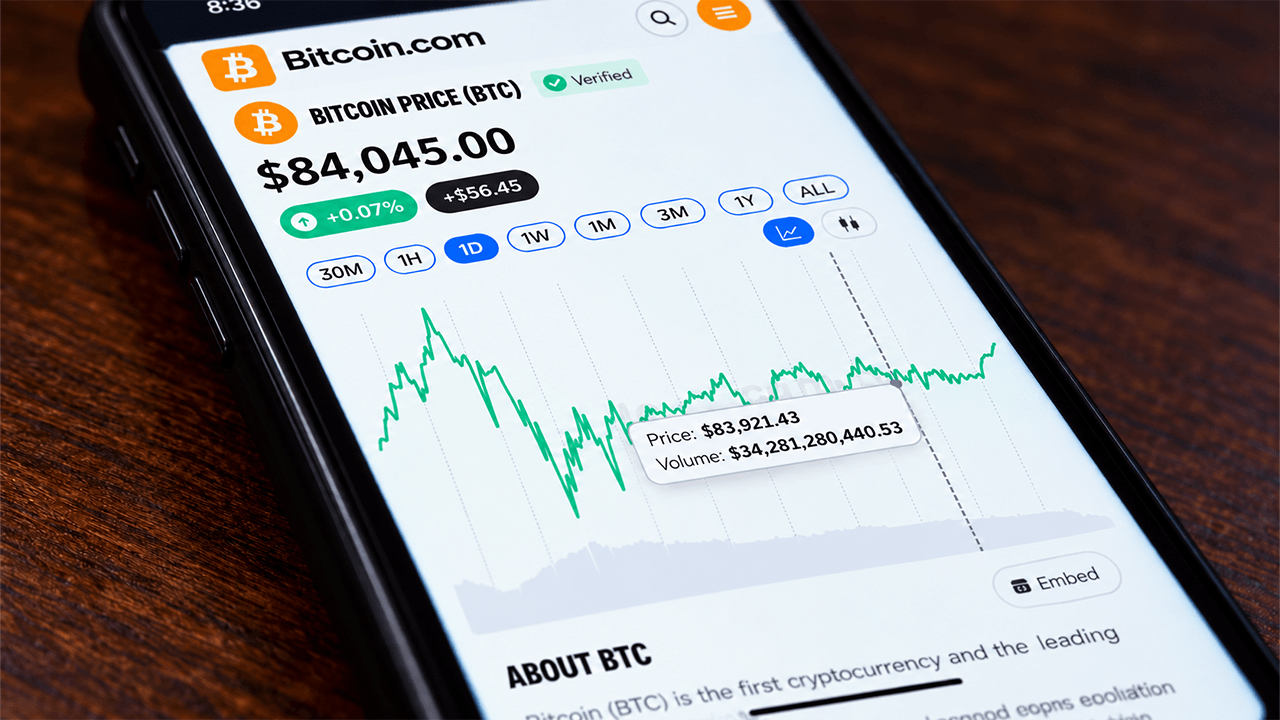
For the crypto market, Bitcoin and other digital assets have historically shown sensitivity to global liquidity conditions. The 2022 crypto winter coincided with aggressive rate hikes by both the Federal Reserve and the ECB.
Bond markets have already begun adjusting. European sovereign yields have moved higher in anticipation of tightening, with the German 10-year bund leading the way.
What investors should actually watch
The June 11 meeting is the obvious focal point, but the real signal will come from the ECB’s updated economic projections and Lagarde’s press conference. If inflation forecasts are revised upward for 2027, markets will start pricing in the possibility that 2.50% isn’t the terminal rate.
Policymakers have committed to a data-dependent approach, refraining from committing to a specific path forward while recognizing that further tightening may be necessary to prevent future inflationary pressures from becoming entrenched.
Disclosure: This article was edited by Editorial Team. For more information on how we create and review content, see our Editorial Policy.








 English (US) ·