
 7 hours ago
29
7 hours ago
29
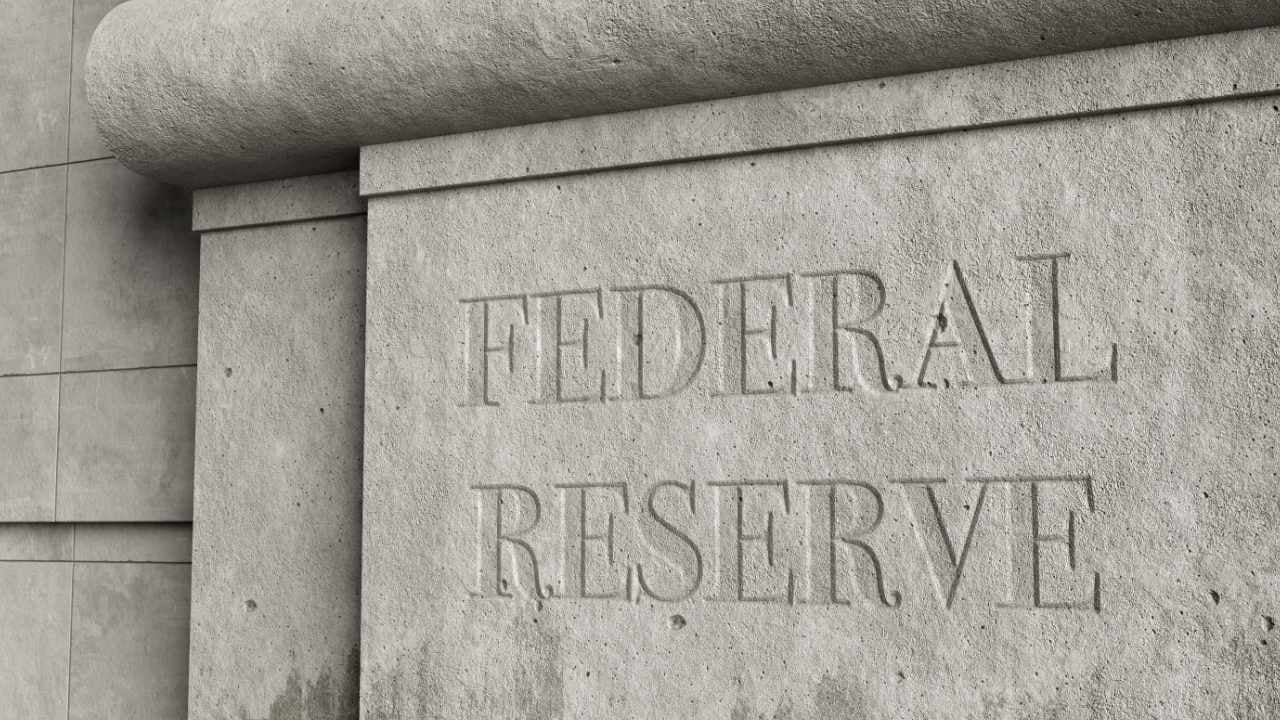
Reports from The Wall Street Journal and Bloomberg reveal that Trump has been in frequent phone contact with Federal Reserve Chair Kevin Warsh since Warsh took office on May 22, 2026. The conversations have covered topics ranging from the economic fallout of the Iran conflict to developments in artificial intelligence, painting a picture of a president who treats the Fed chair less like an independent steward of monetary policy and more like a member of his economic advisory team.
The calls reportedly arrive in bursts, clustering around specific policy concerns or economic developments. Trump himself seemed aware of the optics when Warsh was sworn in as the 17th Fed chair. During the ceremony, the president emphasized Warsh’s “total independence.”
Trump nominated Warsh on March 4, 2026, after years of publicly clashing with former chair Jerome Powell over interest rate decisions. Trump had repeatedly called for lower rates during Powell’s tenure and once claimed he should be considered a “smart voice” in rate-setting discussions. The nomination of Warsh, a former Fed governor with deep ties to Republican economic circles, was widely interpreted as Trump installing someone more receptive to his worldview at the helm of monetary policy.
To his credit, Warsh has not been silent on the independence question. In public statements on July 1 and July 15, the Fed chair reaffirmed the central bank’s commitment to independence and its focus on achieving a stable 2% inflation rate. During his Senate confirmation hearings, Warsh struck similar notes, positioning himself as an institutionalist who would resist political interference.
The specific topics of conversation add another layer of concern. Discussing the economic impact of the Iran conflict, for instance, blurs the line between geopolitical briefings and attempts to shape the Fed’s assessment of risks to the economy. AI policy discussions raise similar questions about whether the president is seeking input or providing direction.
Trump’s history with Powell shows he’s willing to escalate from conversation to public pressure campaigns. The question is whether Warsh, who owes his position to Trump’s nomination, would push back as forcefully as Powell did when those conversations shift from friendly to directive.
Disclosure: This article was edited by Editorial Team. For more information on how we create and review content, see our Editorial Policy.


 English (US) ·