
 1 hour ago
16
1 hour ago
16
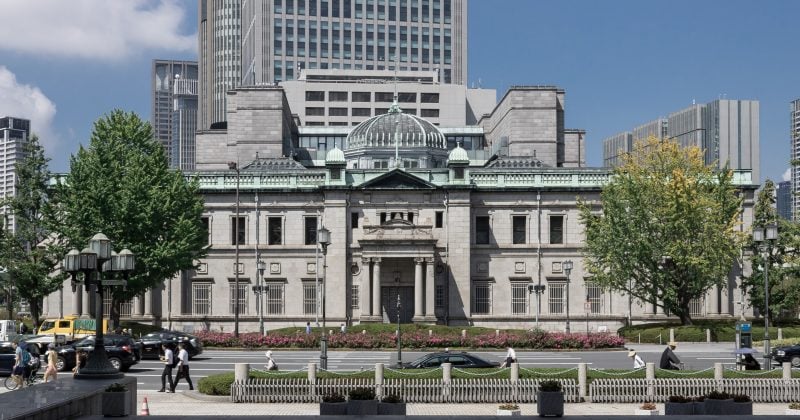
Sometimes the loudest move is standing still. On July 29, 2026, Federal Reserve Chair Kevin Warsh oversaw an FOMC meeting that kept the federal funds rate parked at 3.5% to 3.75%, a decision that, on paper, changes nothing. In practice, it may have tightened financial conditions more than an actual rate hike would have.
The vote was 9-3 to hold, meaning three members wanted to move rates higher. Warsh, who has occupied the chair since May 22, 2026, made a point of rejecting the word “pause” entirely. He called it a “rigorous review” of economic conditions, a rhetorical choice that tells you everything about where his head is at.
The paradox of a hawkish hold
The immediate reaction was predictable in one direction and surprising in another. Near-term rate hike probabilities actually fell after the meeting, suggesting traders believe Warsh isn’t pulling the trigger just yet. But long-term Treasury yields climbed, which is the part that matters for the real economy.
Short-term rates are what the Fed directly controls, but long-term yields are what actually determine the cost of mortgages, corporate borrowing, and capital investment. When those rise because the market believes inflation will persist and the Fed will eventually need to act more aggressively, the economy tightens itself.
What Warsh’s rhetoric signals about the road ahead
Warsh has been on the job for roughly two months, and his communication style is already markedly different from his predecessors. The refusal to call a rate hold a “pause” is deliberate. Pauses imply a temporary stop along a path of cuts. A “rigorous review” implies the committee is actively reassessing whether rates need to go higher.
The three dissenting votes pushing for a hike reinforce this hawkish tilt. A unified hold would suggest the committee is comfortable. A split decision with dissenters wanting higher rates suggests the bar for actually raising them isn’t as high as some hoped.
Warsh’s early July comment that “prices are too high” was unusually blunt for a Fed chair. Central bankers typically speak in carefully hedged language designed to avoid moving markets.
What this means for crypto and risk assets
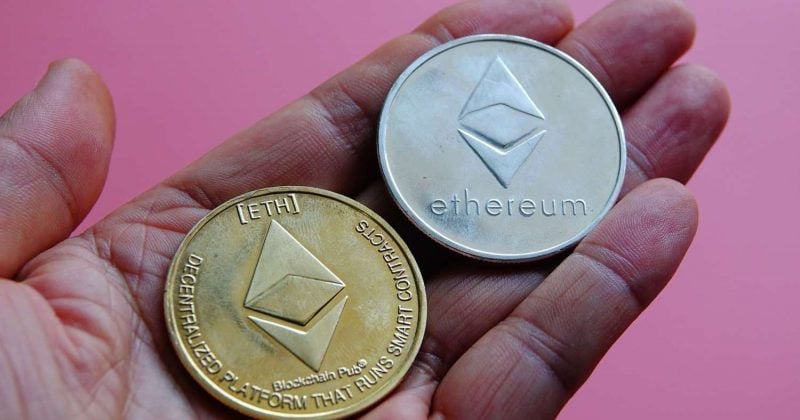
There were no mentions of crypto, stablecoins, or digital assets during the FOMC proceedings. But the absence of direct commentary doesn’t mean crypto is insulated from the decision.
Bitcoin and the broader crypto market have historically shown sensitivity to real interest rate expectations. When long-term yields rise because of persistent inflation fears, the opportunity cost of holding non-yielding assets like Bitcoin increases. Treasuries offering attractive risk-free returns become a gravitational force pulling capital away from speculative positions.
The “higher for longer” framework weighed on crypto throughout much of 2023 and 2024, and it appears to be making a comeback under new management. For crypto traders specifically, the key metric to watch isn’t the federal funds rate itself. It’s the 10-year Treasury yield.
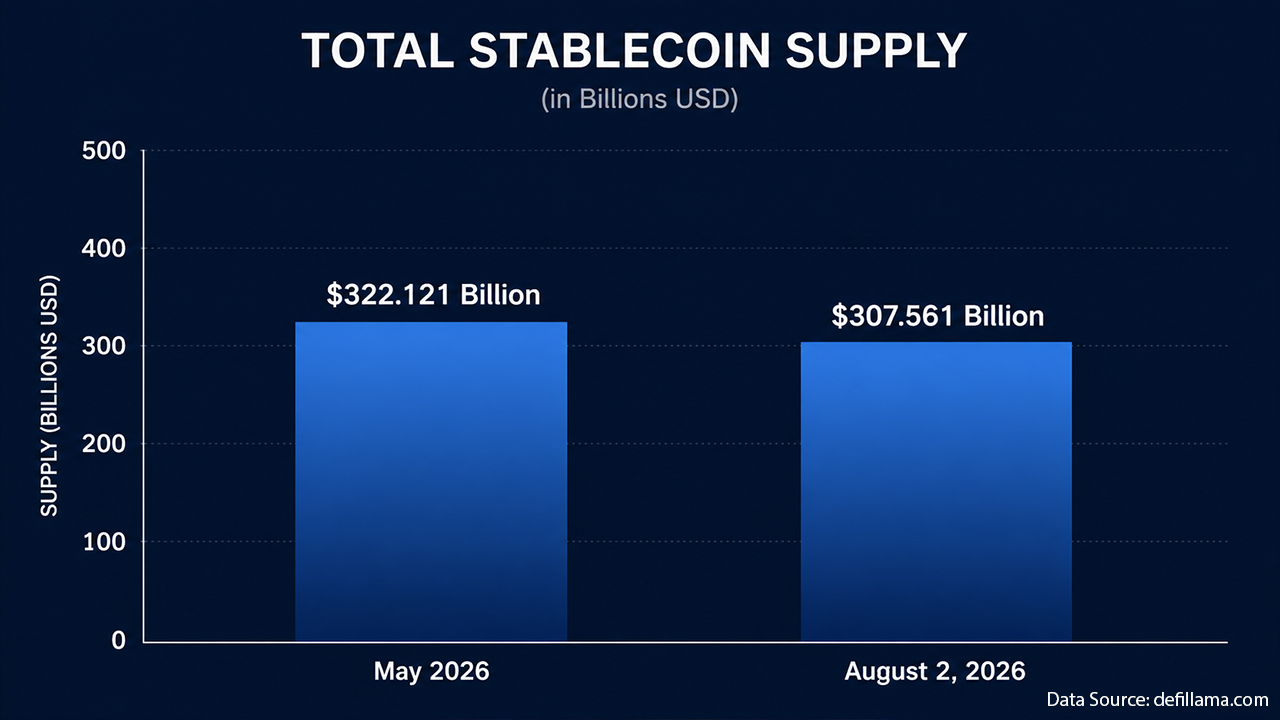
Stablecoin yields and DeFi lending rates may also feel downstream pressure. When traditional finance offers higher risk-free returns, the yield advantage that drew capital into on-chain lending protocols narrows.
Disclosure: This article was edited by Editorial Team. For more information on how we create and review content, see our Editorial Policy.




 English (US) ·