
 2 hours ago
22
2 hours ago
22
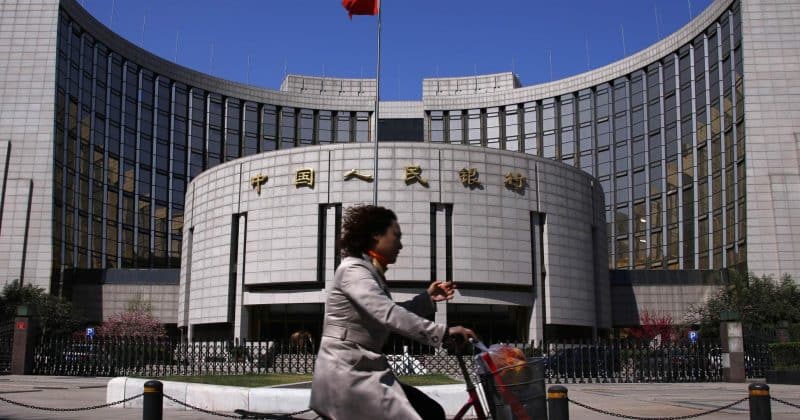
The US money supply has grown by roughly $6.4 to $7.1 trillion since March 2020, and the Federal Reserve’s balance sheet peaked at nearly $9 trillion in May 2022.
Under Jerome Powell’s leadership, which began in February 2018, the Fed deployed aggressive liquidity measures during COVID-19. The side effect was an inflationary wave that reshaped how investors, policymakers, and crypto advocates think about money itself.
The numbers behind the expansion
M2, the broadest commonly cited measure of money circulating in the US economy, hit a record above $22.6 trillion by February 2026. By April 2026, that figure climbed further to $22.8 trillion.
The Fed’s balance sheet has come down from that $9 trillion peak. Quantitative tightening brought the balance sheet to approximately $6.7 trillion by mid-2026.
But the M2 money supply tells a different story. Despite the Fed shrinking its own holdings, the total amount of dollars in the economy has continued to climb. Government spending and borrowing have continued to pump liquidity into the system even as the central bank attempts to pull back.
Why the expansion happened and why it stuck
The bulk of this monetary expansion occurred during the 2020 to 2022 period. When COVID-19 shut down large portions of the global economy, the Fed responded with massive asset purchases, near-zero interest rates, and a suite of emergency lending facilities. Congress, meanwhile, passed trillions in fiscal stimulus.
Powell’s Fed eventually pivoted to rate hikes and balance sheet reduction. But the June 2026 FOMC statement maintained the federal funds rate target at 3.5% to 3.75%, with no immediate plans for further balance sheet reduction.
What this means for crypto and traditional investors
In crypto circles, the Fed’s liquidity expansion has become a central narrative. Bitcoin, in particular, is frequently framed as a hedge against fiat currency devaluation and inflation. Bitcoin’s fixed supply of 21 million becomes more attractive when the supply of the currency it’s priced in keeps expanding.
Investors watching this space should pay close attention to the gap between the Fed’s balance sheet trajectory and M2 growth. When those two lines diverge, as they have been, it signals that forces outside the Fed’s direct control are driving money creation.
Disclosure: This article was edited by Editorial Team. For more information on how we create and review content, see our Editorial Policy.







 English (US) ·