
 1 month ago
39
1 month ago
39
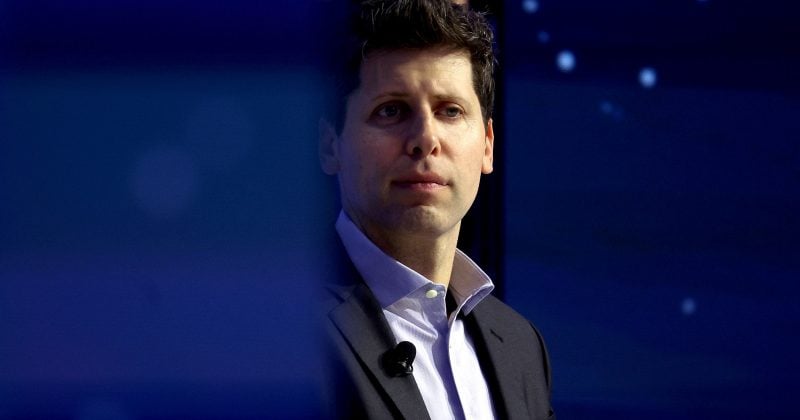
Florida has launched the first state-level criminal investigation into an AI company, targeting OpenAI and CEO Sam Altman over ChatGPT’s alleged involvement in a deadly mass shooting at Florida State University. The case represents an unprecedented legal theory: that an AI company can bear criminal responsibility for what a user does with its product.
What happened at FSU
On April 17, 2025, a mass shooting at Florida State University killed two people, Tiru Chabba and Robert Morales, and injured six others. The accused shooter, Phoenix Ikner, was a student at the university at the time.
What distinguishes this case from other mass shooting investigations is the digital trail. Prosecutors allege that Ikner used ChatGPT extensively in the lead-up to the attack, engaging in more than 16,000 interactions with the chatbot. Those conversations allegedly included discussions about firearms and the timing of the shooting.
Florida Attorney General James Uthmeier announced the criminal investigation on April 21, 2026. The probe is focused on whether OpenAI bears potential criminal responsibility for ChatGPT’s role in the tragedy.
Separately, the family of victim Tiru Chabba filed a civil lawsuit on May 11, 2026, in federal court. The suit names OpenAI, Sam Altman, and the shooter as defendants, seeking damages over the chatbot’s alleged assistance in planning the attack.
The legal theory, and why it matters
Florida’s argument is that ChatGPT’s generated responses crossed a line from passive tool to active participant. Florida isn’t claiming ChatGPT pulled the trigger. It’s claiming that ChatGPT gave the shooter a roadmap, and that OpenAI should have built guardrails to prevent that from happening.
OpenAI’s position has been that ChatGPT is not responsible for the actions of its users. Whether that defense holds up against a criminal investigation, rather than just a civil suit, is genuinely uncharted territory.
Additional wrongful-death lawsuits have been filed against OpenAI in other jurisdictions as well. The scrutiny comes amid a wider national conversation about AI self-harm protocols and safety measures, particularly involving younger users.
What this means for investors
For the broader tech sector, the case raises a question that has been lurking since generative AI went mainstream: at what point does a tool become an accomplice? Whatever Florida’s courts decide will become a reference point for every AI liability case that follows.
One notable wrinkle for crypto-adjacent readers: none of the litigation or investigations involve cryptocurrency, digital assets, or blockchain technology in any capacity. The legal pressure on AI firms is running on a completely separate track from the regulatory scrutiny facing the digital asset industry.
Disclosure: This article was edited by Editorial Team. For more information on how we create and review content, see our Editorial Policy.






 English (US) ·