
 1 month ago
24
1 month ago
24
The G7 summit in Évian-les-Bains, France, has produced what might be the most consequential geopolitical development of 2026: a formal peace framework between the US and Iran that includes the reopening of the Strait of Hormuz, the narrow waterway through which roughly a fifth of the world’s oil supply flows.
The formal signing of the memorandum of understanding is scheduled for June 19, 2026, in Geneva. The Strait is already partially open as of this week, with limited shipping traffic resuming while the full reopening is coordinated alongside the ceremony.
What the deal actually includes
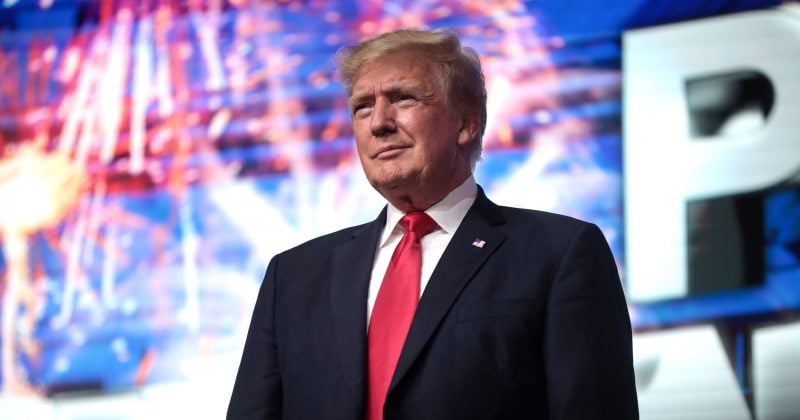
President Donald Trump introduced the framework agreement over the weekend at the summit, with Vice President JD Vance later confirming the details and announcing the Geneva signing date.
The core components are straightforward: a 60-day ceasefire window for further nuclear negotiations, the lifting of the US naval blockade, and explicit assurances from Iran that it will not pursue nuclear weapon development.
Iran’s Supreme National Security Council has already finalized the memorandum of understanding. French President Emmanuel Macron and other G7 leaders have commended the progress, with discussions at the summit turning to logistics like mine clearance and maritime security in the Gulf.
The agreement effectively closes out a four-month stretch of conflict that disrupted Gulf oil supplies. G7 members, including leaders from the US, France, UK, Germany, Canada, Italy, and Japan, along with EU representatives and Middle Eastern invitees, have been working through the logistical framework needed to make the reopening safe and sustainable.
The crypto angle hiding in the margins
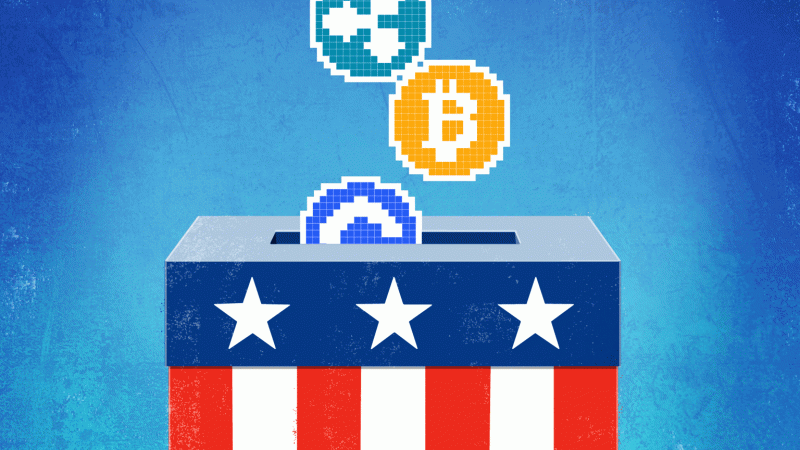
Buried in earlier rounds of negotiation was a detail that caught the digital finance world’s attention: Iran had reportedly demanded that transit fees for the Strait of Hormuz be payable in digital assets.
If any form of digital asset payment mechanism makes it into the operational framework for Strait transit fees, it would create consistent, institutional-grade demand for whichever tokens are accepted, likely stablecoins like Tether given the need for price predictability in trade settlement. It would also establish a precedent that other nations under sanctions pressure could follow.
The signing on June 19 will clarify whether digital asset provisions survived negotiations. The 60-day ceasefire window will test whether stability holds long enough for institutional players to commit capital to regional digital finance infrastructure.
Disclosure: This article was edited by Editorial Team. For more information on how we create and review content, see our Editorial Policy.





 English (US) ·