
 6 months ago
87
6 months ago
87
- Hoskinson says Trump-era crypto policy damaged bipartisan reform efforts
- Trump Coin’s launch shifted crypto into a political liability
- Regulatory clarity may now be delayed until 2029
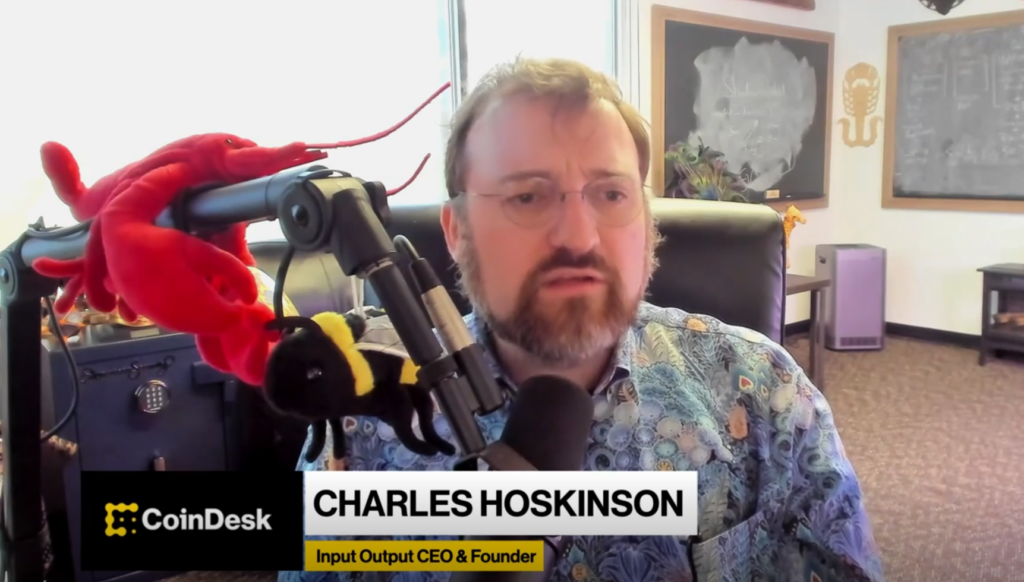
Cardano founder Charles Hoskinson believes the U.S. crypto industry is in a weaker position under President Donald Trump than it was under former President Joe Biden. In a wide-ranging interview, Hoskinson argued that what began as optimism after Trump’s 2024 election quickly deteriorated into confusion, reputational damage, and stalled regulation. According to him, the administration squandered a rare moment when bipartisan crypto reform was actually within reach.

How the Trump Coin Changed the Trajectory
Hoskinson pointed to the launch of Trump Coin ahead of the 2025 inauguration as the turning point. In his view, that single move reframed crypto from a policy discussion into a political liability. Instead of signaling thoughtful engagement, the memecoin rollout made crypto look extractive and self-serving at the highest level of government. The result was predictable. Trump Coin later lost more than 80% of its value, retail investors were burned, and a wave of low-quality memecoins followed, ending in a broad collapse of the subsector.
Hoskinson argues that this episode alienated Democrats at exactly the wrong moment. Without the memecoin launches, he believes Congress could have passed both the GENIUS Act and the Clarity Act in early 2025, when crypto regulation still had genuine bipartisan momentum. Once Trump-branded tokens entered the picture, that window slammed shut.
A Missed Chance for Bipartisan Regulation
According to Hoskinson, crypto legislation didn’t stall because of technical disagreements, but because perception shifted. Crypto became associated with Trump personally rather than framed as neutral financial infrastructure. That made it politically toxic for half the country. In his words, you can’t alienate one side and then expect cooperation. Since then, crypto has become a wedge issue, with market structure bills stuck in limbo despite prior progress in the House.
Leadership, or the Lack of It
Hoskinson was especially critical of the administration’s internal approach. He described a chaotic environment with no clear advisory structure, no consistent philosophy, and no coordinated engagement with industry leaders. Invitations extended and withdrawn, surprise announcements, and a lack of communication left projects exposed politically without any say in the process. He cited Cardano’s ADA being named as part of a crypto reserve without prior contact as an example, creating legal and reputational risk for teams who had no involvement.
He also criticized the appointment of David Sacks as crypto czar, arguing that without meaningful results, leadership should be held accountable. From Hoskinson’s perspective, the administration created a predatory free-for-all instead of a disciplined regulatory process.
A Longer Road to Clarity
Other industry voices see the delay differently. CoinFund president Chris Perkins argued that slower progress may actually be healthier in a post-Chevron legal landscape, where vague laws can no longer be safely interpreted by regulators. Still, even Perkins acknowledged the complexity of the moment. Hoskinson remains unconvinced, warning that the opportunity for real clarity may not return until 2029.
In the end, Hoskinson’s criticism isn’t just about memecoins or missed bills. It’s about credibility. He believes the administration’s approach has left crypto politically weaponized, with no clear path forward and a public narrative that frames the industry as corrupt rather than innovative.
Disclaimer: BlockNews provides independent reporting on crypto, blockchain, and digital finance. All content is for informational purposes only and does not constitute financial advice. Readers should do their own research before making investment decisions. Some articles may use AI tools to assist in drafting, but every piece is reviewed and edited by our editorial team of experienced crypto writers and analysts before publication.






 English (US) ·