
 1 hour ago
7
1 hour ago
7
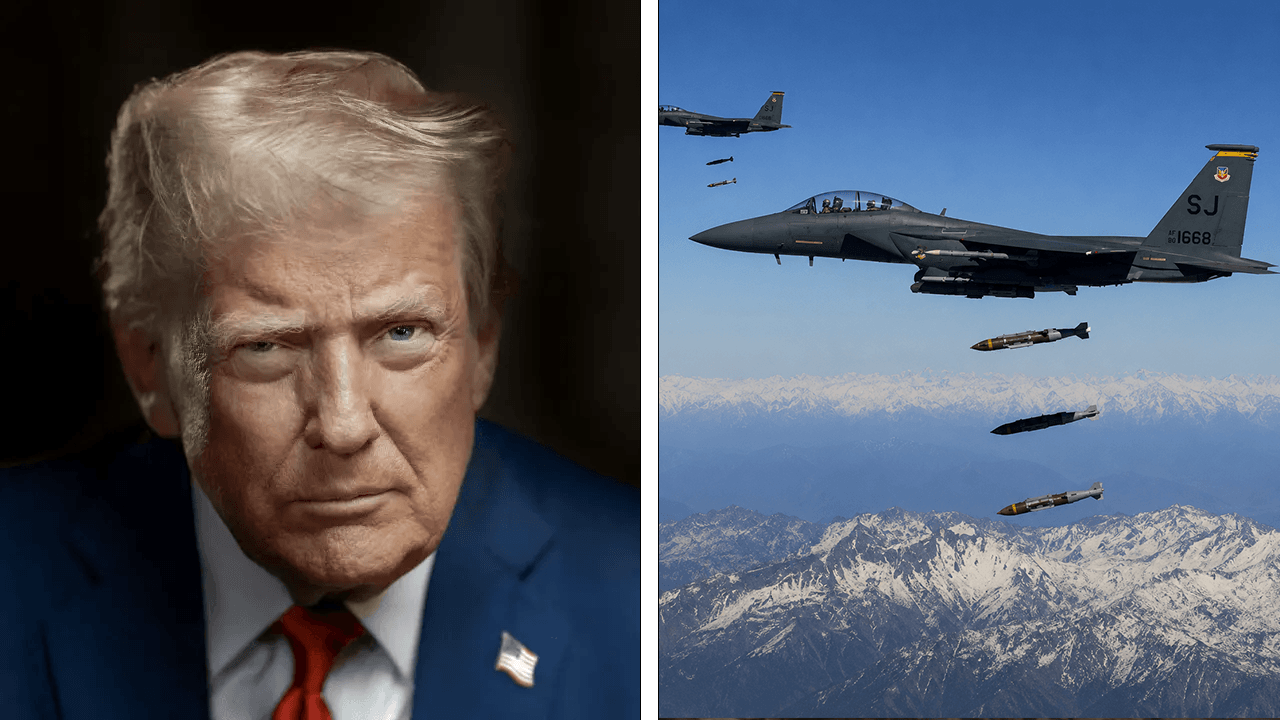
The U.S. House of Representatives has once more challenged President Donald Trump’s approach to Iran, passing a resolution aimed at curtailing his war powers. The decision, supported by a bipartisan group including four Republicans who joined Democrats, directs President Trump to cease military actions against Iran unless congressional approval is obtained. This legislative move comes amid ongoing tensions between the U.S. and Iran following unauthorized military actions that began earlier in the year. While the resolution carries symbolic weight, its practical impact hinges on further congressional support to withstand a potential presidential veto.
The market for a potential US-Iran deal in 2026 has reacted to these developments. The focus has been on whether reconstruction funding and nuclear agreements will be included in any deal. Current pricing suggests a decrease in optimism for a comprehensive agreement, with the probability of certain terms being included in a deal seeing a decline. This legislative action suggests a potential shift in U.S. foreign policy stance, which could affect the ongoing ceasefire and negotiations.
In recent activity, the likelihood of specific terms being included in a 2026 US-Iran deal has fluctuated. Notably, the market for Iran Reconstruction Funding has seen a decrease from 30% to 28.5% YES over the past 24 hours. Similarly, the probability of a uranium enrichment cap being part of the deal has adjusted, reflecting the broader uncertainty surrounding future negotiations.
Key Takeaways
- The House resolution appears consistent with scenarios where the U.S. reduces military engagement with Iran, impacting deal prospects.
- Market pricing suggests decreased confidence in the inclusion of certain terms in a US-Iran deal by 2026.
- Observers note the resolution may indicate a shift in U.S. policy that could affect ongoing negotiations and market expectations.
What to Watch
Future developments in the U.S. Senate will be crucial, as the resolution requires broader legislative support to overcome a presidential veto. Key actors, including U.S. Chief Negotiator Mike Vance and Iranian Foreign Minister Javad Zarif, will play pivotal roles in forthcoming diplomatic engagements. Watch for any shifts in U.S. military posture or diplomatic maneuvers, particularly those involving mediators from Qatar and Pakistan, which could further influence market dynamics.
Get live prediction-market analysis, powered by Vera. Sign up for Vera.
Disclosure: This article was edited by Estefano Gomez. For more information on how we create and review content, see our Editorial Policy.





 English (US) ·