
 1 hour ago
10
1 hour ago
10
Iran and the United States are sending technical teams to Doha, Qatar, to begin implementing a memorandum of understanding that both sides recently agreed upon.
The talks are expected to cover sanctions relief, the release of frozen Iranian assets, and de-escalation measures, particularly around the Strait of Hormuz.
What’s on the table in Doha
The MOU at the center of these discussions addresses several interconnected issues. Chief among them is the release of approximately $6 billion in frozen Iranian assets held in Qatar, a figure that has been a sticking point in US-Iran relations for years.
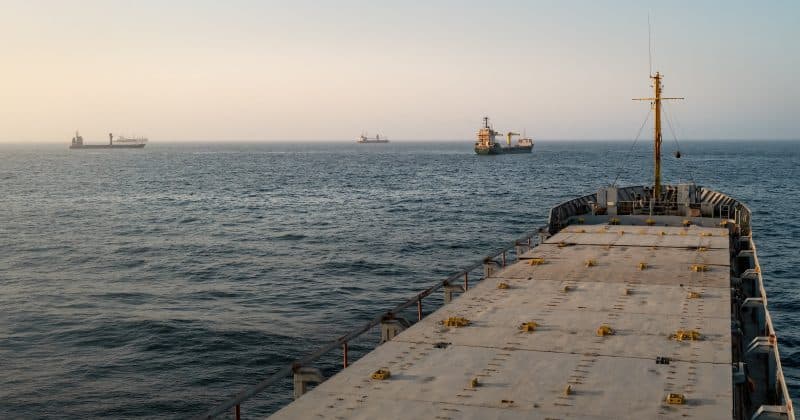
De-escalation around the Strait of Hormuz is the third pillar. Roughly 20% of global oil passes through that narrow waterway, making it one of the most strategically sensitive chokepoints on the planet.
Qatar and Pakistan have both played mediation roles throughout the negotiation process. Qatar’s involvement is particularly notable given Doha’s track record as a neutral venue for high-stakes diplomacy. Pakistan’s facilitation has focused on creating communication channels designed to prevent military escalation.
The diplomatic context
Some Iranian officials have pushed back against immediate confirmations of the meeting, emphasizing that agreed-upon conditions and logistics need to be locked down first.
US President Biden has expressed optimism about the talks, suggesting a commitment to continued dialogue. The scheduled meeting aligns with recent diplomatic moves that have signaled a broader willingness on both sides to at least keep talking.
What this means for crypto investors
No immediate impact on crypto prices has been recorded following this latest Doha announcement.
The sanctions relief angle adds another dimension. Approximately $6 billion in frozen assets reentering the global financial system isn’t a rounding error. While that money isn’t flowing directly into crypto, the secondary effects of sanctions relief on regional trade and capital flows could create conditions that benefit digital asset markets indirectly.
In previous episodes of geopolitical de-escalation, early movers who anticipated positive outcomes saw meaningful returns, while those who waited for confirmation often found themselves buying into already-elevated prices.
Disclosure: This article was edited by Editorial Team. For more information on how we create and review content, see our Editorial Policy.






 English (US) ·