
 1 hour ago
12
1 hour ago
12
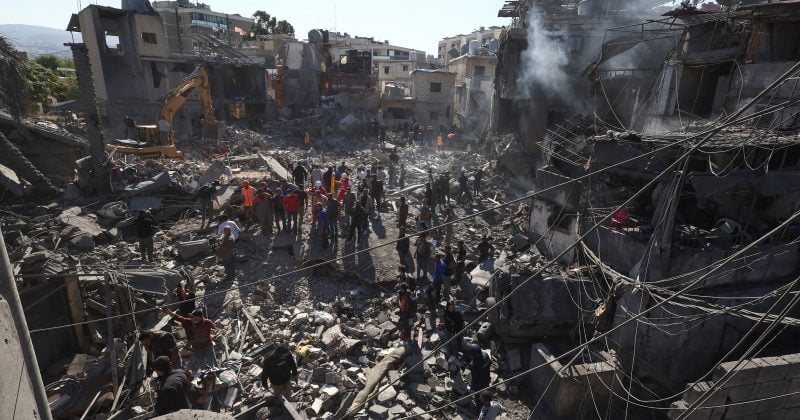
The Iranian Foreign Ministry has described its recent strikes on U.S. bases in the Middle East as lawful acts of self-defense, according to a statement reported by Iran International. The Ministry emphasized that these actions do not indicate an intent for military escalation but rather respond to prior U.S. attacks. This development follows escalated hostilities in the ongoing 2026 Iran war, which reignited after a 60-day ceasefire broke down. The U.S. had launched three rounds of strikes on Iran this week, prompting Iran’s retaliatory actions.
Pricing around the prospect of a U.S. invasion of Iran appears to have been influenced by Iran’s framing of the strikes. The market for whether U.S. forces will enter Iran before 2027 is currently priced at 16.5% for a YES outcome, suggesting a moderate likelihood of invasion, influenced by the recent developments. The Iranian stance of self-defense may decrease the perception of imminent invasion, as it suggests potential de-escalation rather than further military aggression.
The assertion of self-defense under Article 51 of the UN Charter by Iran adds a layer of legal complexity to the situation. Strikes on U.S. bases in countries like Jordan and Qatar, which are not directly involved in the conflict, raise questions about sovereignty and could potentially complicate diplomatic relations, while also impacting market perceptions of the likelihood of an expanded conflict.
Key Takeaways
- Iran’s self-defense claim may decrease perceived likelihood of U.S. invasion, suggesting defensive rather than aggressive actions.
- Market pricing for a U.S. invasion of Iran before 2027 is currently at 16.5% YES, reflecting moderate likelihood amid recent developments.
- Iran’s legal justification under international law complicates the situation, impacting both regional diplomacy and market perceptions.
What to Watch
Observers should monitor any official statements from the Pentagon or U.S. government that might indicate shifts in military strategy or diplomatic engagements. Changes in rhetoric, particularly around troop movements or ceasefire talks, could influence market pricing further. Additionally, any new reports of military actions or strategic developments in the region could alter the current perceived probabilities of a U.S. invasion.
Get live prediction-market analysis, powered by Vera. Sign up for Vera.
Disclosure: This article was edited by Estefano Gomez. For more information on how we create and review content, see our Editorial Policy.



 English (US) ·