
 1 hour ago
12
1 hour ago
12
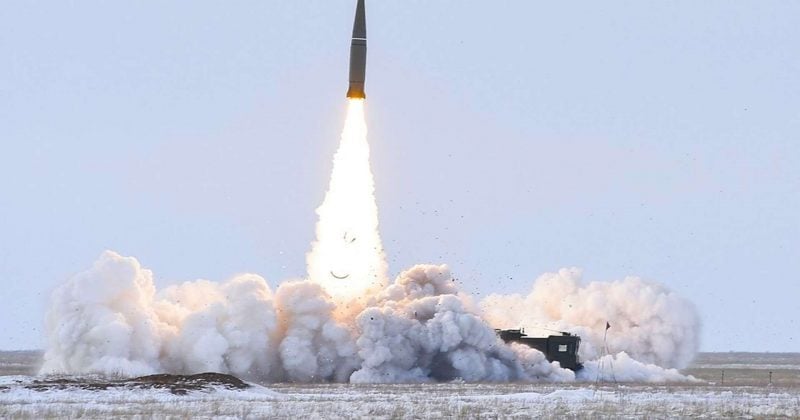
Iranian leadership has declared that maintaining control over the Strait of Hormuz is a critical, nonnegotiable issue, escalating tensions in the already fraught U.S.-Iran conflict. This strategic waterway is crucial for global energy transit, and Iran’s stance underscores its determination to leverage control as a national security priority. The region has been the focal point of recent military confrontations and diplomatic challenges, with both Iran and the United States asserting dominance over the passage. This declaration comes amidst ongoing exchanges between the two nations, raising concerns about the potential for further escalation and its impact on global oil markets.
Key Takeaways
- Iran’s statement appears to reinforce its commitment to controlling the Strait of Hormuz, suggesting continued tensions with the U.S.
- Market pricing suggests a decrease in the likelihood of traffic normalization in the strait by August 31, 2026, with odds currently at 16.5% YES.
- The current geopolitical climate is consistent with increased pressure on global energy transit, affecting market expectations for the strait’s status.
What to Watch
Markets will closely monitor any diplomatic moves or military actions that could alter the status quo in the Strait of Hormuz. Developments such as new negotiations between Iran and international actors, or changes in U.S. military posture, could significantly influence market expectations. Additionally, official announcements from either Iran or the United States regarding the strait could provide critical indicators of potential changes in traffic conditions.
Get live prediction-market analysis, powered by Vera. Sign up for Vera.
Disclosure: This article was edited by Estefano Gomez. For more information on how we create and review content, see our Editorial Policy.




 English (US) ·