
 21 hours ago
36
21 hours ago
36
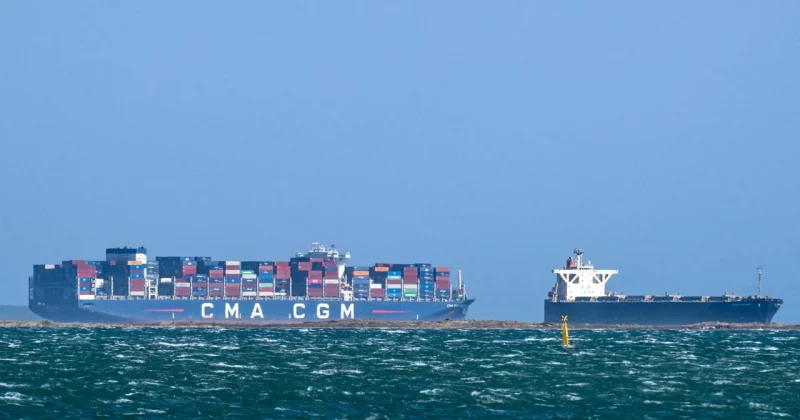
Iran is turning its most powerful geographic asset into a toll booth. The country is formalizing a structured fee system for ships transiting the Strait of Hormuz, the narrow waterway through which a massive share of the world’s oil supply flows every single day.
Iranian parliamentarian Ebrahim Azizi announced on May 16 that the newly established Persian Gulf Strait Authority (PGSA) would soon reveal the detailed mechanics of the toll regime. Ships will need to submit ownership details, insurance coverage, crew manifests, and cargo specifications to the PGSA before receiving a permit for their designated routes. And yes, they’ll need to pay up first.
From shakedowns to spreadsheets
Iran wasn’t exactly letting ships pass for free before this announcement. The Islamic Revolutionary Guard Corps had already been levying ad-hoc charges on vessels since the ceasefire in April 2026, with individual transit fees reportedly reaching as high as $2 million per ship.
The informal toll structure also included charges calibrated to cargo value, often landing around $1 per barrel of oil. What the PGSA framework does is replace those improvised shakedowns with something that looks more like a regulatory system, complete with bureaucratic paperwork and designated payment channels.
Israeli-linked vessels are banned from the strait entirely under this new framework.
Crypto enters the strait
Reports from earlier in 2026 indicated that the IRGC’s informal tolls were being collected in Chinese yuan, which began appearing as a payment currency as early as March 2026. Multiple reports from April 2026 suggest that tolls may also be payable in Bitcoin or stablecoins like USDT, routed through IRGC intermediaries.
The shipping math has changed
The practical impact on maritime traffic is already visible. Daily vessel transits through the Strait of Hormuz, which previously averaged approximately 140, have dropped significantly. Shipping companies are weighing the cost of the tolls against the expense and time of alternative routes, though realistic alternatives for oil tankers leaving the Persian Gulf are extremely limited.
The cost structure, whether it settles closer to the $1-per-barrel model or the $2 million flat fee, will ultimately get passed downstream, adding upward pressure to crude benchmarks that are already sensitive to Middle Eastern instability.
Disclosure: This article was edited by Editorial Team. For more information on how we create and review content, see our Editorial Policy.


 English (US) ·