
 1 hour ago
13
1 hour ago
13
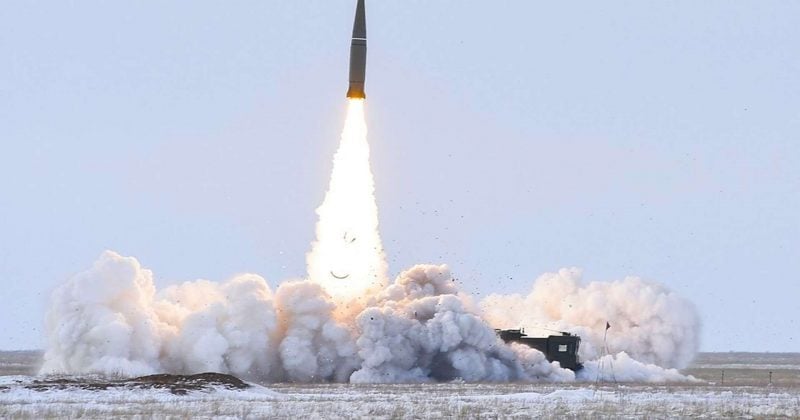
Iran is reportedly portraying discussions over shipping arrangements in the Strait of Hormuz as negotiations with Oman rather than directly with the United States, according to the Institute for the Study of War (ISW). This approach appears aimed at maintaining diplomatic leverage and avoiding the perception of conceding to Washington amid broader US-Iran conflict and ceasefire talks. The Strait of Hormuz, a key maritime channel for global oil traffic, remains a focal point in these discussions, with Iran and Oman reportedly in the final stages of their bilateral talks. The strategic maneuvering comes as tensions remain high, with both nations seeking an agreement that could ultimately influence maritime traffic normalization in the region.
Key Takeaways
- Iran’s framing of the negotiations as bilateral talks with Oman appears to be consistent with efforts to avoid direct engagement with the US while still advancing a maritime deal.
- Market pricing suggests a potential easing of tensions, with the likelihood of Strait of Hormuz traffic normalization by August 31 rising to 16.5%.
- The indication of ongoing diplomatic engagement with Oman could suggest progress towards broader peace talks, with the probability of US-Iran talks by August 31 increasing to 55.5%.
What to Watch
Watch for official announcements from Iran or Oman that could confirm the progress of their bilateral talks. Any joint statements or agreements could be consistent with YES outcomes for traffic normalization and peace talks. Conversely, any military escalations or breakdowns in dialogue might impact pricing and dampen expectations of a diplomatic resolution by the specified dates. The geopolitical climate will remain a critical factor as the August deadlines approach.
Get live prediction-market analysis, powered by Vera. Sign up for Vera.
Disclosure: This article was edited by Estefano Gomez. For more information on how we create and review content, see our Editorial Policy.




 English (US) ·