
 1 hour ago
10
1 hour ago
10
Iran fired missiles and drones at US military installations across Bahrain, Kuwait, and Qatar on July 9, responding to American airstrikes on Iranian provinces. The attack targeted key US assets including Patriot air defense systems and fuel depots, marking a dramatic escalation in a conflict that has been simmering since late February.
What happened and why it’s different this time
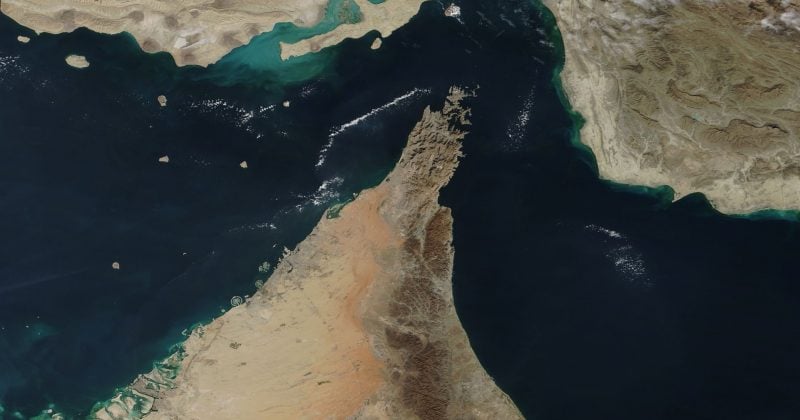
Iran’s Revolutionary Guard launched coordinated strikes against three separate US military positions across the Persian Gulf. Iranian military communications specifically referenced air defense systems in Kuwait and early-warning radar sites in Qatar, suggesting careful intelligence gathering and planning.
This round of attacks follows US airstrikes on Iranian provinces, which themselves were part of a cascading series of military exchanges that have defined 2026’s geopolitical landscape. The conflict traces back to late February 2026, when US-Israeli airstrikes killed Iranian officials, including Supreme Leader Ali Khamenei.
There was actually a ceasefire in place. It lasted roughly three weeks before collapsing. Trump reportedly declared the agreement “over,” and subsequent US military actions provoked the retaliatory strikes we’re now seeing.
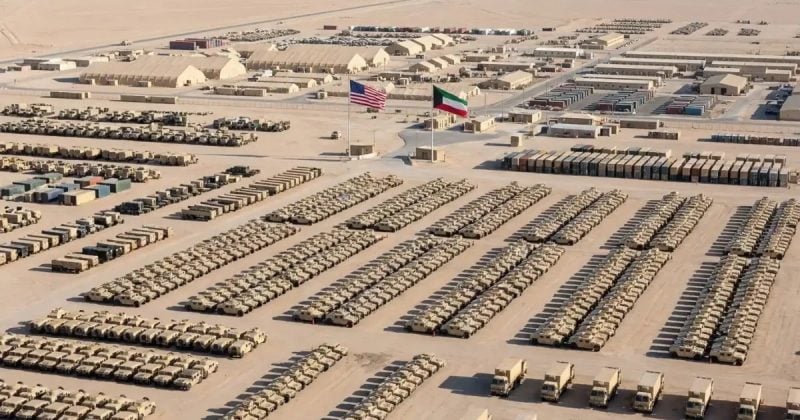
Bahrain hosts the US Navy’s Fifth Fleet. Kuwait and Qatar house major US air bases that serve as logistics hubs for the entire region. Iran hitting all three simultaneously signals a willingness to target the full architecture of American military presence in the Gulf, not just individual outposts.
The crypto and oil market fallout
Bitcoin has experienced notable price drops during prior escalations in the Iran conflict. Following earlier strikes in the conflict, Iranian crypto exchanges reported capital outflows of approximately $10.3 million.
Sanctions, regulation, and the digital asset angle
As US sanctions against Iran tighten in response to military escalation, the use of digital assets by Iranian entities is reportedly increasing. US regulators have historically used sanctions evasion as justification for tighter controls on exchanges, mixers, and cross-border crypto transactions.
Disclosure: This article was edited by Editorial Team. For more information on how we create and review content, see our Editorial Policy.





 English (US) ·