
 1 hour ago
12
1 hour ago
12
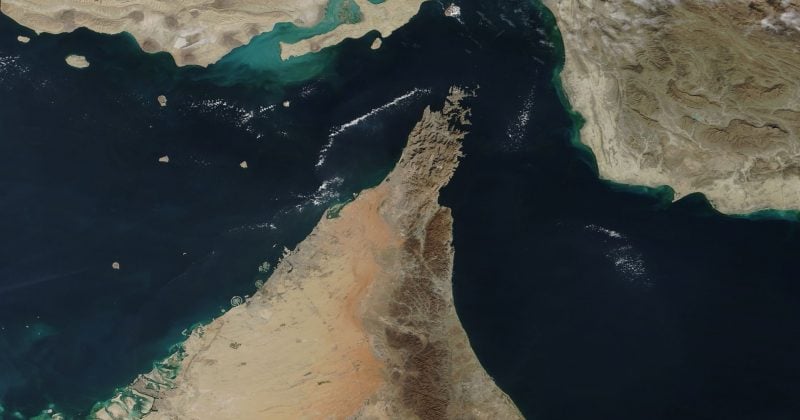
Iran has rejected a United States-backed proposal for a southern corridor in the Strait of Hormuz, according to Iranian lawmaker Hassan Ghashghavi. This development is part of the ongoing 2026 Strait of Hormuz crisis, highlighting the persistent maritime and diplomatic tensions between Iran, the U.S., and Oman. Iran has insisted on maintaining control over navigation routes and has warned against using corridors it does not authorize. The announcement indicates that the standoff over shipping access remains unresolved, with Iran opposing the U.S. and Oman’s efforts to establish an alternative route near Oman’s coast.
Key Takeaways
- Ghashghavi’s statement suggests that Iran is maintaining its firm stance against U.S.-backed proposals, indicating ongoing tensions in the region.
- The current market pricing for the Strait of Hormuz traffic normalization by August 31 reflects a 16.5% likelihood, up from 10% a week ago, suggesting a slight increase in confidence despite the standoff.
- The unresolved nature of the dispute, with Iran rejecting alternative routes, is consistent with scenarios where normal traffic conditions are unlikely to resume soon.
What to Watch
Observers should monitor any diplomatic engagements or shifts in policy from key actors, including Iran’s leadership and U.S. officials, which could influence the resolution of the dispute. Further public statements or military movements by either side may impact market perceptions of the likelihood of traffic normalization. Additionally, updates from live vessel trackers and any UN resolutions could provide critical indicators of changes in the status quo.
Get live prediction-market analysis, powered by Vera. Sign up for Vera.
Disclosure: This article was edited by Estefano Gomez. For more information on how we create and review content, see our Editorial Policy.







 English (US) ·