
 1 hour ago
10
1 hour ago
10
Iran’s military leadership has vowed armed retaliation following the killing of Supreme Leader Ali Khamenei in a coordinated US-Israeli airstrike on February 28, 2026. The strike targeted Khamenei’s compound in Tehran, killing the 86-year-old leader along with several family members and other senior Iranian officials.
The crypto market’s reaction was swift and violent. Bitcoin plunged to approximately $63K in the immediate aftermath before staging a recovery to around $68K. Meanwhile, digital asset outflows from Iranian crypto exchanges surged by up to 700%, reaching roughly $3 million in reported outflows as citizens scrambled to move capital out of the country’s financial ecosystem.
What happened in Tehran
Khamenei had served as Iran’s Supreme Leader since 1989, making him one of the longest-serving heads of state in the Middle East. Iranian authorities confirmed his death on March 1, 2026, one day after the strikes.
The operation also eliminated several other senior Iranian officials, marking what amounts to the most significant escalation in US-Iran tensions in decades.
Iranian President Masoud Pezeshkian described revenge as “a legitimate right” of the state, while military leaders characterized their planned response as an obligation rather than an option.
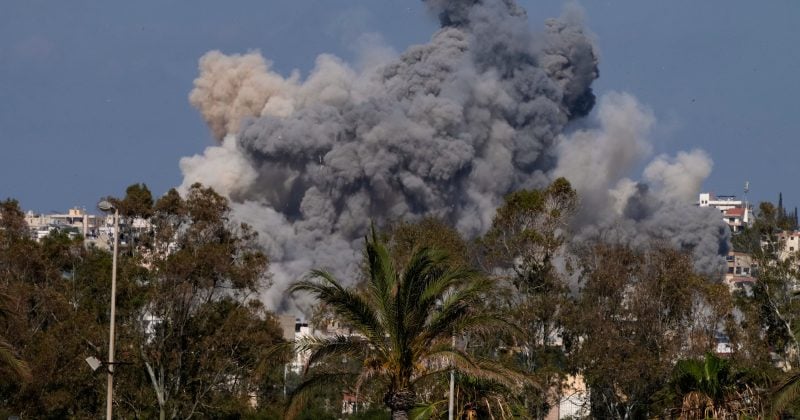
In the weeks and months following the assassination, the region witnessed swift retaliatory actions from Iran and heightened military exchanges. The situation has continued to escalate into July 2026, with renewed strikes keeping the region on a knife’s edge.
How crypto markets absorbed the shock
Bitcoin dropped to $63K before rebounding to roughly $68K, representing an approximately 2.2% rally from pre-strike levels.
The 700% spike in Iranian crypto exchange outflows reached roughly $3 million in reported outflows. Iranians were converting their money into crypto amid fears their banking system and national currency could become casualties of the escalating conflict, particularly given the country’s existing restrictions on digital asset usage.
What this means for investors
The ongoing escalation between the US and Iran, with renewed strikes continuing into July 2026, means this story is far from over. Each new military exchange creates another potential volatility event for crypto markets.
When crypto exchanges become conduits for capital flight during armed conflicts, regulators tend to notice. The Iranian outflow surge could prompt fresh scrutiny from OFAC and other sanctions enforcement bodies, potentially leading to tighter compliance requirements for exchanges operating in or near conflict zones.
Disclosure: This article was edited by Editorial Team. For more information on how we create and review content, see our Editorial Policy.





 English (US) ·