
 18 hours ago
31
18 hours ago
31
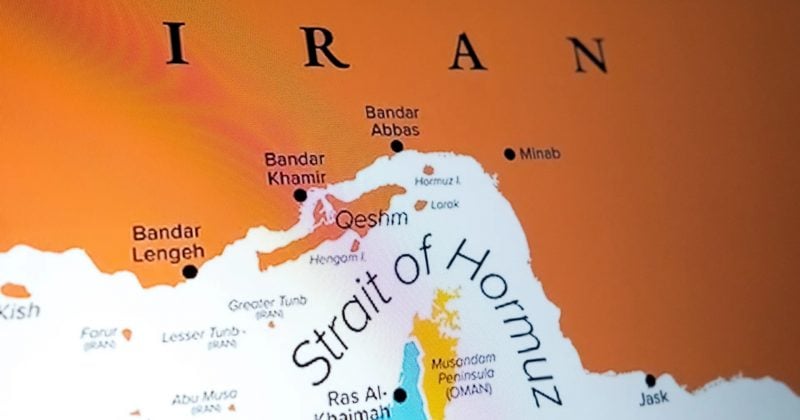
Iran’s Islamic Revolutionary Guard Corps (IRGC) has issued a warning that the Strait of Hormuz cannot be considered secure for oil, gas, and petrochemical shipments while U.S. military operations continue in the region. This statement is part of the ongoing 2026 Strait of Hormuz crisis, a significant phase in the U.S.-Iran conflict that erupted earlier this year following U.S.-Israeli airstrikes on Iranian targets. The IRGC’s declaration reflects heightened tensions, as the U.S. intensifies efforts to neutralize Iranian military assets and reopen the vital waterway, which Iran has kept closed since July 12. Market pricing suggests this development could further delay the normalization of shipping traffic through the strait.
Key Takeaways
- The IRGC’s warning suggests that the Strait of Hormuz remains a high-risk area for shipments, consistent with scenarios where U.S. military activities exacerbate tensions.
- Current market pricing indicates a 13.5% likelihood of traffic normalization by August 31, reflecting participant concerns about continued disruptions.
- The recent rise in YES probability from 10% to 13.5% appears consistent with expectations of potential diplomatic developments, though tensions remain high.
What to Watch
Observers should monitor any diplomatic initiatives or military developments that could impact the situation in the Strait of Hormuz. Key indicators include official announcements from Iran’s leadership regarding the strait’s status and any U.S.-Iran negotiations that could lead to a de-escalation. Additionally, tracking the status of commercial traffic and oil price fluctuations may provide further insights into the probability of the strait reopening by the market’s August 31 deadline.
Get live prediction-market analysis, powered by Vera. Sign up for Vera.
Disclosure: This article was edited by Estefano Gomez. For more information on how we create and review content, see our Editorial Policy.


 English (US) ·