
 1 hour ago
18
1 hour ago
18
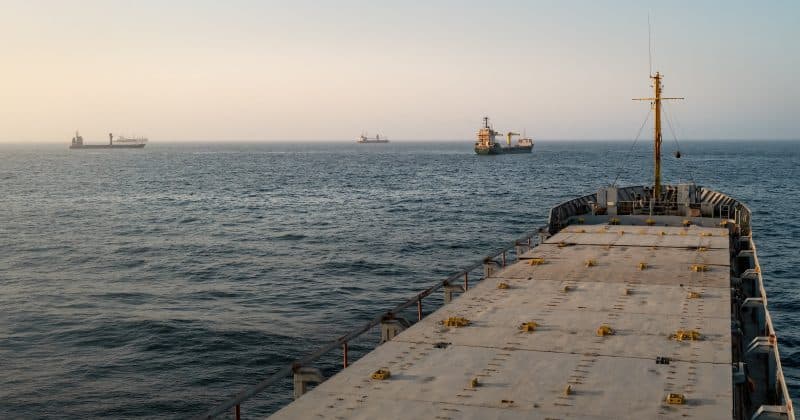
Iraqi crude is flowing through the Persian Gulf again. After months of near-total disruption, oil tankers are transiting the Strait of Hormuz at levels not seen since Iran effectively choked off the waterway in late February.
The resumption follows a US-Iran agreement reached around June 17 that extended a precarious ceasefire by 60 days. In the week of June 15-21, 125 shipping transits were recorded through the strait, the highest weekly figure since the conflict began. For context, Iraqi oil exports had collapsed from roughly 93 million barrels per month before the crisis to approximately 10 million barrels in April 2026. That’s a drop of nearly 90%, and it gutted Iraq’s primary revenue source.
What the deal actually changes
Iraqi Oil Minister Basem Al-Abadi confirmed that the country’s oil fields are prepared for a production ramp-up. The State Oil Marketing Organization, known as SOMO, has begun coordinating tanker nominations for upcoming loadings.
The increase is described as gradual, dependent on passage conditions through the strait. A 60-day ceasefire is not a permanent peace deal.
The market reaction was immediate and predictable. Both Brent and WTI crude dropped sharply from their wartime peaks as traders priced in the expectation of more stable supply from Gulf producers. Wartime premiums that had been baked into oil prices for months began evaporating almost overnight.
The economic damage already done
Iraq’s economy is overwhelmingly dependent on petroleum revenues. When exports cratered to around 10 million barrels in April, from a pre-crisis baseline near 93 million, the fiscal consequences were severe. Government budgets, public sector salaries, and infrastructure projects all depend on oil money in Iraq.
What this means for investors
The sharp decline in oil prices following the agreement points to one clear dynamic: geopolitical risk premiums are deflating.
There’s no evidence of new token activity or crypto-specific developments tied to the Hormuz reopening. Lower oil prices could enhance liquidity in risk assets such as Bitcoin, though the correlation isn’t always clean or immediate.
The key variable is durability. A 60-day ceasefire gives markets a breather, not a resolution. The 125 transits recorded in a single week are encouraging. One provocation in the strait, one breakdown in negotiations, and those tankers stop moving again.
Disclosure: This article was edited by Editorial Team. For more information on how we create and review content, see our Editorial Policy.





 English (US) ·