
 1 hour ago
18
1 hour ago
18
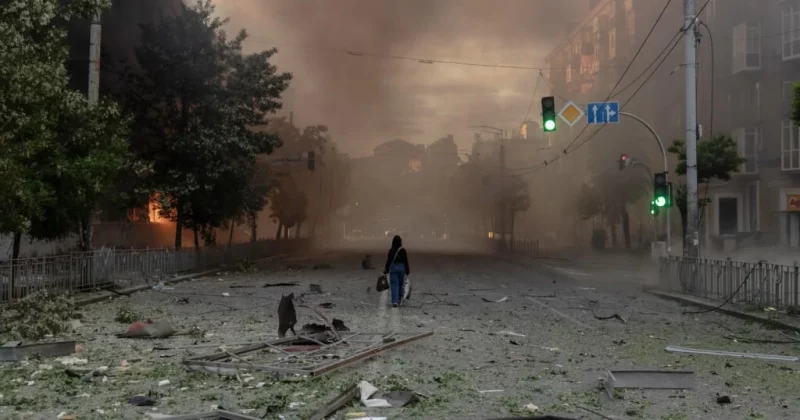
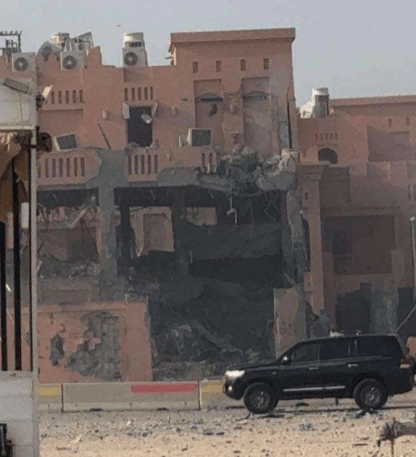
Israel has launched a sweeping military campaign dubbed Operation Arrows of Fire, sending strikes into Beirut’s southern suburbs and triggering mass evacuations across Lebanon. The operation targets Hezbollah infrastructure in Dahiyeh, the densely populated district south of the capital that has long served as the militant group’s stronghold.
The Israeli Defense Forces issued urgent evacuation orders covering not just Beirut’s suburbs but expanding zones across southern Lebanon, initially reaching the Litani River and later pushing north toward the Zahrani River.
What’s happening on the ground
The scale of displacement is staggering. Roughly 800,000 people have been forced from their homes as the conflict has intensified. More than 630 people have been killed and nearly 1,600 injured in Lebanon since the escalation picked up pace in early March.
Hezbollah has not absorbed these strikes passively. The group has fired dozens of rockets into Israeli territory in retaliation.
International human rights organizations have weighed in with sharp criticism. Their concern centers on the adequacy of Israel’s evacuation warnings, which they describe as misleading and insufficient to protect civilian populations.
The broader escalation timeline
Operation Arrows of Fire did not emerge from a vacuum. The current trajectory traces back to October 7, 2023, when Hamas launched its attack on southern Israel. That event set off a chain reaction across the region, with Hezbollah opening a secondary front along the Israel-Lebanon border in what it framed as solidarity with Palestinians in Gaza.
The expansion of evacuation zones from the Litani River to the Zahrani River is particularly significant. The Litani has long served as a de facto boundary in UN peacekeeping frameworks, notably under Security Council Resolution 1701, which ended the 2006 war between Israel and Hezbollah. Pushing operations north of that line signals that Israel views the current threat as extending well beyond the traditional buffer zone.
Disclosure: This article was edited by Editorial Team. For more information on how we create and review content, see our Editorial Policy.






 English (US) ·