
 1 day ago
34
1 day ago
34
Inflation is cooling. The Fed chair is not.
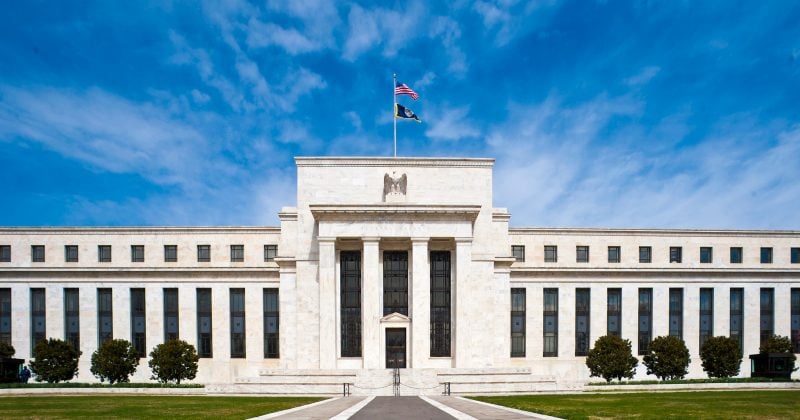
Kevin Warsh, in his first major testimony since taking over the Federal Reserve, made clear that a declining Consumer Price Index doesn’t mean the central bank is ready to ease up. His phrase of choice: “persistently elevated inflation.” Four words that landed like a cold shower on markets expecting rate cuts.
The June CPI data looked genuinely encouraging. Month-over-month inflation fell 0.4%, the steepest single-month decline since April 2020. The annual rate dropped to 3.5%, undershooting forecasts of 3.8% by a meaningful margin.
Instead, Warsh essentially told everyone to pump the brakes on the victory lap.
Half the Fed sees hikes coming
Here’s the thing about Warsh’s hawkish posture: he’s not alone. The June 16-17 FOMC meeting projections revealed that nine out of 18 committee participants expect at least one interest rate increase before the end of 2026. That’s half the committee penciling in hikes during a period of falling inflation.
The new chair has also signaled a stylistic shift in how the Fed communicates. He described the June FOMC release as “shorter and simpler,” deliberately reducing the emphasis on forward guidance. In English: the Fed is going to tell you less about what it plans to do next, which means markets will have to do more guessing.
What this means for crypto and risk assets
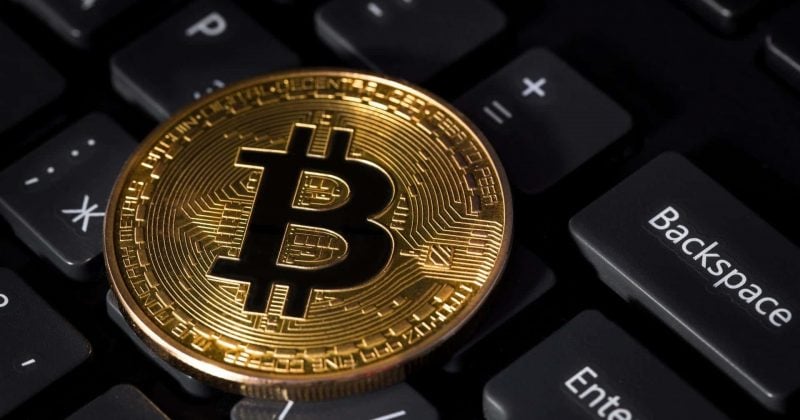
The prospect of rate hikes in a slowing-inflation environment creates a genuinely unusual setup for digital assets. If the Fed raises rates while inflation is declining, the real interest rate (nominal rate minus inflation) goes up even faster than the headline number suggests. That makes Treasury yields more attractive relative to non-yielding assets like Bitcoin.
A hawkish Fed under Warsh could strengthen the US dollar, which typically creates headwinds for crypto prices. When the dollar index rises, Bitcoin tends to face selling pressure as global investors rotate into dollar-denominated safe havens.
The macro puzzle for the second half of 2026
The tension between falling inflation and potential rate hikes points to a Fed that’s prioritizing credibility over short-term market comfort. Warsh is essentially saying that 3.5% annual inflation, while moving in the right direction, is still well above the Fed’s 2% target.
For digital asset traders, the playbook here is watching real yields and the dollar index more closely than the CPI headline number. If Warsh follows through on the hawkish rhetoric and the Fed actually delivers a rate hike in the second half of 2026, the repricing across risk assets could be significant. Nine of 18 FOMC members already see it coming.
The 0.4% monthly CPI decline gives the Fed room to argue it’s making progress without backing off. That’s the most dangerous scenario for risk assets: a central bank that has improving data but still chooses to tighten.
Disclosure: This article was edited by Editorial Team. For more information on how we create and review content, see our Editorial Policy.

 English (US) ·